Budapest’s New 56-Metre CAF Tram Arrives: A More Comfortable Ride on Tram 1
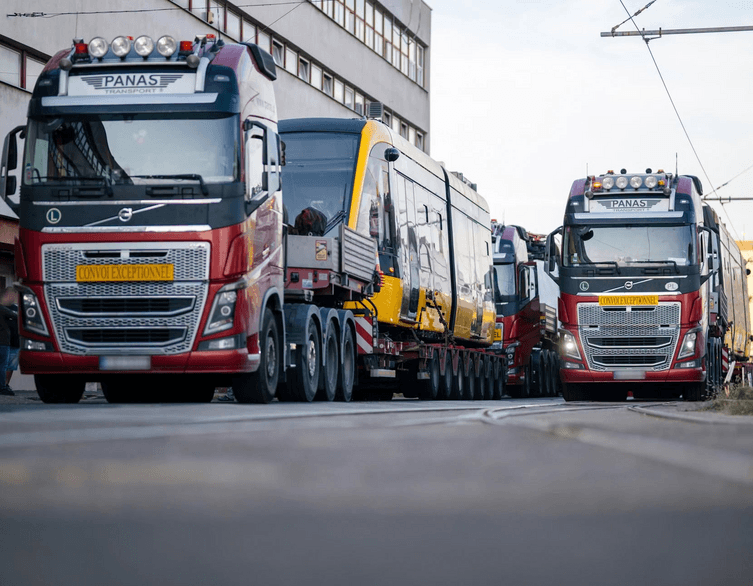
Budapest’s tram fleet has just welcomed a very long new arrival. On 8 October 2026, the city announced the arrival of its first new-generation, nearly 56-metre CAF tram, built and assembled in Spain. With room for 345 passengers, air conditioning and a fully low-floor interior, it promises a more comfortable way to get around the Hungarian capital. It is the first of five new long CAF trams destined for Tram 1, joining a route that already uses earlier versions of these spacious vehicles.
There is one important detail for visitors hoping to catch a ride: arriving in Budapest is not the same as entering passenger service. The new tram still needs to complete local testing and obtain the necessary approvals before welcoming passengers aboard.
A Bigger Tram with Comfort Built In
At almost 56 metres long, the new CAF tram is an impressive addition to Budapest’s public transport network. Its nine connected sections form a continuous, air-conditioned passenger space, with 81 seats and a total capacity of 345 people. That generous capacity is intended to help meet demand on the busy Tram 1 route.
For passengers, though, the most useful improvement may be closer to the ground. The tram is low-floor throughout, with an accessible interior that can be navigated without steps between sections. For visitors travelling with a wheelchair, a pushchair or luggage, that layout should make moving through the vehicle less awkward. Air conditioning adds another welcome layer of comfort.
Although the new tram will look familiar to anyone who has travelled on Budapest’s existing long CAF vehicles, it is an updated version. Improvements include changes to the bodywork, doors and interior finishes, rather than simply adding more of the same model to the fleet.
Where Will Budapest’s New CAF Trams Run?
All five of the new long trams are planned for Tram 1. The route runs between Kelenföld Railway Station and the Bécsi Road / Vörösvári Road terminus in northern Buda, making it relevant to visitors travelling beyond the city centre or connecting with rail services at Kelenföld. On local maps and stop signs, those termini appear as “Kelenföld vasútállomás” and “Bécsi út / Vörösvári út”.
These new arrivals are not Budapest’s first extra-long CAF trams. The earlier generation has been operating in the city since 2016, with an initial batch of 12 followed by another five. The five newly ordered long vehicles will join those existing trams on Line 1, expanding a fleet that is already a familiar part of the route.
Best deals of Budapest











For a visitor, the news is therefore less about a brand-new tram experience and more about making an established service increasingly comfortable and accessible.
When Can You Ride the New Tram?
The first vehicle has reached Budapest, but its passenger-service debut still lies ahead. Before it was transported from Spain, specialists from the Budapest transport authority, BKK, and transport operator BKV spent several days inspecting it at the manufacturer’s factory. Their checks covered its technical construction, equipment, wiring, connections, passenger compartment and driver’s cab.
Further technical and functional checks, test runs and official approval procedures must now take place in Budapest. Only after successfully completing that process can the tram carry passengers on Line 1. BKK’s arrival announcement did not specify a passenger-service launch date, so visitors should not yet plan a journey around catching this particular new vehicle.
A More Energy-Efficient Way to Travel
The new tram’s improvements are not limited to passenger comfort. During braking, it can feed recovered energy back into the overhead power network, helping make its operation more energy-efficient. It is a practical example of how modern public transport can use energy more effectively while carrying large numbers of people.
The five long trams form part of a wider order for 51 new CAF vehicles, supported by European Union funding. As the new fleet enters service, the proportion of low-floor trams operating in Budapest is expected to rise above 40 per cent. That makes this arrival one visible step in a much broader modernisation programme, rather than an isolated upgrade.
What This Means for Your Budapest Visit
For travellers, the appeal is straightforward: more low-floor vehicles, accessible interiors and air-conditioned journeys. Not every Budapest tram will offer the same features, but the new CAF fleet will make modern vehicles a larger part of everyday travel around the city.
When planning a journey, the BudapestGO app brings together ticket purchasing, route planning and information about service changes. It is a useful companion whether you are heading to Kelenföld Railway Station or working out how to reach your next stop elsewhere in Budapest. And once the new long CAF trams have passed their final checks, Tram 1 will have five more spacious vehicles ready to carry residents and visitors alike.
Related news

Budapest Heritage Trams and Buses: Vintage Rides Until the End of October 2026
Budapest is a city best explored in motion. You can admire the Danube from a river cruise, cross it on foot over the Chain Bridge or travel beneath...
Meet the Muki: Budapest’s 100-Year-Old Freight Trams That Just Went Viral
Budapest is famous for many things — its thermal baths, grand architecture, ruin bars, and the Danube views that stop you in your tracks. But tucked...
Budapest’s Giant Caterpillar Turns 20: The Remarkable Story of the Combino Tram
If you’ve ever ridden the iconic tram lines 4 or 6 along Budapest’s Grand Boulevard, you’ve almost certainly found yourself inside...
The 4/6 Tram: Budapest’s Yellow Heartbeat on Rails
If you’ve spent more than a day in Budapest, you’ve already seen it — the bright yellow trams gliding down the Grand Boulevard, filled with...