Watch Your Step! Budapest Zoo’s Tiniest Escape Artists Are on the Move
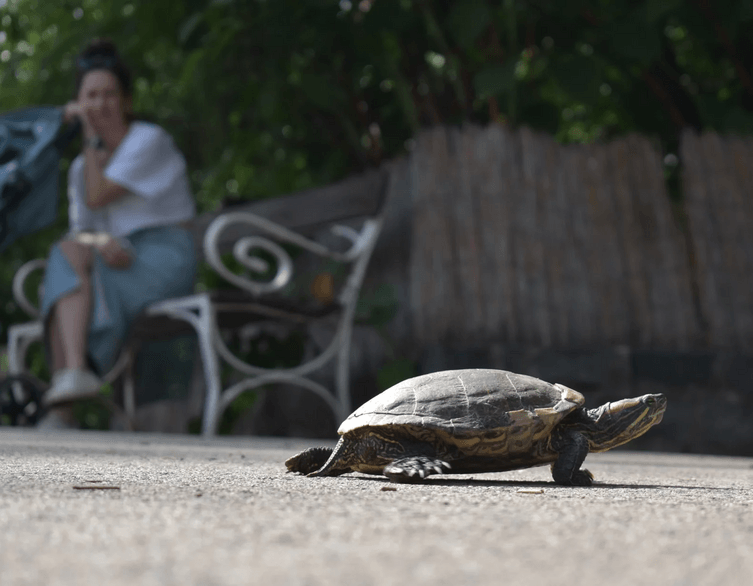
If you’re planning a visit to the Budapest Zoo & Botanical Garden this summer, keep your eyes on the ground — because the zoo’s most unhurried residents are currently on the loose. Don’t panic. Nobody broke out of anything. It’s just nesting season for the zoo’s ornate pond turtles, and these little shelled wanderers have decided the whole zoo is their personal real estate office.
The World’s Most Leisurely Explorers
Every year around this time, the ornate pond turtles (also known as red-eared sliders) that live in the zoo’s iconic Great Lake venture out on what can only be described as the slowest cross-zoo expedition in history. You might spot one waddling across a footpath with the confidence of someone who owns the place — and honestly, at this point, they kind of do. They’re not escaping. They’re house hunting. Once they find the perfect spot to lay their eggs, they’ll make their unhurried way back to the lake. So if you encounter one mid-stroll, the only thing you need to do is watch where you put your feet.
A Lake With Deep Roots
The Great Lake is one of the oldest features of the Budapest Zoo, dating all the way back to the zoo’s opening in 1866 — making it older than most European capitals’ metro systems. It was originally designed to showcase water birds, but over the decades it has also become home to hundreds of ornate pond turtles. On sunny days, you’ll see them lounging near the water’s edge, soaking up rays with the dedication of seasoned sunbathers. Right now though, nesting instinct is pulling them away from their beloved lakeside spots and onto the zoo’s walking paths.
Best deals of Budapest








How Did They All Get Here?
Here’s where the story gets a little bittersweet. Most of these turtles didn’t start life in the wild — they were once kept as pets. Back in the day, red-eared sliders were hugely popular as exotic pets, small and cute enough to fit in a tank. The problem? They grow. And grow. Until they’re roughly the size of a soup plate and considerably less charming to maintain. When that happened, some well-meaning (but poorly informed) owners simply released them into local waterways, not realizing this was causing serious ecological harm. These turtles are native to the southern United States, and they have no business living in Hungarian wetlands — where they aggressively compete with the native, protected European pond turtle.
The Budapest Zoo stepped in brilliantly in the mid-1990s by launching a public appeal: don’t release your turtle into the wild, bring it to us instead. We’ll give it a good home in the Great Lake. It was a win-win — the red-eared sliders got a safe, comfortable habitat, and Hungary’s native turtles got a fighting chance.
Your Budapest Zoo Visit Just Got More Fun
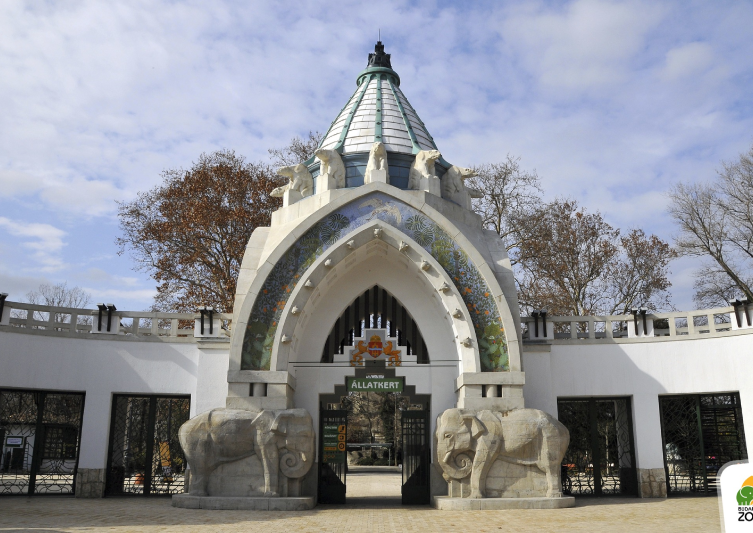
So there you have it. A trip to one of Central Europe’s most historic zoos now comes with a bonus side quest: spot the slow-motion adventurers making their seasonal pilgrimage across the grounds. The Budapest Zoo & Botanical Garden, located in the heart of City Park (Városliget), is open year-round and is one of the oldest zoos in the world. Between the nesting turtles, the stunning 19th-century architecture, and hundreds of animal species, it’s genuinely one of the best things to do in Budapest — whether you’re traveling with kids, a partner, or just your own sense of wonder.
Just, seriously — watch where you step.
Related news
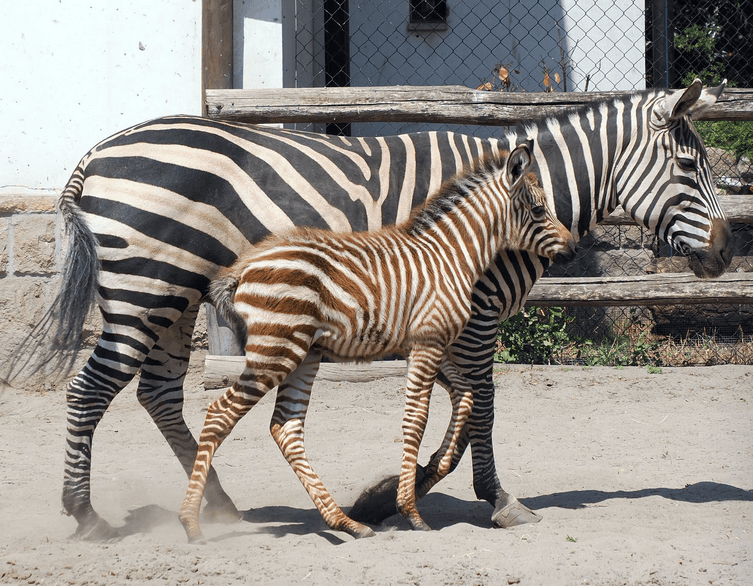
Budapest Zoo Is Having a Baby Boom, and Tourists Should See It Now
If cute animal babies are on your Budapest bucket list, timing couldn’t be better: the Budapest Zoo and Botanical Garden is in the middle of...
A New Foal, a New Biodome Wonder: What’s On at Budapest Zoo This Summer
Budapest is famous for its thermal baths and grand boulevards, but right now, one of the most exciting reasons to visit the city is happening at...

The Palm House of Budapest Zoo: A 160-Year Story of Survival, Renewal, and Tropical Wonder
Discover one of Budapest’s most captivating hidden gems — a Victorian glass palace filled with jungle life, right in the heart of the city....
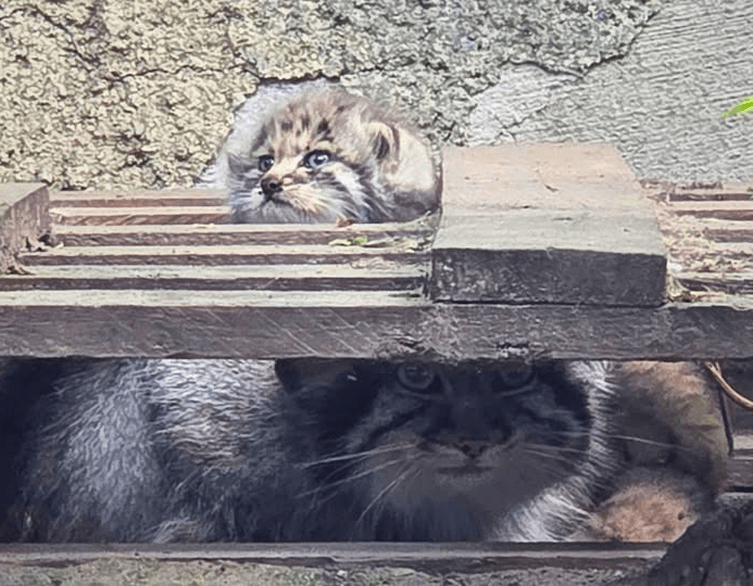
Budapest Zoo Welcomes an Adorable Pallas’s Cat Kitten: Meet the Newest Internet Star in the Making
Visitors to Budapest have a brand-new reason to add the city’s famous zoo to their itinerary. A tiny Pallas’s cat kitten, one of the most charming...

Budapest Zoo Cheers as Hungary Finally Bans Wild Animals from the Circus
There are moments in the slow, grinding machinery of legislation when something genuinely good happens — and when it does, it’s worth pausing...

Budapest Zoo’s Biodome Is Finally Opening Its Doors — And It’s Going to Be Spectacular
If you’re planning a trip to Budapest this summer, you might want to clear some extra space in your itinerary. The Hungarian capital’s...
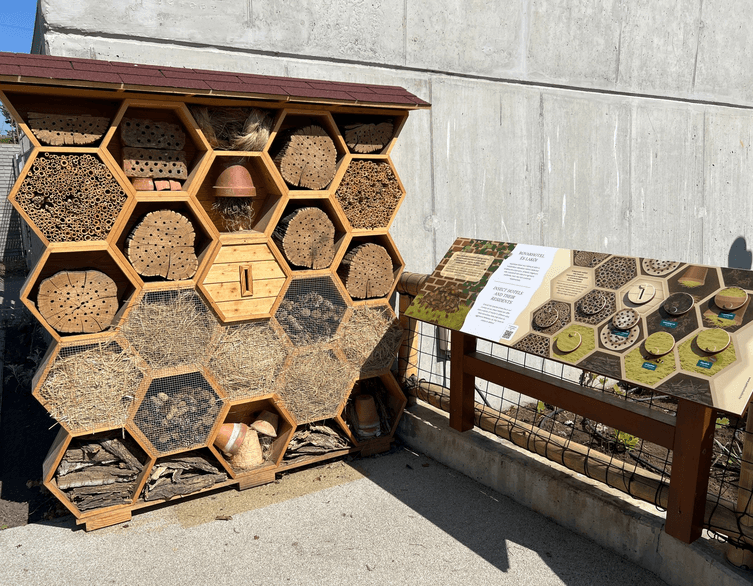
Bees, Butterflies, and Budapest: The Zoo’s New Pollinator Garden Is Worth a Visit
When most visitors picture the Budapest Zoo & Botanical Garden, they think of exotic animals, century-old Art Nouveau pavilions, and the lush...
Margaret Island’s Little Zoo Is Open — and It Just Got Some Adorable New Residents
Spring has come early to one of Budapest’s most beloved green escapes. The Margaret Island Petting Zoo has reopened its gates after its brief...
Related attractions
Margaret Island Petting Zoo – The Cutest Place on the Island
Nestled in the heart of Budapest, the Margaret Island Petting Zoo is a delightful attraction that offers a unique experience for visitors of all...
The Budapest Zoo & Botanical Garden: The Wonders of Nature In The Heart of Budapest
The Budapest Zoo & Botanical Garden is one of the oldest zoos in the world and a must-see attraction for any foreign tourist visiting Hungary’s...