Bees, Butterflies, and Budapest: The Zoo’s New Pollinator Garden Is Worth a Visit
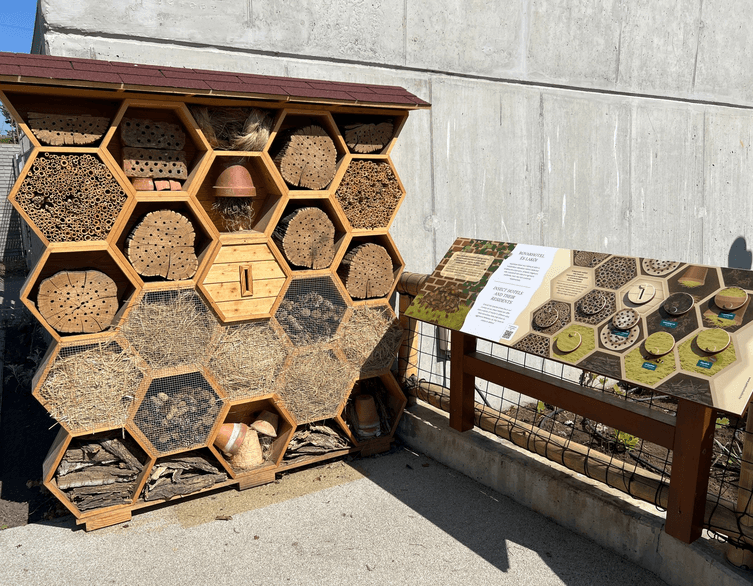
When most visitors picture the Budapest Zoo & Botanical Garden, they think of exotic animals, century-old Art Nouveau pavilions, and the lush greenery of City Park (Városliget). What fewer people realize is that this beloved institution is also a serious botanical garden — and its newest addition is a buzzing, blooming celebration of some of nature’s most essential (and most overlooked) creatures. Opened on April 18, 2026, the BeporZOOna — a dedicated pollinator-friendly garden — is a charming, educational, and genuinely important new corner of one of Central Europe’s oldest zoos.
More Than Just a Zoo
The Budapest Zoo & Botanical Garden’s official name already hints at its dual identity. While every zoo has some greenery, Budapest’s institution goes several steps further. The number of plant species on display actually exceeds the number of animal species — and that is no small feat, given that the zoo houses one of the most diverse animal collections in Europe, with over 1,000 species within its 11 hectares. The institution is also a member of several prestigious botanical organizations, including the Hungarian Association of Arboreta and Botanical Gardens (MABOSZ) and the international Botanic Gardens Conservation International (BGCI). In short, the plants here are taken just as seriously as the animals.
What Is the BeporZOOna?
The BeporZOOna — a playful portmanteau blending “beporzó” (pollinator in Hungarian) and “ZOO” — is a dedicated zone running along the perimeter of the Biodome’s outdoor enclosures and the surrounding pathways. The garden was designed with both aesthetics and ecology firmly in mind, striking a balance that visitors can see and feel as soon as they step inside. It is not just a pretty flower bed; it is a carefully engineered sanctuary for the insects that quietly keep our ecosystems alive.
Best deals of Budapest










The timing of the opening was deliberate. The garden was unveiled on the same day the Budapest Zoo & Botanical Garden held an open day for teachers and educators, a fitting choice given that protecting pollinators is a central theme in the zoo’s educational and zoopedagogical programs. The BeporZOOna features numerous interactive displays and informational panels to help visitors understand the ecological relationship between flowering plants and pollinators — and, importantly, to inspire them to create their own pollinator-friendly spaces at home.
Why Pollinators Need Our Help
The decline of pollinating insects is one of the most pressing — and underreported — environmental crises of our time. Across the world, populations of wild bees, bumblebees, hoverflies, butterflies, and flower-visiting beetles are shrinking, largely due to human activity. The culprits are well established: widespread pesticide use, intensive agriculture, habitat loss, climate change, and even certain gardening trends that favor neat, tidy, ecologically barren spaces over wilder, more biodiverse ones.
In Hungary, as in most of temperate Europe, virtually all plant pollination is carried out by insects. Wild bees, bumblebees, hoverflies, butterflies, and various flower-visiting beetles are the key players. Without them, entire food chains — and ultimately food supplies — would be thrown into chaos. The Budapest Zoo & Botanical Garden’s decision to dedicate a visible, publicly accessible space to these insects is both a symbolic and a practical gesture of support for their survival.
It is also worth addressing a bit of snobbery that sometimes surrounds the idea of pollinator-friendly gardens. Some dismiss them as just a trendy rebranding of “weeds.” But the concept of a weed — a plant deemed useless by human standards — is itself part of the problem. Pollinator gardens challenge the assumption that only what is useful to humans deserves to bloom. As the zoo’s team points out, once humanity truly understands that pollinators serve our own best interests, the very definition of what counts as a “useful” plant shifts entirely.
What Makes a Garden Pollinator-Friendly?
Not every garden filled with flowers qualifies. A genuinely pollinator-friendly garden requires careful planning on multiple levels. The plant selection must ensure that something is in bloom from early spring right through to the first frosts — covering the entire active season for temperate-zone insects. Native plant species are especially valuable, since local insects have evolved alongside them over thousands of years and are naturally better adapted to them.
Equally important is what the garden does not contain: pesticides and heavily cultivated ornamental flowers that are beautiful to human eyes but offer little nectar and are often physically difficult for insects to access. In their place, the BeporZOOna features plants chosen specifically for their ecological value. The garden is also equipped with insect hotels, dead wood sections, leaf litter strips, bare soil patches, and specially designed insect-friendly drinking spots where pollinators can access water without the risk of drowning — all features that are now standard in high-quality pollinator habitats.
The Buzzing Trail and Its Partners
One of the most engaging elements within the BeporZOOna is the Zümmögő sétány, or Buzzing Trail — a dedicated nature walk focused on bees and beekeeping, developed in partnership with the Hungarian National Beekeeping Association (OMME). The trail turns a stroll through the garden into a gentle, immersive lesson in apiculture and the role of bees in the natural world. The opening ceremony was attended by Péter Bross, president of the association, and András Botond Győry, head of the Budapest Zoo & Botanical Garden’s Education and Outreach Department, reflecting the collaborative spirit behind the whole project. The zoo also worked with BKM FŐKERT (Budapest’s public parks management company) and the Budapest Zoo Foundation in bringing the BeporZOOna to life.
A Design Detail Worth a Second Look
One feature of the garden that might catch your eye — and possibly raise an eyebrow — is the raised planting beds, which are shaped like honeycomb cells and framed in what appears to be rust-covered metal. Before jumping to conclusions, it is worth knowing that this is not neglected ironwork. The frames are made from COR-TEN steel, a weather-resistant alloy widely used in contemporary architecture and landscape design. The “rust” on its surface is actually a stable, corrosion-resistant patina layer that forms naturally and, paradoxically, protects the steel underneath from further oxidation. The result is a warm, earthy aesthetic that blends beautifully into a garden setting — and, fittingly, echoes the tones of rich soil and fallen leaves. COR-TEN has even been used at the historic Castle Garden Bazaar (Várkert Bazár) in Budapest, so the material has genuine local architectural pedigree.
Plan Your Visit
The BeporZOOna is open as part of the regular Budapest Zoo & Botanical Garden admission and is located near the Biodome’s outdoor area. To get the most out of the experience, take your time on the Buzzing Trail, read the information panels, and — if you have children in tow — engage with the interactive elements throughout the garden. The zoo is located in City Park (Városliget), easily reachable by metro (M1 line, Széchenyi fürdő stop), and is well worth pairing with a visit to the nearby Széchenyi Thermal Bath or the Museum of Fine Arts.
Whether you are a nature enthusiast, a curious traveler, or simply someone who appreciates thoughtful design, the BeporZOOna is a small but genuinely meaningful addition to what Budapest has to offer. In a city celebrated for grand architecture and vibrant nightlife, it is quietly refreshing to find a space dedicated entirely to the humble, industrious creatures that make all life possible.
Related news
Watch Your Step! Budapest Zoo’s Tiniest Escape Artists Are on the Move
If you’re planning a visit to the Budapest Zoo & Botanical Garden this summer, keep your eyes on the ground — because the zoo’s...
The Palm House of Budapest Zoo: A 160-Year Story of Survival, Renewal, and Tropical Wonder
Discover one of Budapest’s most captivating hidden gems — a Victorian glass palace filled with jungle life, right in the heart of the city....
Budapest Zoo Welcomes an Adorable Pallas’s Cat Kitten: Meet the Newest Internet Star in the Making
Visitors to Budapest have a brand-new reason to add the city’s famous zoo to their itinerary. A tiny Pallas’s cat kitten, one of the most charming...

Sir David Attenborough Turns 100 – And Yes, There’s a Hungarian Chapter in His Story
If you grew up hearing a calm British voice whispering about jungle frogs, shy lizards or very determined penguins, chances are it was Sir David...
You Can Now Donate a Plant to Budapest Zoo — and It’s as Cool as It Sounds
Budapest Zoo and Botanical Garden has always had a soft spot for the unusual. It’s the kind of place where art nouveau elephant gates guard...
Budapest Is Going Wild — Nearly 1 Million Square Metres of Wildflowers Are Taking Over the City
If you’ve been to Budapest before and remember neatly trimmed, sterile grass strips along the boulevards, brace yourself — the city has been...
Budapest Zoo’s Biodome Is Finally Opening Its Doors — And It’s Going to Be Spectacular
If you’re planning a trip to Budapest this summer, you might want to clear some extra space in your itinerary. The Hungarian capital’s...
Budapest Is Buzzing — And Not Just Because of the Tourism
When most people think of Budapest, they picture the Chain Bridge lit up at night, the steam rising from the thermal baths, or the ruin bars spilling...
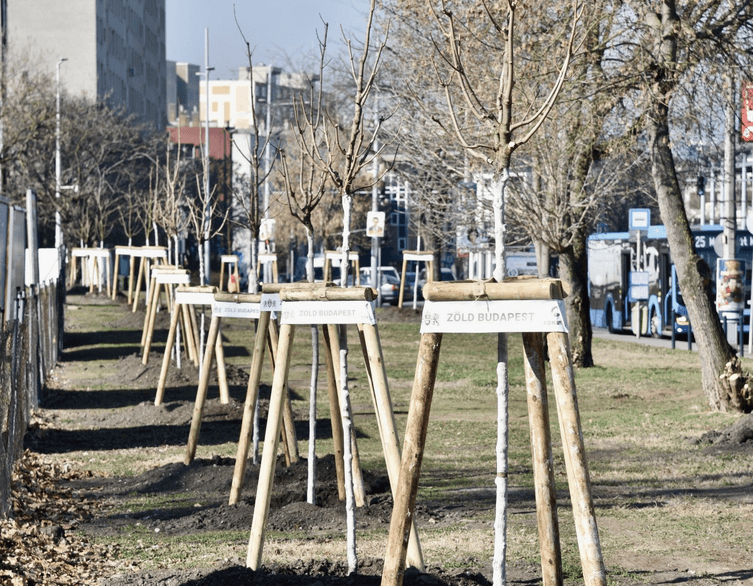
Budapest Is Getting Greener: Over 560 New Trees Planted Across the City This Spring
If you’re visiting Budapest this spring, you might notice something fresh in the air — and not just the warmer temperatures. The city is...
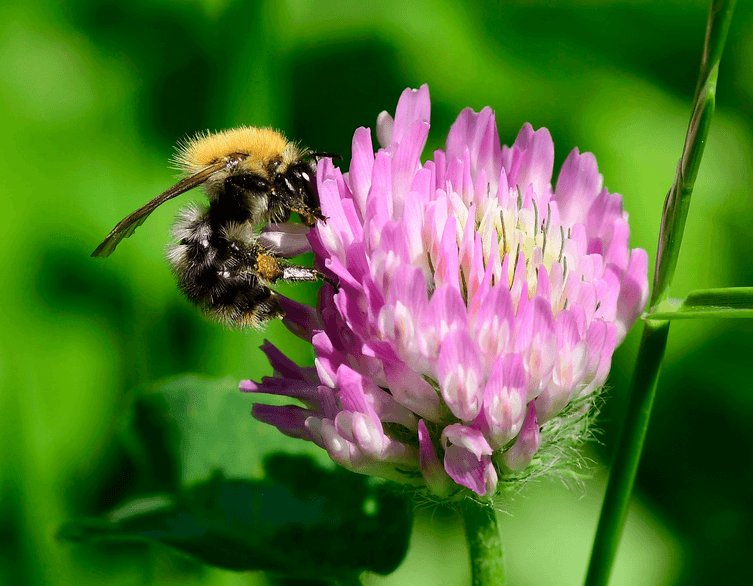
Budapest’s Secret Garden: How the City Is Buzzing Back to Life for Its Pollinators
There’s something quietly magical happening in Budapest’s parks, squares, and green strips. While visitors might be busy marvelling at...
Grow Your Own Hungarian Meadow: The Budapest Seed Mix Story
Let’s Get Those Hands Dirty in Budapest’s Urban Wilds Ready to channel your inner garden gnome? In Budapest, they’ve launched something truly...
Budapest’s First Native Wildflower Seeds Debut This Weekend
Budapest is making history this Saturday, September 27th, as the city launches its very first locally-adapted wildflower seed mix at an exciting...
Related events