Flash-storm – The Pixelated Dawn of Hungarian Party Photography in the Early 2000s
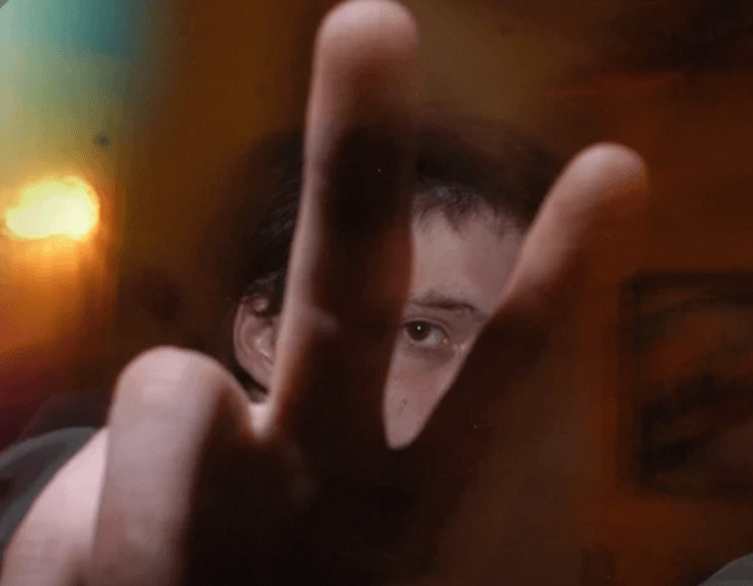
If you want a glimpse into Budapest’s nightlife history that goes far beyond today’s ruin bars and festival stages, the House of Music Hungary has a standout exhibition running from August 4 through September 13, 2026. It’s a free pop-up photography show titled “Flash-storm – The Pixelated Dawn of Hungarian Party Photography in the Early 2000s,” and it throws you straight into the grainy, flash-lit chaos of Budapest’s club scene at the turn of the millennium.
A Time Machine Made of Nightlife Photographs
“Flash-storm” focuses on a very specific era: the early 2000s, when party photography meant stark flash, visible pixel noise, and candid shots taken in now-vanished underground clubs rather than filtered smartphone stories. The core of the exhibition is the work of photographer Balázs Glódi, known as Fényérzékeny, whose images capture disappearing venues, legendary nights, and faces that many Budapest locals would instantly recognize, supported by additional material provided by the Pulzar and Drumandbass.hu teams.
For international visitors, this offers more than nostalgia; it’s a visual guide to how Budapest earned its reputation as a nightlife capital long before it became a mainstream city-break destination. By walking through the exhibition, you see the energy, fashion, and atmosphere that shaped the city’s club culture, making it easier to connect today’s vibrant nights to their roots two decades ago.
Opening Night: When the Photos Come to Life
While “Flash-storm – The Pixelated Dawn of Hungarian Party Photography in the Early 2000s” is open for more than a month, the opening event on Tuesday, August 4, from 5:30 PM to 6:30 PM is especially worth attending if your travel dates allow. Held in the lobby (Előcsarnok) of the House of Music Hungary, the opening combines exhibition, storytelling, and music into one compact early evening program.
The exhibition is officially opened by László L. Laki, the creator behind iconic projects such as Cinetrip, Sparty, VJ Torna, and the Light Art Museum, and introduced by curator István Virágvölgyi, who provides context for the images and the era they depict. Adding a live soundtrack, DJ Márk Matek—former resident at legendary Budapest venues like Süss Fel Nap, West Balkán, and Holdudvar—plays a set that echoes the sound of the very nights captured in the photographs. The overall feeling is less like a formal museum event and more like stepping into a time capsule of Budapest’s club culture.
Best deals of Budapest








A Free, Easy Addition to Any Budapest Itinerary
One of the most appealing aspects for visitors is that entry to “Flash-storm – The Pixelated Dawn of Hungarian Party Photography in the Early 2000s” is completely free, both on opening night and throughout the exhibition period. The show is hosted by the House of Music Hungary in City Park (Városliget), a central green area that already draws visitors for attractions like Heroes’ Square and Vajdahunyad Castle, making it simple to weave the exhibition into a day of sightseeing.
The exhibition is also connected to the Independent Label Fair record market on September 12 as a companion pop-up program, which adds an extra layer of interest for music lovers and vinyl collectors planning a deeper cultural experience in Budapest. Supported by the National Cultural Fund of Hungary and with lightbox equipment provided by the Robert Capa Contemporary Photography Center, the project sits firmly within the city’s contemporary art ecosystem while remaining accessible and relaxed for tourists.
Why “Flash-storm” Belongs on Your Budapest Must-See List
For travelers who want to understand Budapest not just through historic architecture and thermal baths, but also through the stories of how people actually lived and partied here, “Flash-storm – The Pixelated Dawn of Hungarian Party Photography in the Early 2000s” is a perfect fit. It is a compact, visually rich, and emotionally charged way to discover a vanished nightlife world, and to sense the local culture that lies beneath today’s more polished venues.
Whether you are into photography, electronic music, or simply curious about how Budapest looked and felt in the years before the smartphone age, this free exhibition at the House of Music Hungary offers an authentic, evocative experience that will stay with you long after you leave the city.
Related attractions
Related news

Budapest’s Quirkiest Fall Events: A Season of Unexpected Fun in the Hungarian Capital
Budapest has a way of surprising visitors just when they think they have the city figured out. Sure, the thermal baths, the Danube views, and the...
What’s On in Budapest: The City’s Best Photo Exhibitions Right Now
Budapest has quietly turned into one of Europe’s most rewarding cities for photography lovers this year, and you don’t need to hunt far...