Washi Exhibition Unveils the Many Faces of Japanese Paper in Budapest
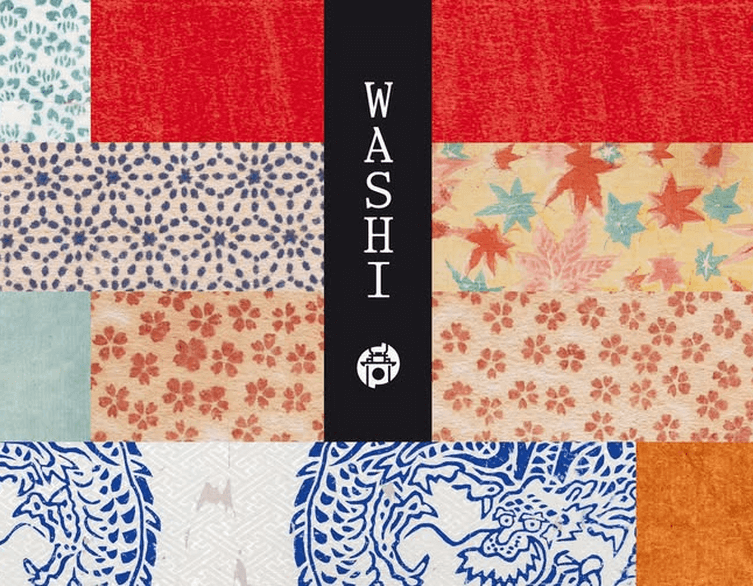
Budapest’s Ferenc Hopp Museum of Asiatic Arts is opening its doors to one of the most delicate materials in Japanese culture. The new exhibition, “Washi: The Thousand Faces of Japanese Paper,” opened on September 24, 2026, and invites visitors to discover how a simple handmade paper became one of Japan’s most enduring cultural symbols.
Exhibition Details at a Glance
- Location: Ferenc Hopp Museum of Asiatic Arts, Andrássy Avenue 103, Budapest
- Dates: September 25, 2026, through January 31, 2027
- Opening hours: Tuesday to Sunday, 10:00 a.m. to 6:00 p.m., closed Mondays
- Admission: full-price adult ticket 2,800 HUF, reduced ticket (students aged 6 to 26, and pensioners aged 62 to 70) 1,400 HUF
- Free entry: children under 6, adults over 70, disabled visitors plus one companion, and Budapest Card holders
- Getting there: metro line M1 to Bajza Street station, or bus 105 to the Bajza Street stop
- On view: nearly 200 artifacts, documents, and interactive elements, plus an accompanying program of events and an international conference
Paper That Shaped a Culture
Long before Japan became known for anime or sushi, it built entire layers of daily life around a single handmade material. The technology of papermaking arrived in Japan in the early seventh century, traveling through China and Korea, and local artisans quickly adapted it to native plant fibers such as kōzo (paper mulberry), mitsumata, and gampi. What makes washi so remarkable isn’t tied to any single use or social class. It shows up everywhere: in the walls and screens of traditional homes, in clothing, in religious rituals, in ceremonial gift wrapping, and in fine art, often so quietly woven into daily routines that its presence goes almost unnoticed.
The exhibition frames washi as a product of local natural resources and traditional handcraft, and the objects on display capture just how flexible this humble yet refined material can be, serving practical, creative, and purely aesthetic purposes all at once. Visitors moving through the galleries will see how the same paper can become a lantern, a kimono lining, a scroll, or a sculptural artwork.
From Everyday Material to Cultural Icon
Washi’s story took an unexpected turn at the end of the nineteenth century. As Japan industrialized during the Meiji era, Western-style machine-made paper, known as yōshi, pushed washi out of government offices, schools, and mass media. Traditional papermaking declined sharply in many regions, and what had once been an everyday material became something rarer and more precious, associated increasingly with craftsmanship, fine art, and heritage.
Best deals of Budapest









Ironically, that decline is exactly what turned washi into a cultural icon. From the second half of the twentieth century onward, artists, architects, and conservators both in Japan and abroad rediscovered washi as an emblem of Japanese identity. Today it exists on three levels at once: a living craft tradition that Japan generously shares with the world, a symbol of Japanese identity, and a physical record of how the country’s economy and society once functioned.
Budapest’s Own Washi Treasure
Few visitors realize that Budapest is home to one of the more significant washi collections outside Japan. The Ferenc Hopp Museum’s Japanese collection holds close to five thousand objects made from or incorporating washi paper, and this exhibition draws directly on the conservation and diagnostic research the museum’s specialists have carried out on that collection over the years. Beyond simply displaying the paper’s beauty, the show also explains the science of preserving it, giving visitors a rare look at how museums keep fragile centuries-old materials intact.
The exhibition was curated by Mirjam Dénes, a Japanologist and art historian who curates the museum’s Japanese Collection, together with Veronika Bartha, a Japanologist and paper restorer, whose expertise shapes the exhibition’s strong focus on conservation.
Worth the Trip to Andrássy Avenue
The Ferenc Hopp Museum occupies a villa on Andrássy Avenue surrounded by an Oriental-style garden that includes a ginkgo tree over 140 years old, making the museum itself worth a slow walk around before or after the exhibition. Since the museum doesn’t keep a permanent collection on permanent display and instead rotates through a single temporary exhibition at a time, this washi exhibition represents the full current offering, giving visitors a focused, uncluttered experience rather than a sprawling collection to rush through.
For travelers looking to pair Japanese art with central Budapest sightseeing, the museum sits within easy reach of Andrássy Avenue’s other cultural stops, making it a natural addition to a day exploring the city’s boulevards and museums.