Why Budapest’s Streets Are Still Covered in Election Posters — And When They’ll Finally Come Down
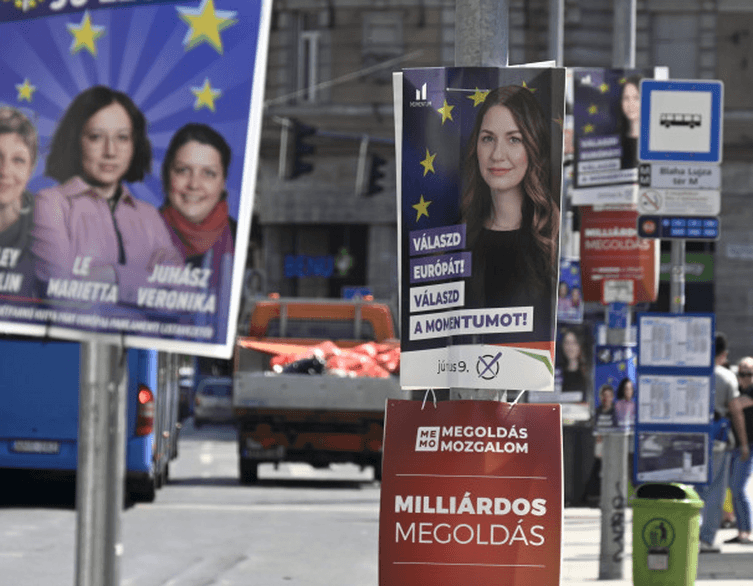
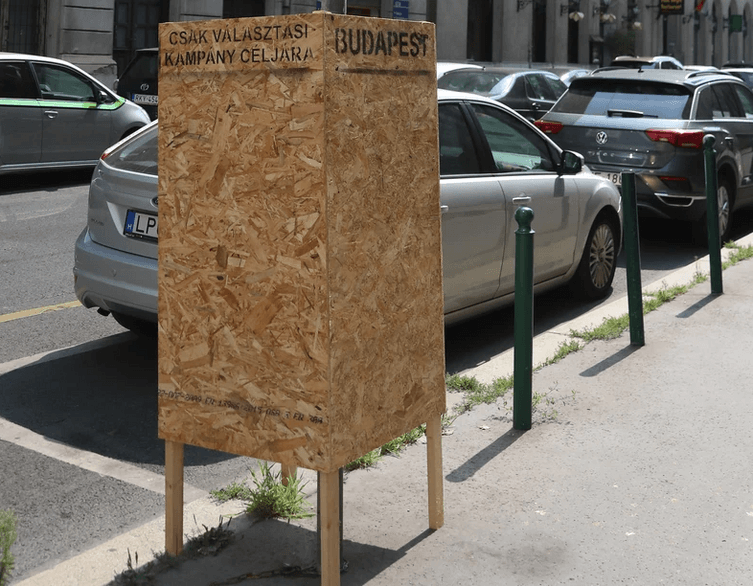
If you’re visiting Budapest right now, you’ve probably noticed that the city looks like it’s been wallpapered. Posters on lampposts, fences, walls, and seemingly every available surface stare back at you from every direction — and they’re not advertising concerts or tourist attractions. These are election campaign posters, and they’re everywhere because Hungary just held one of the most significant parliamentary elections in its recent history on April 6, 2026.
A Political Earthquake in the Heart of Europe
After 16 consecutive years in power, Viktor Orbán’s Fidesz party lost its parliamentary majority to the opposition, led by Péter Magyar and his Tisza party. It was a seismic shift that sent shockwaves across Europe and ended an era of near-uninterrupted political dominance that had defined Hungary throughout the 2010s and early 2020s. For anyone walking past all those faded posters plastered across Budapest’s grand boulevards, there’s a much bigger story behind them than it might first appear.
The official campaign period kicked off on February 21, a full 50 days before the election, and from that moment on, Budapest’s streets transformed into a rolling gallery of political faces and slogans. Under Hungarian electoral law, virtually anything counts as a campaign poster — wall posters, banners, flyers, projected images, and logos, regardless of size. The only legal requirement is that each poster must display the name and address of the publisher and the person responsible for it.
Best deals of Budapest










A Campaign That Took Over the City
Beyond that, the rules are surprisingly permissive. Posters can be placed almost anywhere, with a few notable exceptions: protected heritage monuments, listed architectural treasures, nature conservation areas, and buildings used by state or municipal authorities are all off-limits. For private, state, or municipal property, written permission from the property manager is technically required — but in practice, permission for public property tends to be granted routinely, which is why you see so many of them lining the city’s busiest roads and squares.
The use of lightweight plastic poster boards attached with zip ties has been growing in popularity among political parties precisely because they’re cheap and easy to deploy quickly. During the 2024 local elections, estimates suggested that government and opposition parties combined had hung roughly 100 tonnes of these boards across the country. This time around, with so much at stake, the total may well have been even higher.
When the Trees Became a Battleground
Not everyone was happy about how aggressively the city got plastered. Budapest’s Mayor Gergely Karácsony made headlines in mid-March when he announced that the city had begun removing election posters that had been illegally zip-tied to trees without permission. His message was pointed: “The city’s greenery is our shared value, not a political billboard. Anyone who wants to work for Budapest should start by respecting Budapest’s values.”
Sándor Bardóczi, Budapest’s Chief Landscape Architect, backed this up with a more technical warning. Trees, he explained, are not billboards or utility poles — the city only ever authorized posters on the latter. Zip ties wrapped tightly around tree trunks can damage the vascular tissue just beneath the bark, which is responsible for transporting water and nutrients. Budapest’s boulevard trees are already under significant stress from urban conditions, and this kind of damage is the last thing they need.
So When Do They Actually Come Down?
Here’s the good news for anyone hoping to see Budapest return to its usual elegant self. According to the National Election Office, the deadline is clear and legally binding: all campaign posters must be removed by 4:00 PM on May 12, 2026. That responsibility falls on whoever put them up or on whose behalf they were displayed.
So if you’re visiting in the coming weeks, you can expect the visual noise to fade steadily as that deadline approaches. By mid-May, the city’s grand boulevards, historic squares, and charming side streets should be looking considerably cleaner — and the chapter they represent, one of the most dramatic election campaigns in Hungarian history, will have quietly closed.
A Creative Second Life for the Posters
One of the more heartwarming footnotes to all of this comes from Gergely Őrsi, the mayor of Budapest’s 2nd District, who found a genuinely clever solution to the poster mountain back in 2024. Rather than simply sending his campaign materials to landfill, he donated them to the Hangya Community and the Animal Rescue League, who repurposed the durable plastic boards as insulation and windbreaks for animal kennels. The initiative quickly inspired others — the district of Újpest announced it would do the same, also donating its posters to the Animal Rescue League.
It’s a small but encouraging sign that even the messiest parts of democracy can find a second act — and that Budapest, for all its political energy, has a soft spot for its four-legged residents too.
Related news

Josh Hutcherson Stumbles Into Budapest’s Historic Election Night Celebrations
Budapest has always had a flair for the dramatic, but this past weekend, the Hungarian capital outdid itself — and even a Hollywood star couldn’t...
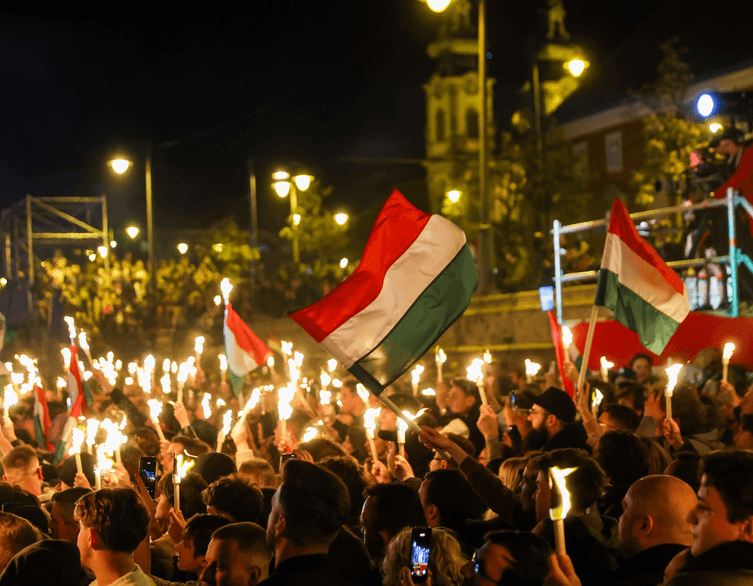
Budapest Erupts in Joy: Hungary’s Historic Election Ends Orban Era
If you happened to be in Budapest last night — or if you’re arriving in the city today — you may have noticed something extraordinary in...
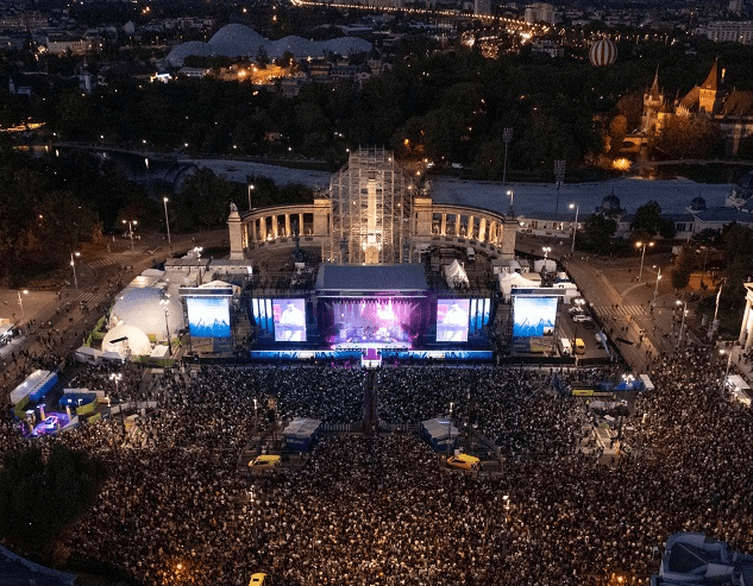
The Concert That Keeps Growing: Budapest’s System-Breaking Grand Concert at Heroes’ Square
If you happen to be in Budapest on the evening of Friday, April 10, 2026, you are about to witness something that goes well beyond an ordinary open-air...
Hungary’s 2026 Parliamentary Election Campaign Kicks Off: What Tourists in Budapest Need to Know
If you’re strolling through Budapest’s vibrant streets right now, you might notice a sudden surge in colorful posters, bustling activists...