April 16 in Budapest: Remembering the Hungarian Victims of the Holocaust
Every year on April 16, Hungary pauses to remember one of the darkest chapters in its history. This date marks the Hungarian Holocaust Memorial Day — a solemn occasion that honors the victims of the Holocaust in Hungary and serves as a powerful reminder of what hatred, indifference, and silence can lead to. For visitors in Budapest around this time of year, understanding the significance of this day adds a profound layer of meaning to exploring the city’s rich but complex history.
Why April 16 Matters
The date is not arbitrary. On April 16, 1944, Hungarian authorities began systematically confining the country’s Jewish population to ghettos — a process that set in motion one of the most devastating sequences of events in 20th-century Hungary. Within weeks, mass deportations to Nazi concentration camps began, ultimately claiming the lives of hundreds of thousands of Hungarian Jews.
The official memorial day was first observed in 2001, following an initiative proposed by Zoltán Pokorni, Hungary’s then-Minister of Education, on January 18, 2000 — the anniversary of the liberation of the Budapest Ghetto. That moment of remembrance grew into a nationwide annual commemoration, institutionalizing Hungary’s commitment to keeping these memories alive.
Best deals of Budapest







The Holocaust Memorial Center: A Must-Visit in Budapest
One of the most significant landmarks connected to this memorial day is the Holocaust Memorial Center on Páva Street (Páva utcai Holokauszt Emlékközpont), which opened its doors on April 15, 2004 — the eve of the very first official commemoration. Located in the 9th district of Budapest, the center occupies a beautifully restored synagogue surrounded by a purpose-built museum complex, and it stands as the only institution in Central Europe dedicated exclusively to researching and presenting the history of the Holocaust.
For foreign tourists, a visit here is both educational and deeply moving. The permanent exhibition walks you through the gradual stripping of rights, dignity, and ultimately life from Jewish Hungarians and other persecuted groups. It does so not with abstract statistics, but with personal stories, photographs, documents, and objects that make history impossible to look away from. The architecture itself — designed to guide visitors through a journey from everyday life into increasingly dark spaces — is a haunting work of commemorative art.
703 Women, 703 Faces: A Powerful New Exhibition
This year’s commemorations are accompanied by a particularly compelling temporary exhibition at the Holocaust Memorial Center. Titled “703 Women, 703 Faces — The Story of a Forgotten Camp,” the exhibition opened on April 10 and tells the stories of 703 Jewish girls and women deported from Budapest to a forced labor camp in Penig, Saxony.
The exhibition grew out of a German initiative called Gesicht Zeigen (“Showing Faces”), whose organizers spent over a decade working to restore identities to women who had been reduced to numbers. Researchers traced their life stories, documented how they ended up in Penig, what they endured there, and — for those who survived — what became of them afterward. Last year, on the 80th anniversary of the Holocaust, the project was presented in Penig itself, where a number of descendants attended the opening. That event sparked the idea to bring the exhibition to Budapest, so that the city which once said goodbye to these women could also finally give them back their faces and their names.
The exhibition features roll-up panels, photographs displayed on screens, video testimonies, and original objects and documents connected to the camp. It’s a deeply human tribute that transforms historical tragedy into individual stories of loss, resilience, and memory.
Remembrance Across the City
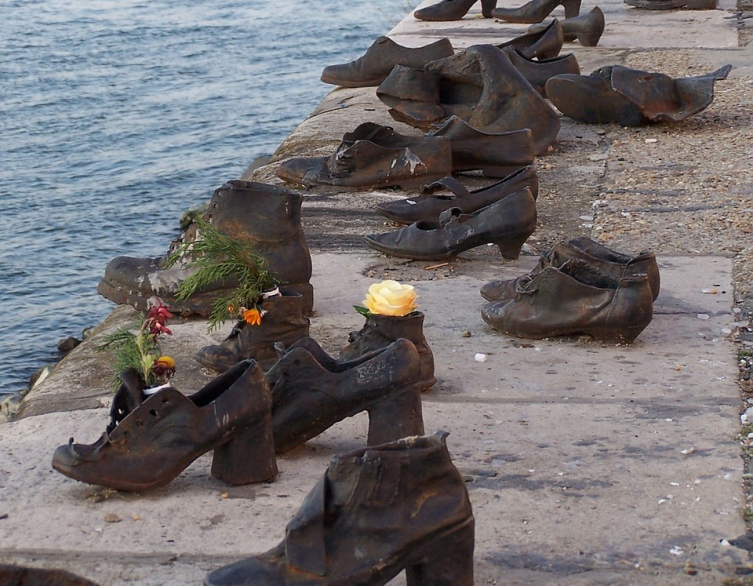
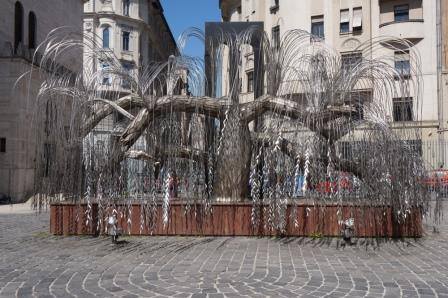
Memorial events take place across Hungary every April 16, but Budapest naturally serves as the focal point. Ceremonies are held at various sites of historical significance, including the Shoes on the Danube Bank memorial near the Parliament building — a haunting installation of 60 pairs of iron shoes commemorating Jews who were shot into the river during the winter of 1944–45. The Great Synagogue on Dohány Street, the largest synagogue in Europe, also holds special significance during this period, as its courtyard contains a weeping willow memorial tree with the names of victims inscribed on its leaves.
Budapest Mayor Gergely Karácsony reflected on the day’s meaning in a statement this year, noting that the ghettoization of Hungarian Jews was just one of many crimes committed against innocent people — crimes that, as he emphasized, always began with words. Hateful words that led to hateful deeds: the stripping of rights, property, freedom, dignity, and life. His message underscores why this day is not merely a historical footnote but a living call to defend democracy, human dignity, and mutual respect every single day.
Visiting Budapest with History in Mind
If you’re traveling to Budapest in April, you’ll find a city that wears its history openly. The Jewish Quarter in the 7th district — centered around the vibrant Kazinczy Street and Klauzál Square — is one of the most atmospheric neighborhoods in the city, blending centuries-old synagogues with trendy ruin bars and street art. Walking through it with awareness of what happened here eight decades ago gives the whole experience a remarkable depth.
The Holocaust Memorial Center on Páva Street is open Tuesday through Sunday and is easily reachable by tram or metro. Admission is free for EU citizens, and audio guides are available in multiple languages. Whether you visit on April 16 itself or any other day, the center offers one of the most important and thoughtfully curated historical experiences in Budapest.
A City That Remembers
Budapest is a city of layers — baroque architecture and communist-era blocks, thermal baths and memorial plaques, festive markets and somber monuments. April 16 is a reminder that understanding Hungary’s present requires engaging with its past, especially its most painful chapters. For tourists willing to look beyond the postcard-perfect views of the Danube, these sites and commemorations offer something far more lasting: a genuine encounter with human history, and with the ongoing responsibility to learn from it.
Related news
Related attractions
Raoul Wallenberg Holocaust Memorial Park: A Tribute to Victims
Budapest, the vibrant capital of Hungary, is home to a poignant reminder of the darkest chapter in human history – the Raoul Wallenberg Holocaust...
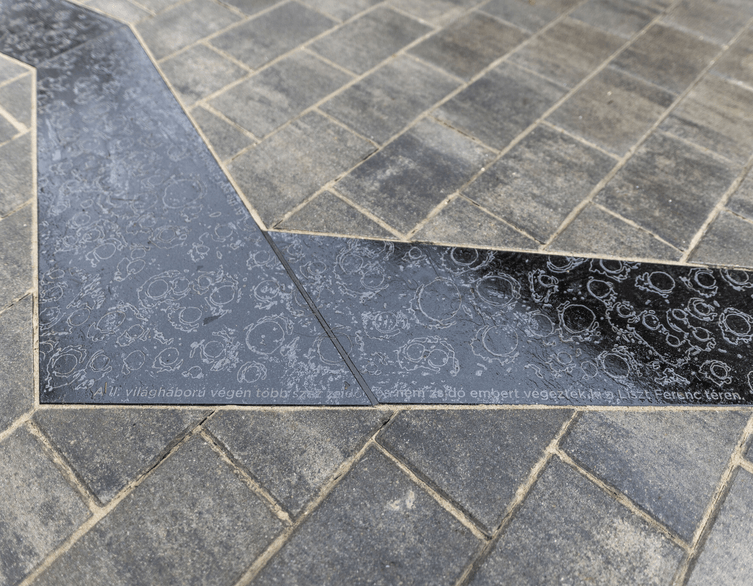
Shoes on the Danube Bank: A Poignant Memorial to Hungary’s Holocaust Victims
Budapest, the vibrant capital of Hungary, is home to numerous historical sites and monuments that attract visitors from around the world. Among these,...
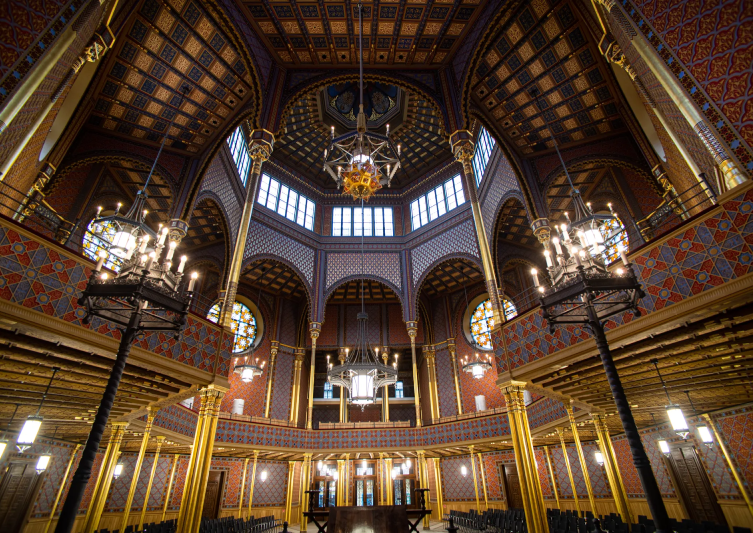
The Rumbach Street Synagogue: Discover The Restored Sacred Center
The Rumbach Street Synagogue, located in the heart of Budapest, is a stunning architectural masterpiece that showcases the genius of Austrian architect...
The Jewish Memorial Center: Honoring the Past in Budapest
Located in the heart of Budapest’s historic Jewish Quarter, the Jewish Memorial Center (Holokauszt Emlékközpont) stands as a powerful tribute...
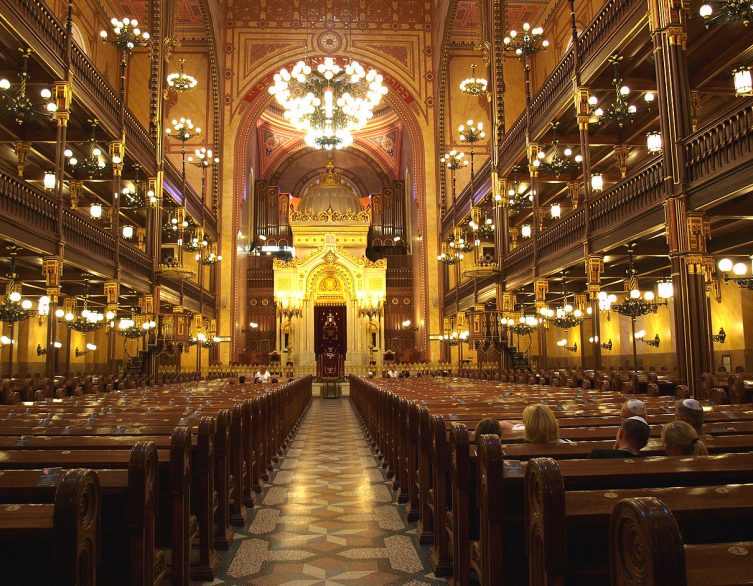
Dohány Street Synagogue: Budapest’s historic Jewish gem
The Dohány Street Synagogue, located in the heart of Pest, Budapest, stands as a monumental beacon of Jewish history and culture. Built in the 19th...