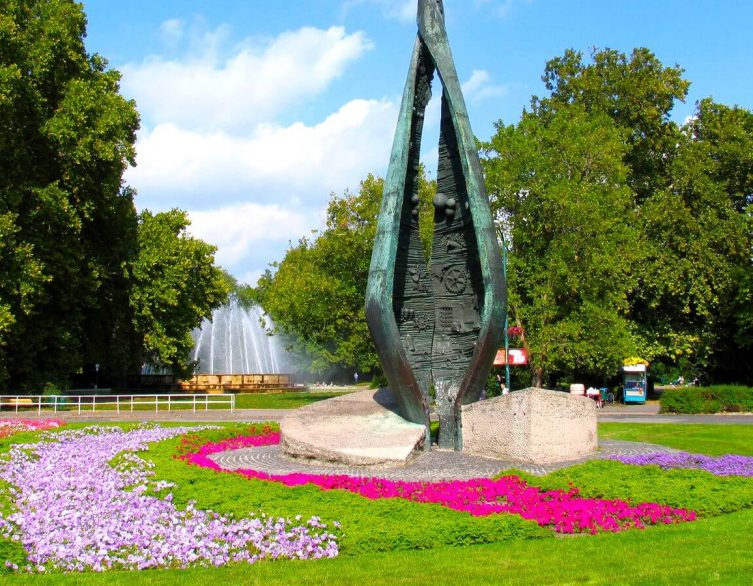
Caring for Ancient Trees on Margaret Island: A Closer Look at Budapest’s Green Heritage
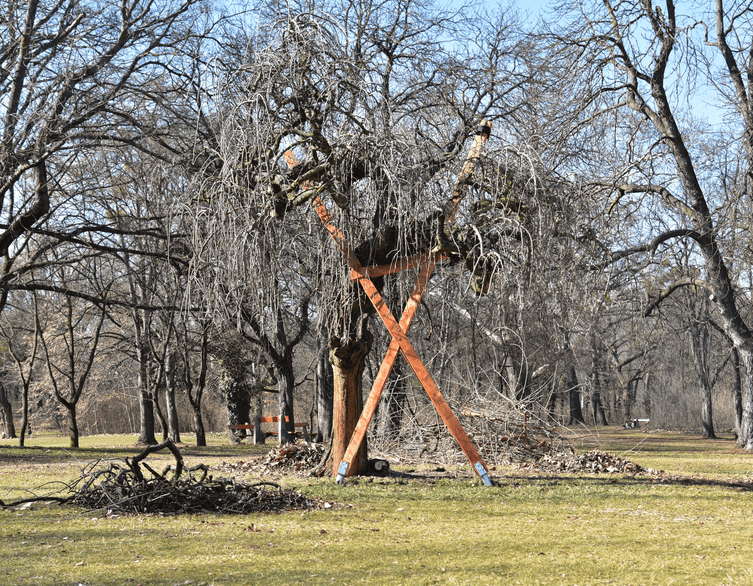
Budapest is often celebrated for its stunning architecture, thermal baths, and riverside views, but the Hungarian capital also has another treasure that many visitors come to love: its remarkable urban green spaces. Among them, Margaret Island stands out as one of the city’s most peaceful and beautiful places. Stretching between Buda and Pest in the middle of the Danube, the island is much more than a scenic park. It is also home to some truly historic trees, including one extraordinary horse chestnut tree that is now receiving special care.
In early 2026, Budapest’s park management company, FŐKERT, began one of its most notable old-tree care projects of the year on Margaret Island. The first tree to receive treatment was a massive horse chestnut tree, located near the Grand Hotel on Margaret Island, and believed to be nearly 200 years old. For visitors, this may sound like a small detail in the life of a city park, but it actually reveals a great deal about how Budapest protects its living natural heritage.
A Nearly 200-Year-Old Tree on Margaret Island
Margaret Island is already one of the best places in Budapest for a relaxing walk, a picnic, or a break from sightseeing, but knowing that some of its trees have witnessed almost two centuries of the city’s history adds a new dimension to the experience. The horse chestnut tree near the Grand Hotel is one of these silent witnesses. It has likely stood through enormous changes in Budapest, surviving different eras while continuing to shape the atmosphere of the island.
However, age brings vulnerability. According to FŐKERT, the condition of the tree was not satisfactory. Several cavities had formed in the trunk, and structural weakness was visible in the crown, which is a known issue for this species. Rather than waiting until the damage became dangerous or irreversible, specialists stepped in to stabilize the tree and improve its chances of surviving safely for years to come.
How Budapest Protects Its Oldest Trees
Tree care in a major city is not just about planting new saplings. It also means maintaining mature trees and, when possible, preserving very old specimens that have become part of the city’s identity. In the case of this veteran horse chestnut on Margaret Island, the work involved several professional arboricultural treatments designed to address hidden weaknesses while preserving the tree’s overall structure.
The cavities were treated where necessary, and protective coverings were installed over the hollow areas to stop rainwater from flowing inside. This is an important step because trapped moisture can speed up decay and further weaken an already fragile tree. One of the main scaffold branches was also reinforced using a Cobra bracing system, which helps provide additional structural support without overly invasive intervention. On top of that, the crown received a full maintenance pruning to remove problematic growth and improve stability.
After this treatment, the tree will remain under observation, and experts expect that it may need another intervention in around three to five years. This long-term monitoring shows that caring for old trees is not a one-time action but an ongoing commitment.
Why This Matters to Visitors
For foreign tourists, Margaret Island is usually recommended as a place to cycle, jog, visit the musical fountain, or simply enjoy a quieter side of Budapest. Yet the island is also a lesson in how cities can respect and protect their natural history. The care given to this old horse chestnut tree reflects a broader philosophy: urban trees are not only decorative elements but living organisms that shape the character, comfort, and environmental quality of the city.
A mature tree like this provides shade, helps cool the surrounding area, supports biodiversity, and adds beauty that no newly planted tree can immediately replace. In a busy European capital, these old giants create a sense of continuity and calm that many travelers appreciate, even if they do not realize it at first.
Best deals of Budapest











When you walk around Margaret Island, especially near the historic hotel area, you are not just moving through a park. You are passing through a landscape that has been growing and evolving for generations. Knowing that Budapest actively works to preserve these old trees can make a simple stroll feel much more meaningful.
Margaret Island and Budapest’s Broader Green Vision
The work on Margaret Island is also part of a wider approach to urban tree management in Budapest. FŐKERT has emphasized that its responsibility does not end after planting young trees. The long-term maintenance of saplings is just as important as the preservation of exceptionally old trees. This balance between renewal and conservation is essential in a city where climate pressures, aging vegetation, and public safety all need to be considered together.
Budapest recently highlighted this idea in City Hall Park as well, where FŐKERT created a special installation showing cross-sections of trees that had to be cut down at the end of winter. These tree slices reveal hidden internal defects that were not always visible from the outside. The message behind the installation is simple but important: when a tree is removed in the city, there is often a serious underlying reason, and urban tree management involves difficult decisions made to protect both people and the environment.
For tourists, this offers a deeper understanding of Budapest beyond its monuments and attractions. It shows a city that is thinking carefully about how to create a more livable urban environment while respecting nature.
Visiting Margaret Island With Fresh Eyes
Margaret Island remains one of the most enjoyable places to visit in Budapest, especially in spring, summer, and early autumn. It is easy to reach, wonderfully green, and full of attractions, from medieval ruins and rose gardens to open lawns and running tracks. But for travelers who enjoy discovering the stories behind a place, the island offers more than recreation.
The next time you walk under its leafy canopy, it is worth remembering that some of these trees are not just old, but historically significant. The nearly 200-year-old horse chestnut near the Grand Hotel is one of the island’s quiet landmarks, and its recent treatment is a reminder that preserving a city’s beauty often requires expert care behind the scenes.
In a destination as visually rich as Budapest, it is easy to focus only on buildings and bridges. Yet places like Margaret Island reveal another layer of the city’s identity, one rooted in living heritage. Its ancient trees are part of what makes the island so memorable, and the effort to protect them ensures that future visitors will be able to enjoy the same shaded paths and timeless atmosphere.
A Living Part of Budapest’s Story
For many visitors, Margaret Island is simply one of the prettiest green spaces in Budapest. For those who look a little closer, it is also a place where history is still alive in bark, branches, and roots. The recent care given to one of its oldest horse chestnut trees highlights Budapest’s commitment to preserving the natural landmarks that make the city feel human, welcoming, and full of character.
That is one more reason to include Margaret Island in your Budapest itinerary. Beyond the views and the fresh air, it offers a chance to connect with a quieter, older, and surprisingly moving side of the city.
Related news
Budapest Is Getting Greener: Over 560 New Trees Planted Across the City This Spring
If you’re visiting Budapest this spring, you might notice something fresh in the air — and not just the warmer temperatures. The city is...
A Perfect Day at Millenáris Park: Budapest’s Hidden Green Gem
If someone told you that one of Budapest’s best-kept secrets is a park tucked just behind the bustling streets of the 2nd District, you might...
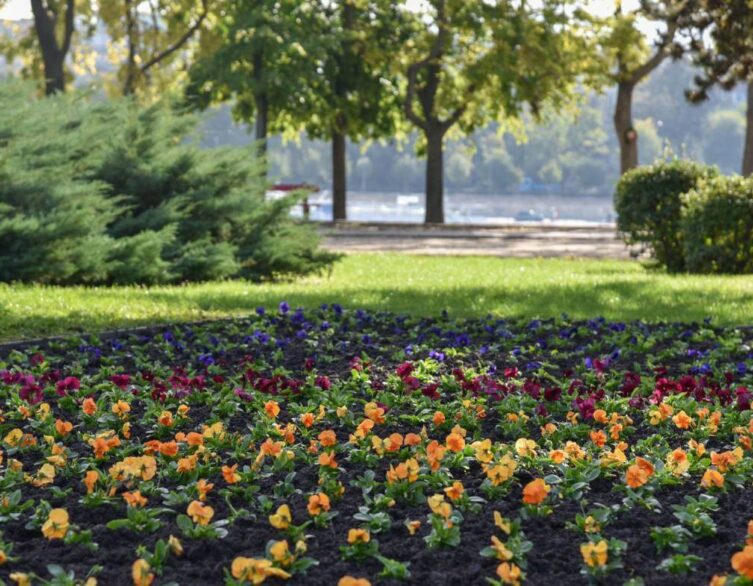
Budapest’s Parks Are Waking Up for Spring — And They’ve Never Looked Better
The City Is Getting Its Green Spaces Ready for You Spring in Budapest doesn’t just happen — it’s carefully prepared. While you’re...
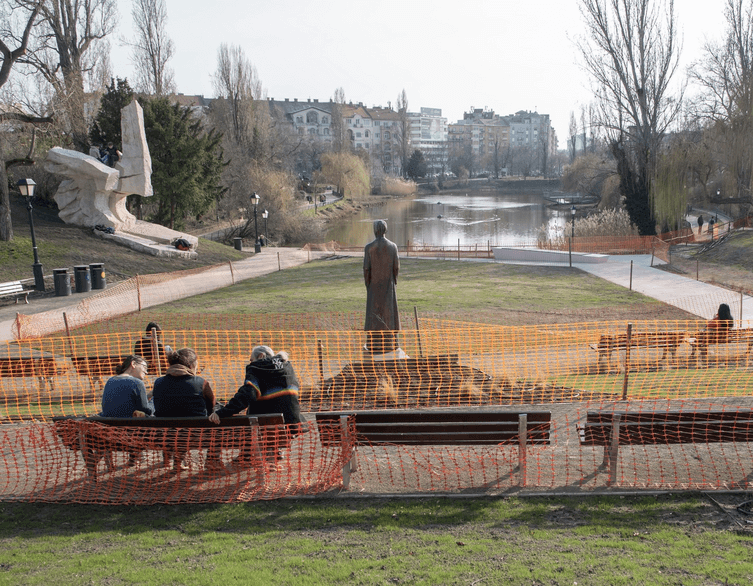
Budapest’s Bottomless Lake Park Just Got a Fresh Start — and Spring Is the Perfect Time to Visit
Spring has arrived in Budapest, and with it comes one of the best reasons to lace up your walking shoes and head to the Buda side of the city. The...
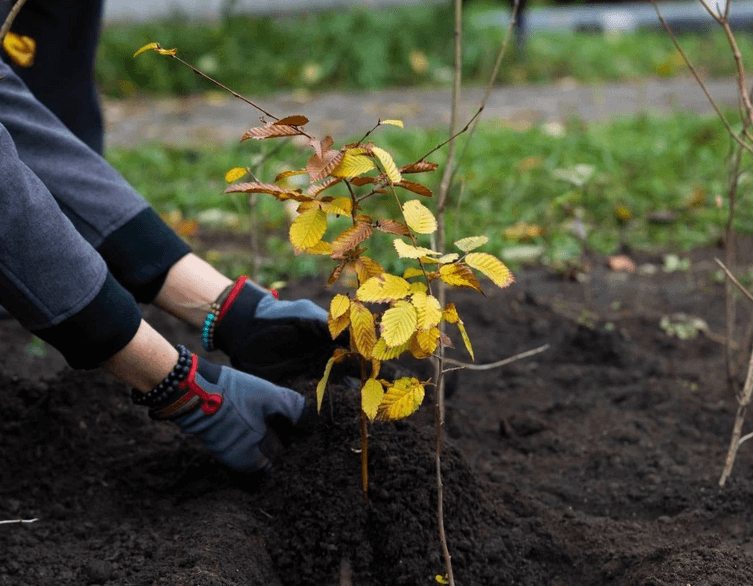
Discover Budapest’s Green Heart: 10 Million Trees and a New Kind of City Break
When most people think of Budapest, they picture thermal baths, ruin bars, and the Danube’s glittering panorama. But if you are a traveler who...
Related attractions