What’s On in Budapest: Organ20 Brings a Fresh Twist to a Spring Cultural Weekend
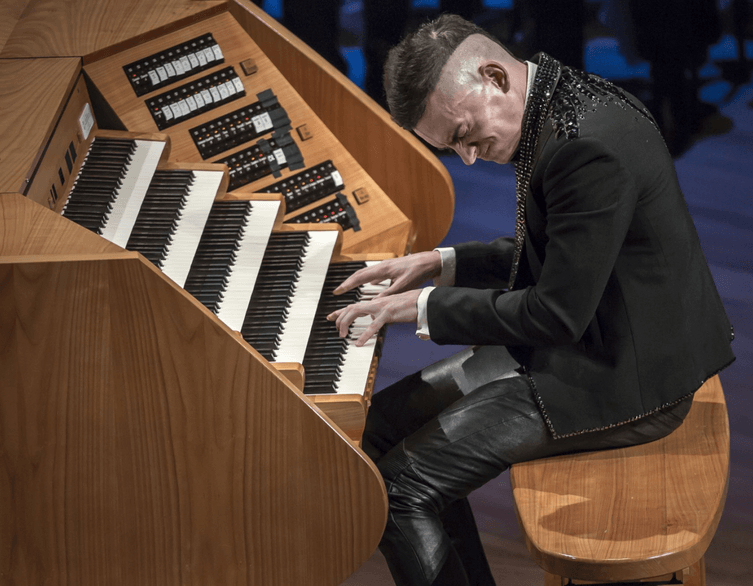
If you are looking for an unusual cultural programme in Budapest, Organ20 at Müpa is well worth adding to your list. This two-day event celebrates the 20th anniversary of Müpa Budapest’s monumental concert organ, but instead of feeling formal or specialist, it opens the instrument up in a way that feels exciting, varied, and surprisingly accessible.
It Is Not Just for Classical Music Fans
One of the most interesting things about Organ20 is how deliberately it breaks away from the idea that organ music belongs only in churches or traditional concert halls. Over the course of the weekend, the instrument appears in completely different settings, from a silent film screening with live accompaniment to an evening performance that brings together organ, saxophone, and live electronics, showing just how cinematic, experimental, and atmospheric it can be.
That variety is a big part of what makes the event stand out on Budapest’s spring calendar. You are not just going to hear one type of concert, but to experience how the same instrument can shift between old and new, serious and playful, grand and intimate.
The Setting Adds to the Experience
The weekend takes place at Müpa Budapest, one of the city’s best-known performing arts venues, and that matters. The building itself has a modern, polished atmosphere that feels very different from the more historic concert spaces many visitors expect, which makes it a particularly good fit for an event built around innovation, experimentation, and discovery.
The organ at the heart of the programme is one of Müpa’s landmark features. It is an instrument capable of evoking the sound world of great cathedrals, yet it is equally suited to contemporary music, improvisation, and large-scale concert performances, which is exactly why it can support such a broad weekend programme.
The Silent Film Concert Is One of the Big Highlights
A real standout is the screening of Buster Keaton’s 1924 classic Sherlock Jr., accompanied live on the organ by Monika Melcová. That combination is especially appealing because it blends film history with live performance in a way that feels immersive and atmospheric, while also giving the audience a sense of how closely early cinema and live music once belonged together.
It is also one of those programmes that can appeal well beyond the usual concert audience. Even if someone would not normally book a classical recital, the idea of watching a silent comedy with a live improvised soundtrack has instant curiosity value, and it gives the whole weekend a more playful, inviting edge.
There Is a Bold Contemporary Side Too
At the other end of the spectrum is SonoStrata, an evening concert that pairs organ with saxophone and live electronics. That line-up alone tells you that Organ20 is interested in stretching expectations, and this is exactly the sort of programme that makes the festival feel current rather than nostalgic.
It is the kind of event that reminds audiences that the organ is not a museum piece. In the right hands, it becomes a source of texture, rhythm, atmosphere, and raw sonic power, fitting naturally into a performance that crosses over between contemporary composition, improvisation, and experimental sound.
Best deals of Budapest










Families Are Part of the Picture
Another nice surprise is how family-friendly the weekend is. The programme includes Organ Lessons, where visitors can get closer to the instrument, as well as Orgelkids sessions that invite children and adults to take part in organ-building activities, turning the festival into something far more interactive than a standard concert series.
That hands-on side gives Organ20 a warmer, more welcoming mood. Instead of simply asking people to sit and listen, it creates opportunities to understand how the instrument works, what gives it its extraordinary sound, and why it has fascinated musicians for centuries.
The Matinée Makes the Organ Feel Approachable
The Organ Hits matinée concert is another smart addition to the programme because it presents the instrument in a lively, friendly format. Rather than treating the organ as something distant or intimidating, it introduces it through famous music, explanation, and a sense of discovery that works for both children and adults.
That approach is especially valuable in a travel and what’s on context. It gives people a chance to enjoy an impressive cultural event without feeling that they need specialist knowledge beforehand, which makes the whole weekend easier to recommend to a broader audience.
The Finale Brings a Sense of Occasion
The closing concert gives the weekend real weight. Alongside one of Liszt’s major organ works, the programme features the world premiere of a new organ concerto by Judit Varga, giving the event not only celebratory value but also the excitement of something genuinely new.
That is one of the most compelling details about Organ20: it is not simply looking back at the history of Müpa’s organ, but also using the anniversary as a chance to expand the repertoire. A world premiere always adds a special sense of occasion, and here it reinforces the idea that the organ remains a living, evolving instrument.
Why It Works So Well as a What’s On Recommendation
From a visitor’s point of view, Organ20 ticks several boxes at once. It is cultural without being stiff, educational without feeling heavy, and varied enough that different kinds of audiences can find a way in, whether they are interested in film, classical music, contemporary sound, architecture, or family activities.
It is also a strong reminder that Budapest’s cultural life extends well beyond the city’s headline attractions. Events like this give the city a more layered, lived-in character, offering experiences that feel more personal and memorable than simply moving from one landmark to the next.
A Spring Event with Real Personality
What makes Organ20 especially interesting is its personality. It has the grandeur you might expect from an organ-centred event, but it also has humour, invention, curiosity, and a willingness to surprise. One moment you are in the world of Buster Keaton, the next in an experimental soundscape, and then in a family programme where the instrument becomes something to explore up close.
Related events