Madách Square in Budapest Is Becoming a Pedestrian Promenade
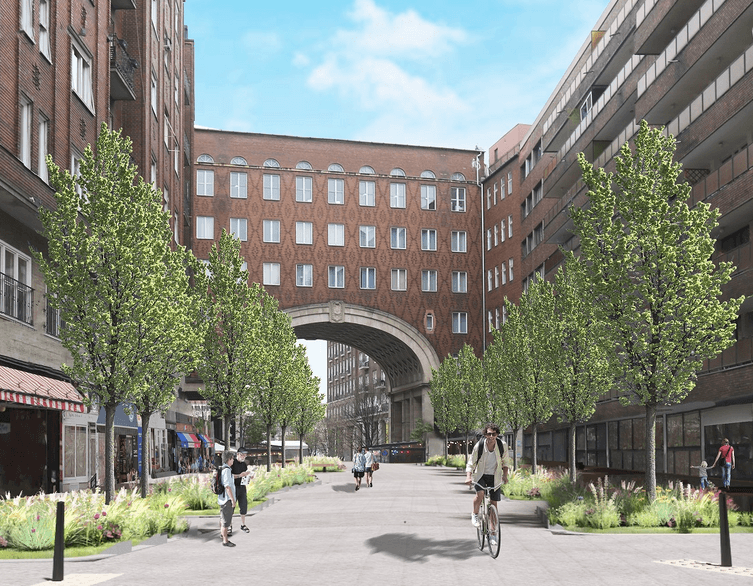
One of central Budapest’s most interesting urban spaces is about to change in a big way. In spring 2026, renovation work began on the section of Madách Imre Road between Rumbach Sebestyén Street and Asbóth Street, with the goal of turning this previously car-dominated stretch into a greener, safer, and more pedestrian-friendly public space in the heart of Erzsébetváros, the 7th District.
For foreign visitors, this matters because the Madách area sits right on the edge of some of Budapest’s liveliest inner-city neighborhoods, close to Deák Ferenc Square, the Jewish Quarter, and several of the city’s best-known cafés, bars, and cultural venues. Once the project is completed, the area is expected to feel less like a leftover parking zone and more like a proper urban promenade that connects sightseeing, local life, and walkable city design.
A long-overdue transformation
Until recently, part of Madách Square was still being used as a parking area, which gave this otherwise central and architecturally striking location a rather neglected feel. That is now changing, as the district has officially handed over the work site to the contractor and launched a full-scale street renewal project designed to upgrade the area from wall to wall.
The redesign includes bringing the roadway and sidewalks onto one level, adding new paving, rebuilding the junction at Rumbach Sebestyén Street to improve accessibility and safety, planting 15 trees, and creating around 160 square metres of new green space. Existing container-grown trees are also being relocated within the district rather than simply removed, which adds to the project’s greener, more thoughtful character.
From parking area to walking space
One of the most important parts of the renovation is that the traffic arrangement is being finalized, meaning the part of Madách Square that had still functioned as a parking zone will become fully car-free. In practical terms, that means this central stretch is set to become a pedestrian street, reinforcing a broader shift toward more people-oriented public spaces in Inner Erzsébetváros.
This is especially relevant for tourists because Budapest is increasingly investing in more walkable neighborhoods rather than simply moving traffic around. In an area where visitors often move between major sights on foot, a pedestrian-friendly Madách Square could become a more pleasant meeting point, a calmer passage between busy districts, and a more attractive stop in its own right.
What visitors can expect
According to the district, construction is being carried out in two phases, and the contractor is expected to complete the work within 120 days. During this period, travelers in the area should pay attention to temporary traffic signs and avoid assuming that familiar routes will remain unchanged while the street works are underway.
Best deals of Budapest








Once the project is finished, the atmosphere should be noticeably more polished and welcoming. With level surfaces, improved accessibility, new trees, and more greenery, the renovated street is likely to feel better suited to strolling, pausing for photos, and moving comfortably between nearby attractions in the city center.
The terrace debate
There is, however, another layer to the story, and it has sparked lively local debate. In February 2026, Erzsébetváros introduced a terrace rule that effectively makes new terraces in pedestrian streets much harder to approve, because they now require majority support from the property-owner communities in the buildings on both sides of the street as well as the building opposite.
That means the future character of the renewed Madách area is still somewhat open. A beautifully redesigned pedestrian street often invites café terraces and outdoor dining, but in this case the local regulatory environment may limit how many such spaces actually appear, even after the reconstruction is complete.
Why this area matters
Madách Square and Madách Imre Road occupy an important position in central Budapest. The area forms a transition point between the elegant city center around Deák Ferenc Square and the more nightlife-oriented streets of the Jewish Quarter, which gives it unusual potential as both a passage and a destination.
For foreign tourists, this makes the project more than a simple infrastructure upgrade. It is part of a larger conversation about what kind of inner city Budapest wants to offer: one shaped mainly by traffic and nightlife, or one that gives more room to greenery, pedestrian comfort, accessibility, and higher-quality public space.
A changing face of Budapest
Madách Square’s renewal reflects a broader trend that many visitors are beginning to notice across Budapest. The city is paying more attention to streets that are not only functional, but also pleasant to spend time in, with better surfaces, more trees, and safer movement for pedestrians.
If the renovation succeeds, this part of Erzsébetváros could become one of those urban spaces that tourists naturally gravitate toward without even planning to. It may no longer be remembered as a worn-out parking area, but as a clean, modern pedestrian promenade in central Budapest, one that links historic streets with a more livable future.
Related news
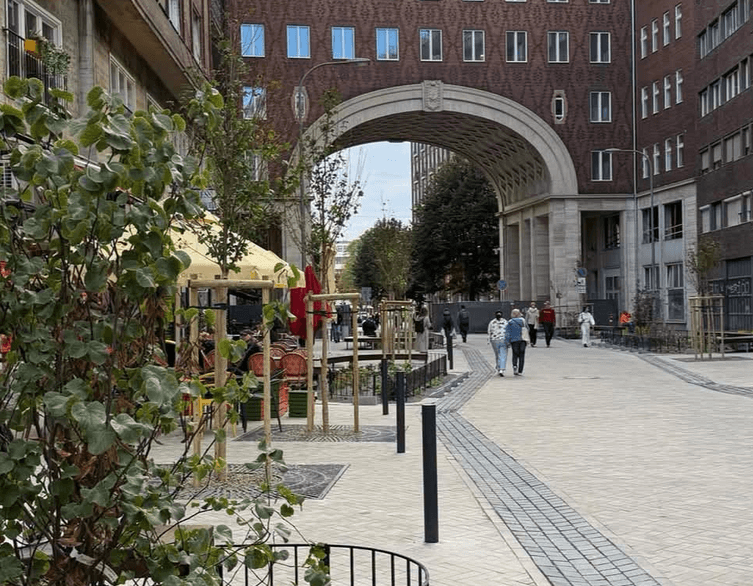
Budapest’s Madách Square Has a New Pedestrian Street
Madách Square has a new pedestrian street, and it already feels as though it has always belonged to people on foot. What was once a parking area...
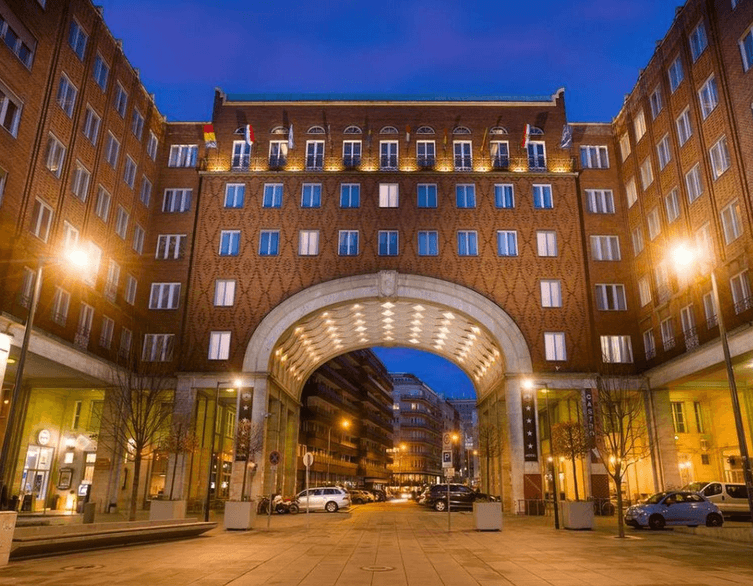
Budapest Is Losing One of Its Most Iconic Nighttime Landmarks — And Nobody Seems to Care Enough to Stop It
If you’ve ever walked through the inner city of Budapest after dark and found yourself pausing to look up at the illuminated archway on Madách...
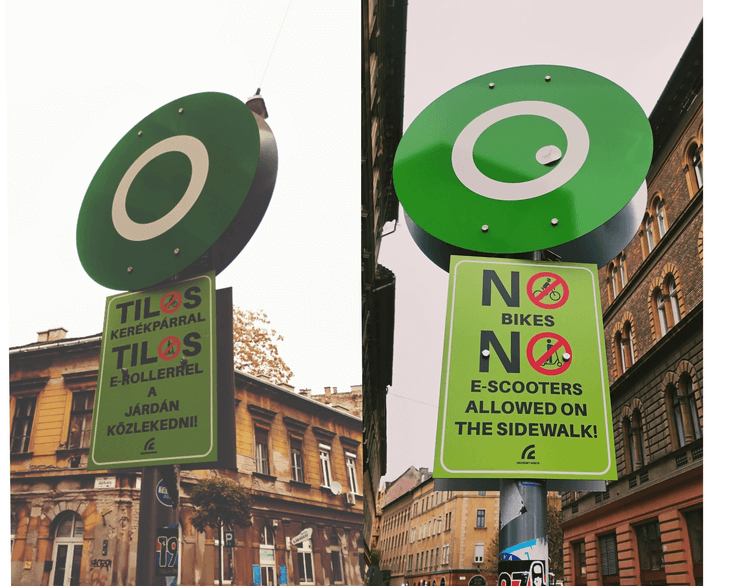
Budapest’s New Downtown: Where Pedestrians Rule the Streets
Budapest’s historic downtown is embracing a walkable future, transforming bustling avenues and hidden streets into pedestrian-only zones. For foreign...
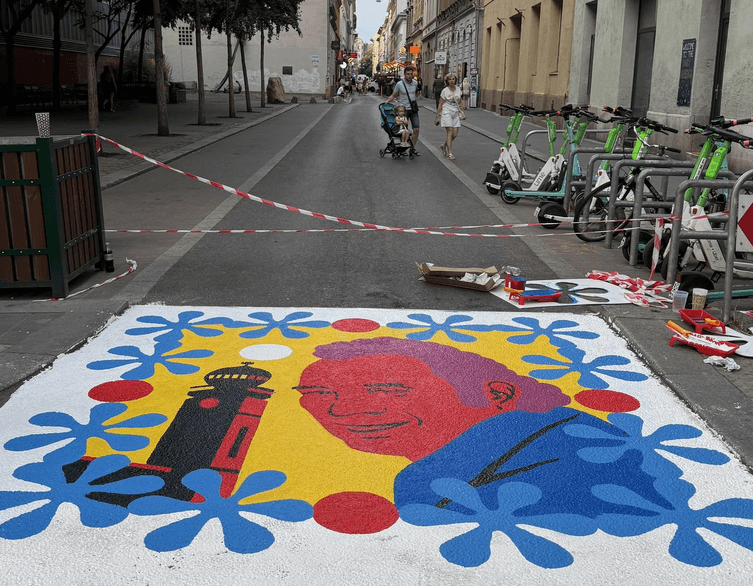
Budapest’s Downtown Transforms: New Pedestrian Streets Bring Family-Friendly Freedom to the City Center
Budapest is rolling out the red carpet for walkers, and the transformation is nothing short of spectacular. Several streets in the downtown area...