Aquincum Park in Budapest: A Greener, Smarter Way to Enjoy One of the City’s Historic Open Spaces
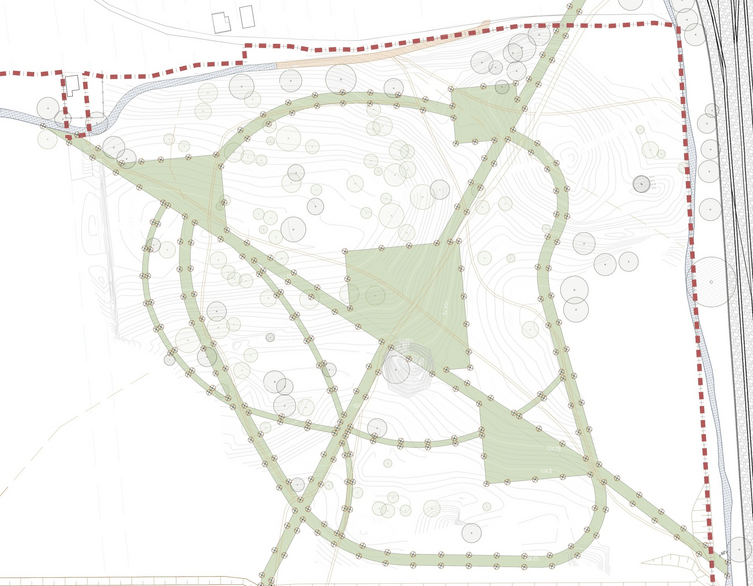
Budapest is famous for its grand architecture, thermal baths, and Danube views, but the city also offers quieter green spaces where visitors can slow down and experience a more local side of the Hungarian capital. One of these is Aquincum Park in District III, a spacious urban park near the famous Aquincum Museum and Archaeological Park in Óbuda. What makes this park especially interesting today is not only its pleasant atmosphere, but also the thoughtful and eco-friendly way it is being maintained.
If you visit Aquincum Park in spring or summer, you may notice wooden stakes marking certain parts of the grass. At first glance, these markers may look like signs of construction or groundworks, but that is not the case. In fact, they are part of Budapest’s sustainable lawn management strategy, designed to make the park more enjoyable for people while also protecting its natural and ecological value.
What the Marked Areas Mean
The marked sections in Aquincum Park identify the areas that are maintained more intensively. These are the parts of the park intended for everyday recreation, including walking, relaxing, picnicking, playing ball games, and spending time with dogs. In these zones, the grass is cut regularly and kept shorter so visitors can use the space comfortably and freely.
The remaining areas of the park are managed in a different way. Instead of being mowed frequently, these sections are allowed to grow more naturally and function as wildflower meadows. Here, plants are left to grow, bloom, and produce seeds. Only at the end of the vegetation cycle, around late September, are these areas cut back. This approach helps preserve biodiversity and creates a healthier urban ecosystem.
Best deals of Budapest










Why Budapest Is Letting Parts of the Park Grow Wild
For many foreign tourists, the sight of longer grass in a city park may seem unusual at first, especially if they are used to uniformly trimmed lawns. In Aquincum Park, however, this is a conscious environmental decision rather than neglect. The city’s park management company, FŐKERT, is continuing a sustainable grassland maintenance program that balances public use with nature protection.
By keeping some areas regularly mowed and allowing others to develop into flowering meadow-like habitats, the park supports insects, pollinators, and seed-producing native plants. This kind of ecological lawn care is becoming increasingly common in major European cities, where climate awareness and biodiversity protection are shaping urban planning. Aquincum Park is a good example of how Budapest is adapting public spaces to modern environmental needs without making them less welcoming for residents and travelers.
A Park Designed for Both People and Nature
One of the most appealing things about Aquincum Park is that it does not force visitors to choose between comfort and nature. The main pathways and open community spaces remain practical and accessible, making the park easy to enjoy for a casual walk or a laid-back afternoon outdoors. At the same time, the wilder sections add texture, seasonal color, and ecological richness to the landscape.
This dual-purpose design grew out of a community planning process launched last year, which helped define the boundaries between intensively maintained and extensively managed grass areas. In other words, the park’s current layout reflects a shared vision of how urban green spaces can serve both social and environmental goals.
For visitors, this means the park offers more than just a lawn and a few paths. It becomes a living example of contemporary urban sustainability, where park maintenance itself tells a story about the city’s priorities.
What Tourists Should Know Before Visiting
If you are exploring the Óbuda area, Aquincum Park is worth a stop, especially if you enjoy quieter places away from the busiest tourist routes. The park sits close to the Aquincum Museum, one of Budapest’s most important Roman heritage sites, so the two can easily be combined into a relaxed half-day outing. After discovering the remains of the ancient Roman settlement of Aquincum, a walk through the neighboring green space feels like a natural continuation of the experience.
The best time to notice the park’s changing landscape is from spring through early autumn. By late April, the intensively maintained zones are usually clearly defined, while the more natural areas begin to develop into flowering grasslands as the season progresses. By summer, the contrast between the neatly cut recreation areas and the taller meadow sections becomes especially visible.
Visitors should not be concerned if some parts of the park look less manicured than others. This is intentional and part of the city’s ecological maintenance strategy. The wooden stakes are there to mark the edges of the mowed areas and help guide future upkeep, not to signal upcoming construction.
Aquincum Park as Part of a More Sustainable Budapest
Budapest has been paying increasing attention to greener and more nature-friendly urban solutions, and Aquincum Park reflects this wider shift. Sustainable grass management may sound like a small detail, but in practice it changes how a city feels, functions, and responds to environmental challenges. It can improve habitat quality, reduce unnecessary mowing, support urban wildlife, and make public parks more resilient.
For travelers, these changes also offer a more authentic view of Budapest as a living city rather than simply a collection of landmarks. Seeing how local authorities manage parks, protect biodiversity, and involve communities in planning reveals another side of the capital that many guidebooks overlook.
A Relaxed Stop in Óbuda
Aquincum Park may not be as internationally famous as Heroes’ Square or Buda Castle, but that is part of its charm. It offers space, calm, and a refreshing connection to both history and nature. For tourists who want to discover a more local, less crowded Budapest, it is an appealing place to walk, rest, and observe how the city is embracing a more sustainable future.
If you are already heading to the Aquincum Museum or exploring Óbuda, take a little extra time for the park. What looks at first like a simple patch of urban green turns out to be a thoughtful public space where recreation, biodiversity, and smart city planning come together in a very Budapest way.
Related news

Unveiling a 1,700-Year-Old Roman Sarcophagus: A Glimpse into Ancient Budapest
A hidden corner of Budapest has revealed one of the city’s most captivating archaeological discoveries in recent years—a remarkably well-preserved...
Budapest’s Hidden Roman Treasure: Aquincum’s Western Archaeological Park Plans Unveiled
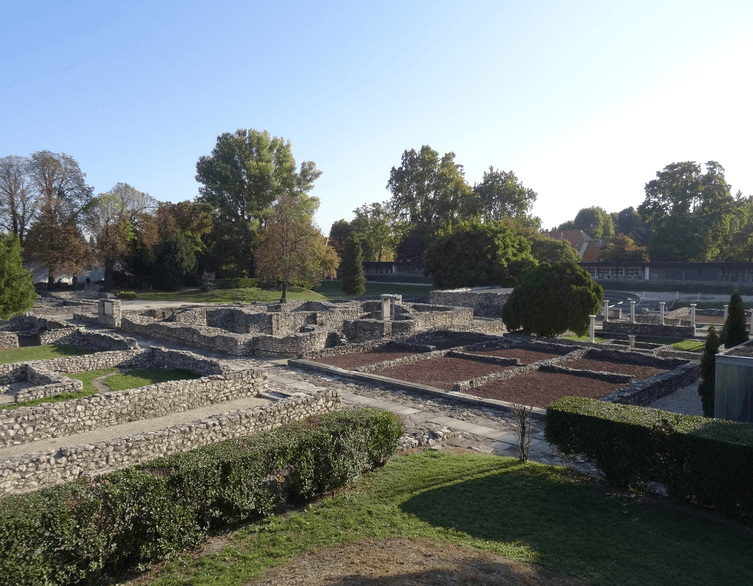
Budapest is about to reveal one of its best-kept archaeological secrets, and it’s happening right under visitors’ noses. The area across...
Discovering Ancient Mysteries: The Mithras Sanctuary Unearthed in Budapest’s Aquincum
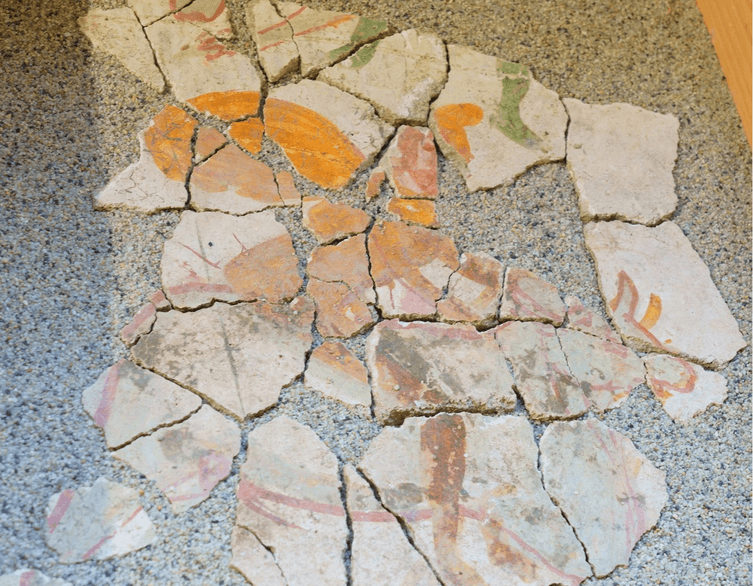
If you think Budapest is just about thermal baths, ruin bars, and grand architecture, prepare to add “Roman mystery cults” to your list of must-see...
Related events
Related attractions