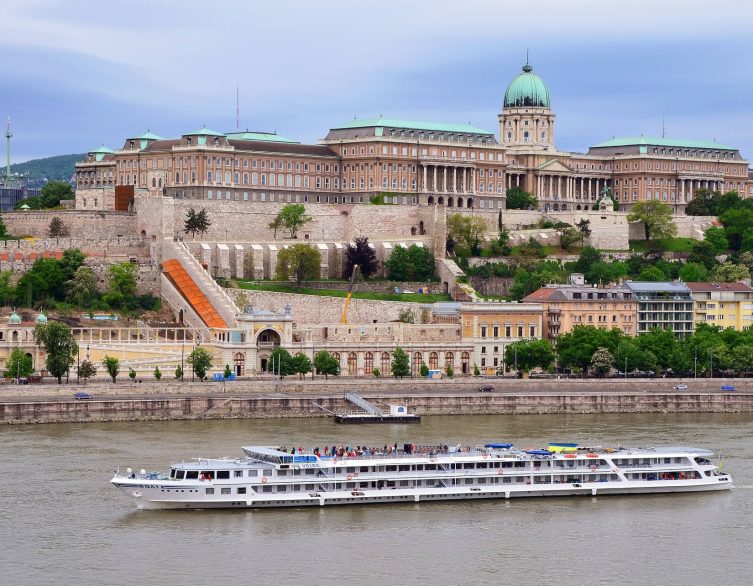
Buda Castle District Puts Airbnb’s Future to a Public Vote — What It Means for Your Budapest Trip
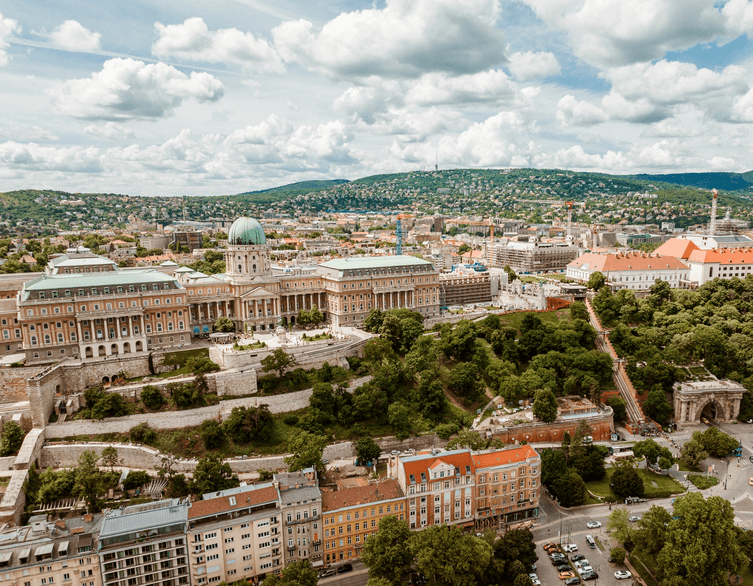
If you’re dreaming of waking up in a cozy apartment just steps from Buda Castle, Fisherman’s Bastion, or Matthias Church, pay close attention: the future of short-term rentals in Budapest’s historic Castle District is now in the hands of the people who live there. The local government of District I, known as Budavár or the Buda Castle District, has launched an opinion poll asking residents whether Airbnb-style accommodations should be banned outright or allowed to continue under stricter rules. For travelers planning a visit to one of Budapest’s most iconic neighborhoods, this decision could shape where you’re able to book a stay in the months and years ahead.
Why the Castle District Is Voting Now
The timing isn’t random. A nationwide moratorium that has frozen new registrations for short-term rental properties across Budapest is set to expire at the end of this year. Once that freeze lifts, every district will need its own clear rules on how short-term letting can operate going forward, and the Castle District is no exception. Given how central this neighborhood is to Budapest’s tourism scene, local officials decided the decision shouldn’t be made without hearing directly from the people who actually live within the Castle walls and the surrounding streets.
District I Mayor László Böröcz explained the reasoning in a public statement, noting that the Airbnb debate involves genuinely different, equally valid interests on both sides. He said that as mayor, he believes decisions of this magnitude shouldn’t be made over the heads of local residents. His goal, he added, is to keep Budavár a living, lovable residential neighborhood while recognizing that tourism and short-term rentals matter enormously to many local families and small businesses.
Best deals of Budapest











What Residents Are Actually Being Asked
The poll isn’t a simple yes-or-no on tourism itself; it’s more nuanced than that. Eligible voters, meaning adult residents with a permanent address in District I, are being asked two separate questions. The first asks whether they support a complete ban on short-term rentals like Airbnb in the district. The second only comes into play if the answer to the first is no: it asks whether residents would support the local government attaching specific conditions and restrictions to short-term rental operations rather than banning them entirely.
This two-tiered approach gives the district flexibility. Depending on how the votes break down, officials could end up crafting rules tailored to specific pockets of the neighborhood rather than applying a single blanket policy across the whole area. According to the municipality, the district currently has more than four hundred licensed private accommodations and other short-term lodging operations, a substantial share of the district’s overall tourist bed capacity given how compact the Castle District actually is.
The Airbnb Tug-of-War in Budapest’s Heart
It’s easy to see why this issue is so charged. Short-term rentals bring real tourism revenue into a district that thrives on visitors exploring the Royal Palace, the Hungarian National Gallery, and the cobblestone lanes around Trinity Square. Cafés, souvenir shops, and restaurants in the area benefit when tourists stay close by rather than commuting in from other parts of the city. At the same time, longtime residents living in historic apartment buildings have raised concerns about noise, wear on shared building infrastructure, security, and the slow erosion of a stable residential community in favor of a rotating cast of short-stay guests.
This tension isn’t unique to the Castle District. Budapest as a whole has been grappling with how to balance its status as one of Europe’s most visited cities with the everyday needs of people who actually live downtown.
Lessons From Terézváros: A Cautionary Precedent
Travelers who’ve been researching Budapest accommodations recently may already be familiar with what happened in Terézváros, District VI, home to the Hungarian State Opera House and the upper stretch of Andrássy Avenue. Terézváros held its own resident vote back in 2024, and the outcome was decisive: as of January 1, 2026, short-term rentals were banned there completely. Not capped, not restricted to a certain number of nights per year, but reduced to zero. Hungary’s Supreme Court upheld the regulation after a legal challenge, and enforcement is now active, with inspections targeting properties still operating illegally on platforms like Airbnb and Booking.com.
The practical upshot for anyone booking a Budapest trip is straightforward: if a listing is located in Terézváros, particularly near Andrássy Avenue, the Opera House, or Oktogon, that stay is not legal and could be canceled without warning. Travelers who unknowingly book in that district have found themselves scrambling for last-minute hotel rooms. It’s a useful reminder that Budapest’s short-term rental rules can vary dramatically from one district to the next, and what’s allowed in one neighborhood may be completely prohibited a few streets away.
Whether the Castle District follows Terézváros’s lead toward an outright ban, opts for a lighter-touch conditional model, or ends up with a hybrid approach split by sub-area is genuinely an open question right now. The vote’s outcome will likely influence how other central districts, several of which are watching this process closely, approach their own upcoming regulatory decisions once the citywide moratorium lifts.
Planning a Visit to the Castle District Today
None of this affects travelers with immediate plans, since existing short-term rental businesses in District I continue operating normally while the poll is underway and any new regulation is drafted. If you’re visiting Buda Castle Hill this year, hotels, guesthouses, and the more than four hundred currently licensed private accommodations remain fully bookable. That said, it’s smart to build in a little extra diligence when reserving an apartment-style stay in this part of Budapest for later in 2026 or beyond. Confirm that a listing has a valid registration number, read recent reviews for any mention of disruptions, and consider keeping a backup hotel option in mind if you’re booking a private apartment far in advance.
Regardless of how the regulation eventually shakes out, the Castle District itself isn’t going anywhere. Its cobbled streets, panoramic Danube views from Fisherman’s Bastion, and centuries of Hungarian history will remain just as captivating for visitors. What may change is simply the type of roof you’ll be sleeping under while you explore it, so it’s worth keeping an eye on how this vote unfolds before you finalize your next Budapest itinerary.
Related news
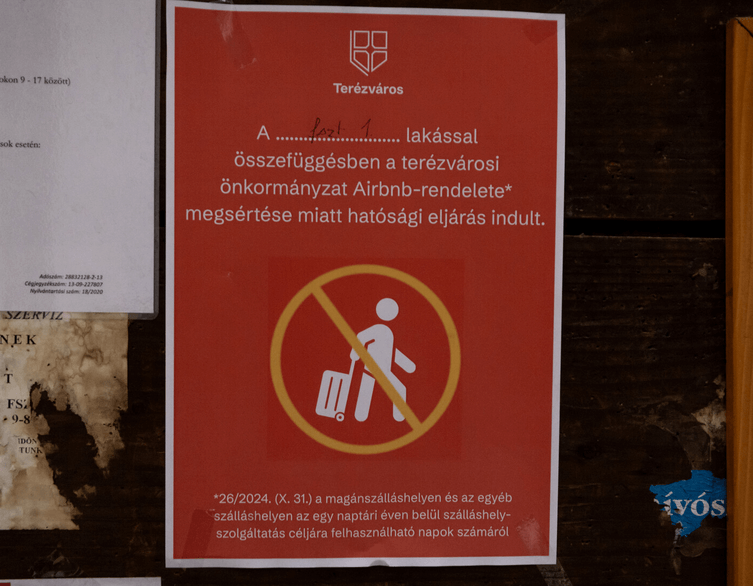
Terézváros’ Airbnb Ban One Year On: Lower Rents and What It Means for Your Budapest Stay
If you’ve been apartment hunting for your Budapest trip and noticed that the elegant streets around Andrássy Avenue have far fewer short-term...

Budapest’s Airbnb Rules Are Changing Fast: What Tourists Need to Know About the New EU Housing Law
If you’re planning a trip to Budapest and hoping to book a short-term apartment rental, there’s important news you should factor into...
Budapest’s Airbnb Rules Are Shifting: What It Means for Your Next Stay
If you’re planning a trip to Budapest and eyeing a cozy apartment rental instead of a hotel, there’s a quiet but important shift happening...
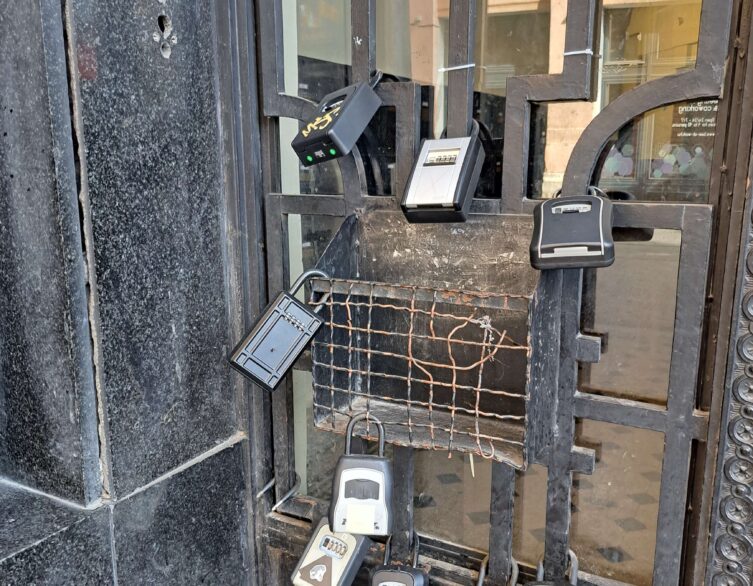
Józsefváros Is Cracking Down on Airbnb: What Tourists Need to Know Before They Book
If you’re planning a trip to Budapest and considering an Airbnb, there’s some news worth knowing about. The Hungarian capital is quietly...
Airbnb in Budapest: What Terézváros’ 2026 Ban Means for Tourists
Budapest’s vibrant inner districts have long been a favorite among travelers, offering historic streets, lively nightlife, and easy access to iconic...
Budapest’s 8th District Is Putting the Brakes on Airbnb
If you’ve ever booked a cozy apartment in Budapest through Airbnb or Booking.com, you’ve probably stayed in one of the city’s inner...
How Budapest’s Airbnb Rules Are Changing – What Tourists Need To Know
Budapest is famous for its romantic riverside views, ruin bars and grand cafés – but for many visitors, short‑term rentals like Airbnb have...
Budapest Airbnb Crackdown: What Foreign Tourists Need to Know About Staying in District VI from 2026
Picture this: you’re scrolling through Airbnb for your dream Budapest getaway, eyeing that chic apartment on Király Street in the heart of...
Related attractions