Terézváros’ Airbnb Ban One Year On: Lower Rents and What It Means for Your Budapest Stay
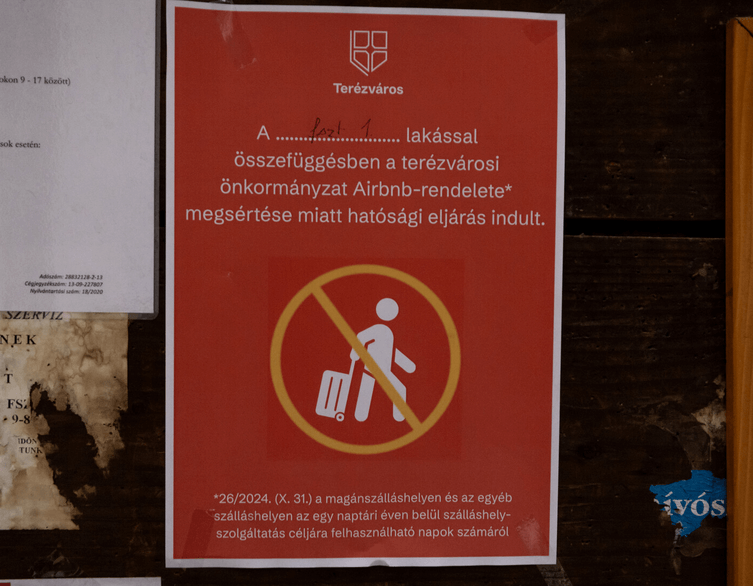
If you’ve been apartment hunting for your Budapest trip and noticed that the elegant streets around Andrássy Avenue have far fewer short-term rental listings than they used to, you’re not imagining it. Terézváros, Budapest’s sixth district, banned short-term rentals like Airbnb completely as of January 1, 2026, becoming the first neighborhood in Hungary to do so. Nearly a year later, the district’s mayor says the numbers prove the policy is working exactly as intended, and the effects are worth understanding whether you’re booking a place to stay or just curious about how the city is changing.
What the Mayor Announced
Tamás Soproni, the mayor of Terézváros, shared fresh data on Facebook showing that the supply of long-term rental apartments in the district has grown by 32 percent since the ban took effect. Even more strikingly, average rents have actually dropped, from around 300,000 forints a month down to 280,000, at a time when rents across Budapest as a whole have risen by roughly 5 percent. In a city where housing costs have been climbing relentlessly for years, a district-wide drop in rent is a rare and notable development, and Soproni was quick to credit the short-term rental ban as a major driver.
The mayor was careful to note that banning tourist rentals in apartment buildings alone won’t solve Budapest’s housing crisis on its own. Alongside the ban, the district government has been renovating roughly thirty run-down, previously vacant municipal rental units every year, and it’s rewriting local zoning rules so that any building that has served a residential function in recent years can no longer be converted into a hotel going forward. Soproni summed it up by saying there’s no single silver bullet for the housing crisis, just a series of reinforcing decisions needed to keep more apartments serving as actual homes rather than tourist accommodation.
Best deals of Budapest








The Backstory Behind the Ban
The ban didn’t happen overnight. Local residents voted on the measure in a district referendum back in 2024, and after Hungary’s Supreme Court upheld its legality in November 2025, the rule officially came into force at the start of 2026. Under the ordinance, the number of nights any private apartment in Terézváros can legally be rented out short-term is set at exactly zero, which is a far stricter approach than simply capping the number of listings. From this point on, only hotels, licensed guesthouses, and registered hostels are allowed to host overnight visitors in the district, meaning that neighborhood is now off-limits for anyone searching Airbnb or Booking.com for an apartment stay.
That hasn’t stopped everyone from trying to get around it. Some property owners have reportedly reclassified their apartments, floors, or entire buildings as guesthouses or hotels in order to keep renting them out short-term, and earlier reporting found that a number of these newly registered guesthouses and hostels received their operating licenses right around the time the ban was being finalized. A monitoring platform called GuestGuru has also flagged a serious compliance problem across the wider Budapest market: roughly a third of Airbnb and Booking.com listings in the city carry a missing, incorrect, or mismatched official tourism registration number, the kind of red tape detail most travelers never think to check. In one striking example, investigators found a listing in downtown Budapest using a registration number that actually belonged to a property at Lake Balaton. GuestGuru identified around 700 listings across the city they consider highly likely to be operating illegally and passed that list on to municipal authorities, arguing that cracking down on rule-breakers should come before rolling out blanket bans that also catch legitimate operators in the net.
What This Means for Travelers
For anyone planning a Budapest getaway, the practical takeaway is simple: don’t book a private apartment in Terézváros, since any such listing you find is either illegal or a workaround dressed up as something else. This is worth knowing because Terézváros happens to be one of the most attractive parts of the city for visitors, home to the Hungarian State Opera House, Andrássy Avenue’s grand boulevard, and a dense cluster of cafés, restaurants, and nightlife around the Oktogon and Liszt Ferenc Square. The good news is that the district’s hotels, guesthouses, and hostels remain fully open for business and are, if anything, becoming the default choice for visitors who want to stay in this part of town.
It’s also worth knowing that Terézváros isn’t acting in isolation. Budapest has run a city-wide freeze on new short-term rental registrations since January 2025 that continues through the end of 2026, and other central districts have introduced their own restrictions, including Józsefváros, which is capping short-term rentals at a percentage of its total housing stock, and Erzsébetváros, which has tightened rules on new accommodations in residential buildings. If you’re set on an apartment-style stay rather than a hotel, districts without full bans, such as parts of Erzsébetváros or the areas around the Danube embankment, are generally still viable, though it’s always worth double-checking a listing’s registration number before booking. Whatever type of accommodation you choose, understanding these rules ahead of time will save you the headache of a canceled reservation and help you support the kind of stay that’s actually legal in the neighborhood you’ve fallen in love with.
Related news

Budapest’s Airbnb Rules Are Changing Fast: What Tourists Need to Know About the New EU Housing Law
If you’re planning a trip to Budapest and hoping to book a short-term apartment rental, there’s important news you should factor into...
Budapest’s Airbnb Rules Are Shifting: What It Means for Your Next Stay
If you’re planning a trip to Budapest and eyeing a cozy apartment rental instead of a hotel, there’s a quiet but important shift happening...
Buda Castle District Puts Airbnb’s Future to a Public Vote — What It Means for Your Budapest Trip
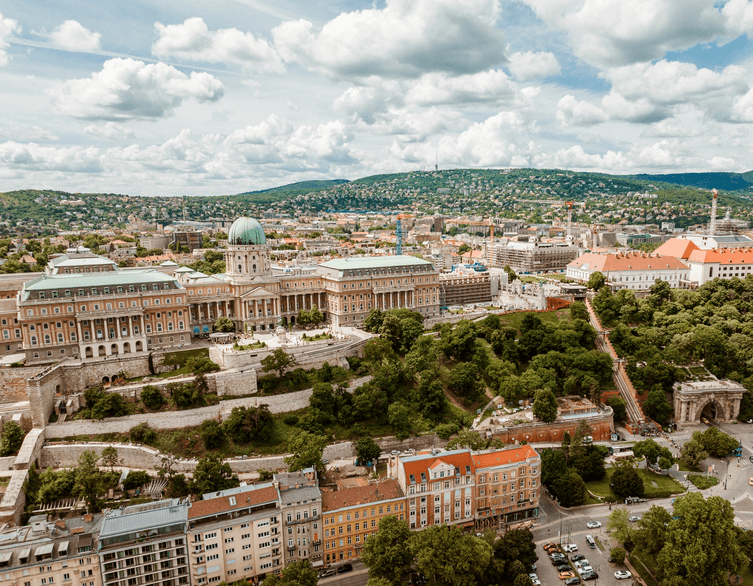
If you’re dreaming of waking up in a cozy apartment just steps from Buda Castle, Fisherman’s Bastion, or Matthias Church, pay close attention:...
Józsefváros Is Cracking Down on Airbnb: What Tourists Need to Know Before They Book
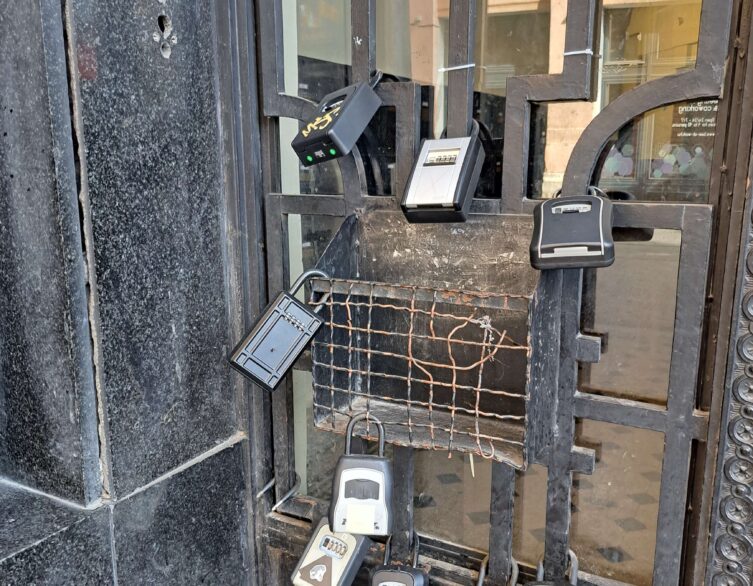
If you’re planning a trip to Budapest and considering an Airbnb, there’s some news worth knowing about. The Hungarian capital is quietly...
Airbnb in Budapest: What Terézváros’ 2026 Ban Means for Tourists
Budapest’s vibrant inner districts have long been a favorite among travelers, offering historic streets, lively nightlife, and easy access to iconic...