Budapest’s Airbnb Rules Are Shifting: What It Means for Your Next Stay

If you’re planning a trip to Budapest and eyeing a cozy apartment rental instead of a hotel, there’s a quiet but important shift happening across the city that’s worth knowing about before you book. District XIII, the leafy riverside neighborhood of Újlipótváros and Angyalföld, has just announced it’s drawing up its own rules for short-term rentals, joining a growing list of Budapest districts rethinking how Airbnb-style stays fit into daily city life. For visitors, this isn’t just bureaucratic noise, it directly affects where you can legally rent an apartment, so here’s what’s actually going on and how to plan around it with confidence.
Why District XIII Is Acting Now
Mayor József Tóth explained the district’s thinking in an interview with local broadcaster TV13: right now, only around 1,100 to 1,200 apartments in District XIII are used as short-term rentals, which doesn’t even reach 5 percent of the district’s more than 85,000 homes, a threshold generally considered the tipping point where regulation becomes urgent. So this isn’t a neighborhood in crisis. The real concern is timing. Budapest’s citywide moratorium on registering brand-new short-term rentals, in place since the start of 2025, is due to expire at the end of 2026, and several neighboring districts have already tightened their own rules significantly. Tóth’s worry is that as options dry up elsewhere, hosts and platforms will simply shift activity into Újlipótváros and Angyalföld, and he’d rather have local rules ready before that wave arrives than scramble afterward.
It’s a sensible, forward-looking move, and it mirrors a pattern playing out across the Hungarian capital this year. District VI, Terézváros, made headlines by banning short-term rentals outright from January 2026 following a resident vote, a decision the Hungarian Supreme Court later upheld. Józsefváros, District VIII, opted for a quota system instead, capping short-term rentals at around 3.5 percent of local housing after months of public consultation. And just days before District XIII’s announcement, the Castle District, District I, launched its own resident vote on whether to ban or restrict Airbnb-style stays. Budapest is essentially having a citywide conversation about tourism and housing, one district at a time.
Best deals of Budapest











What This Means If You’re Booking a Stay
Here’s the practical takeaway for travelers: short-term rentals remain completely legal and widely available in Budapest’s most popular tourist districts, including the city center (District V), the Jewish Quarter (District VII), the Palace Quarter (District VIII), and Ferencváros (District IX). District XIII, home to Újlipótváros’s Bauhaus-style streets and the industrial-turned-creative Angyalföld, also still permits rentals, and nothing changes there overnight, the district is only now starting to draft a proposal, which will go through public consultation with residents, building representatives, and experts before anything is finalized. The one area to actually avoid booking in is District VI around Andrássy Avenue and the Oktogon, where the short-term rental ban is already in force and enforcement inspections are underway.
Tóth was candid about why complaints happen where they do: it’s rarely about the rental itself, but about noise and late-night disturbances that clash with a building’s normal rhythm. That’s a useful reminder for any visitor staying in an apartment rather than a hotel, being a considerate guest, especially in shared residential buildings, goes a long way toward keeping Budapest’s neighborhoods welcoming to this kind of tourism in the first place.
Discovering Újlipótváros and Angyalföld
If District XIII does end up on your radar for a stay, it’s a genuinely charming, underrated corner of Budapest. Újlipótváros is known for its elegant early-20th-century Bauhaus architecture and a relaxed, local feel along Pozsonyi Road, lined with bakeries, wine bars, and neighborhood cafés that see far fewer tourists than the inner city. It’s also home to the quirky Pinball Museum, a favorite for visitors looking for something playful and offbeat. The district hugs the Danube directly across from Margaret Island, making it an easy walk or tram ride to the island’s parks, thermal baths, and running paths. From here, trams and the number 3 metro line connect you quickly to central Budapest, so you’re never far from the major sights even while staying somewhere quieter and more residential.
Planning Ahead for 2027 and Beyond
The bigger picture worth watching, whether you’re booking a trip for next month or next year, is that Budapest’s short-term rental landscape is likely to keep shifting through 2026 and into 2027, as the citywide moratorium approaches its expiry and more districts finalize their own approaches. If you’re the type of traveler who likes booking apartments over hotels, it’s worth checking a listing’s registration status and district rules shortly before you book, particularly if you’re eyeing accommodation outside the well-established tourist core. For now, though, none of this should discourage a Budapest trip. The city remains as walkable, affordable, and rich in things to see as ever, and with hotels, guesthouses, and plenty of legally operating apartments still available across most central districts, finding a comfortable base is easier than the regulatory headlines might suggest.
Related news
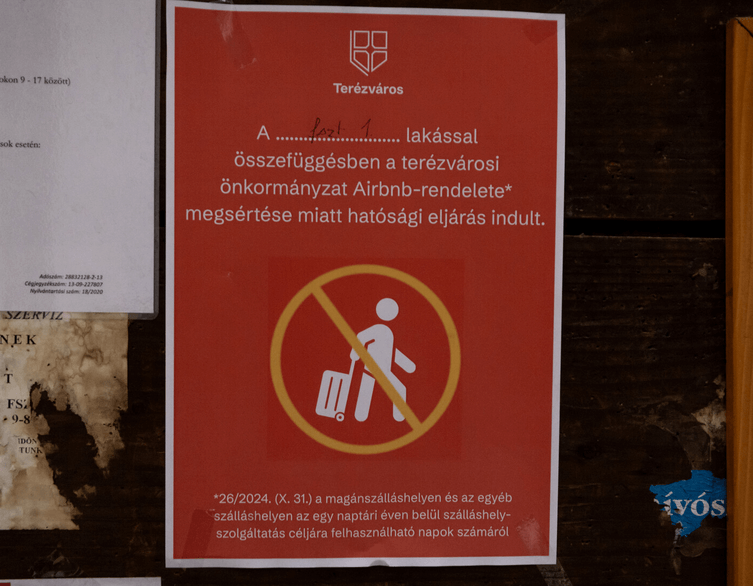
Terézváros’ Airbnb Ban One Year On: Lower Rents and What It Means for Your Budapest Stay
If you’ve been apartment hunting for your Budapest trip and noticed that the elegant streets around Andrássy Avenue have far fewer short-term...
Budapest’s Airbnb Rules Are Changing Fast: What Tourists Need to Know About the New EU Housing Law
If you’re planning a trip to Budapest and hoping to book a short-term apartment rental, there’s important news you should factor into...
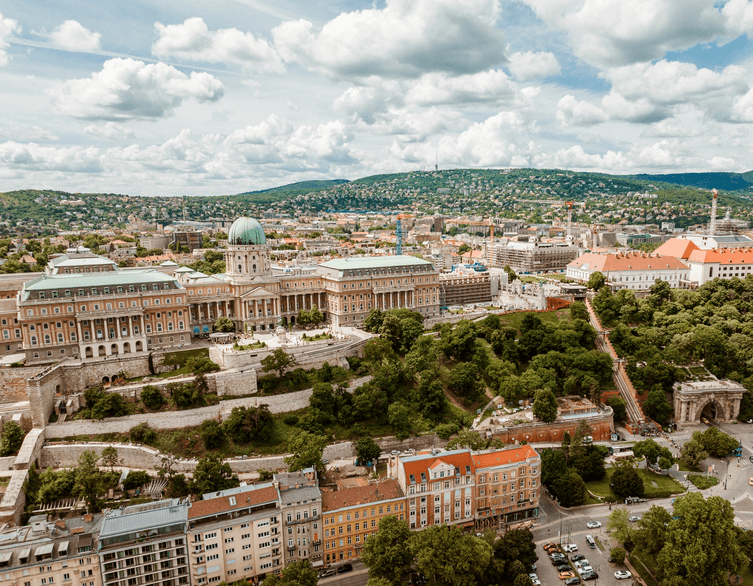
Buda Castle District Puts Airbnb’s Future to a Public Vote — What It Means for Your Budapest Trip
If you’re dreaming of waking up in a cozy apartment just steps from Buda Castle, Fisherman’s Bastion, or Matthias Church, pay close attention:...
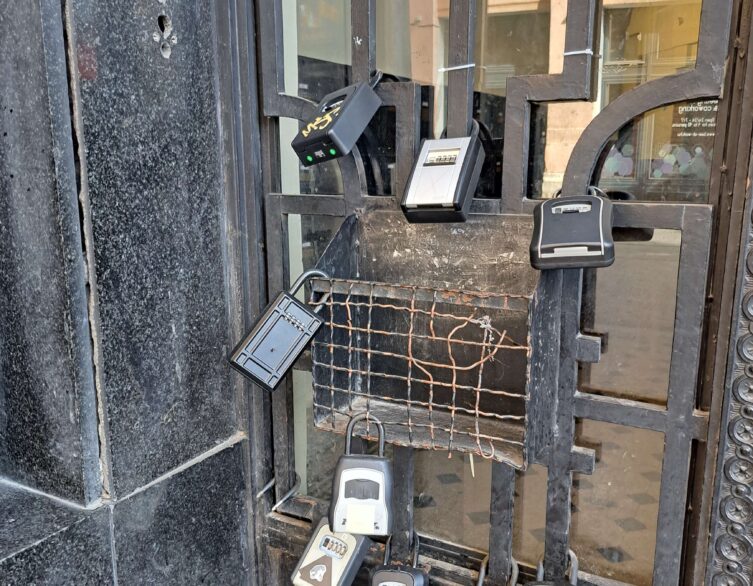
Józsefváros Is Cracking Down on Airbnb: What Tourists Need to Know Before They Book
If you’re planning a trip to Budapest and considering an Airbnb, there’s some news worth knowing about. The Hungarian capital is quietly...
Airbnb in Budapest: What Terézváros’ 2026 Ban Means for Tourists
Budapest’s vibrant inner districts have long been a favorite among travelers, offering historic streets, lively nightlife, and easy access to iconic...
How Budapest’s Airbnb Rules Are Changing – What Tourists Need To Know
Budapest is famous for its romantic riverside views, ruin bars and grand cafés – but for many visitors, short‑term rentals like Airbnb have...