Budapest Weather Alert: Thunderstorms and Scorching Heat to Know Before You Explore
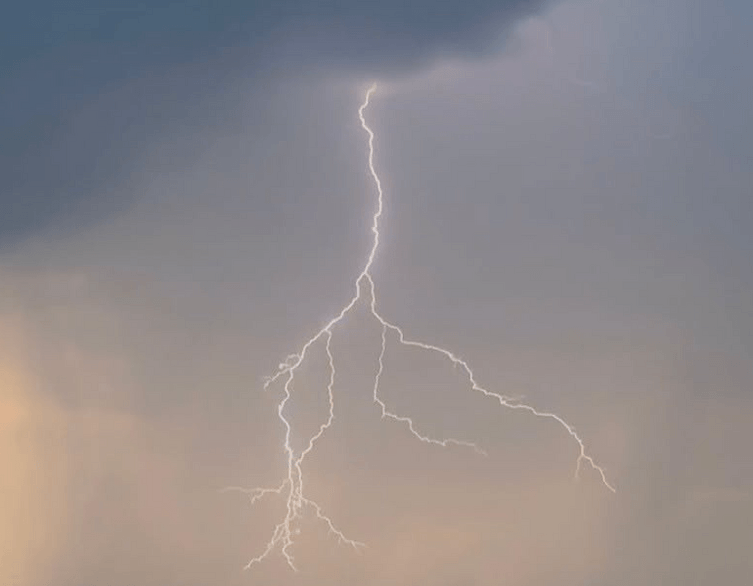
Anyone planning a day out in Budapest this week should keep half an eye on the sky. The Hungarian Meteorological Service, known locally as HungaroMet, has issued weather warnings covering ten counties and the capital itself, flagging a mix of thunderstorms, gusty winds, hail, and stubbornly high temperatures. None of this means you should cancel your sightseeing plans, but it does mean a little flexibility will go a long way, especially if your itinerary includes riverside walks, open-air terraces, or the hilltop views around Buda Castle.
What the Warnings Actually Mean
HungaroMet has placed nine counties and Budapest under a yellow alert for thunderstorm risk, while Győr-Moson-Sopron County to the west carries a more serious orange warning. In practical terms, yellow means “stay alert,” and orange means “be prepared for disruption.” The forecast describes a fairly calm start to the day across most of the country, with sunny skies broken up by veil and cumulus clouds. Conditions are expected to change from the afternoon onward, particularly in the northwest and north, where cloud formation intensifies and showers or thunderstorms become increasingly likely.
Meteorologists warn that these storms could bring strong, squally wind gusts, small hail, and intense rainfall, with an outside chance of a more powerful storm cell developing, mainly in the northwest near the Austrian border. Wind gusts during the more energetic storms are expected in the 60 to 80 km/h range, with hailstones up to 2 centimeters. In the most intense pockets, particularly close to the border in the late afternoon and early evening, gusts could strengthen to around 90 km/h with larger hail exceeding 2 centimeters. The good news for travelers based in the city center is that the heaviest activity is more likely to concentrate near the border areas rather than directly over Budapest, though a stray thunderstorm reaching the Northern Hills region in the evening hours cannot be ruled out entirely.
The Heat Is Just as Newsworthy as the Storms
While storm clouds gather in the northwest, the rest of the country is dealing with a different problem: heat. Peak temperatures are generally expected between 32 and 37 degrees Celsius, hot enough to make midday museum visits or shaded courtyard cafés far more appealing than an afternoon walk along Andrássy Avenue. A strengthening southwesterly to southerly wind should offer some relief from the heat sensation, but it is also part of what is fueling the storm risk further north.
Daily mean temperatures are forecast to climb above 25 degrees across much of the country today, and above 27 degrees in the southern regions, a threshold meteorologists use to define heatwave conditions. Looking ahead to tomorrow, the picture shifts slightly: the northwest and north should see the heat ease off, while the Southern Great Plain area holds onto the warmth, with daily averages potentially still sitting above 27 to 29 degrees.
Best deals of Budapest











How the Pattern Shifts Into Tomorrow
The thunderstorm risk does not disappear overnight, it just relocates. Heading into the next day, forecasters expect the overall likelihood of storms to drop, though isolated rumbles of thunder and flashes of lightning remain possible in a few spots. By the afternoon, a broader area becomes favorable for storm development, this time centered mainly over Transdanubia, the region west of the Danube, with a lower chance of a few cells forming over the Northern Great Plain and the Northern Hills as well.
These storms are expected to track northeast, again bringing squally gusts of 60 to 80 km/h, hail under 2 centimeters, and heavy rainfall of 10 to 20 millimeters. Transdanubia stands out as the area most at risk of severe weather, with the possibility of an organized storm system bringing extremely strong gusts over 90 to 100 km/h, larger hail above 2 centimeters, and localized downpours delivering 10 to 30 millimeters of rain in a short window. Storm activity should taper off later in the evening, although a weaker band of showers and storms may push in from the west afterward.
Practical Tips for Visitors Exploring the City
If you are wandering around landmarks like Fisherman’s Bastion, the Chain Bridge, or the Great Market Hall over the next couple of days, it is worth building in some flexibility. Morning hours tend to stay drier and calmer almost everywhere, making them a smart window for outdoor sightseeing, river cruises on the Danube, or a visit to the Hungarian Parliament Building’s exterior grounds. Afternoons are when conditions turn more unpredictable, so keeping a rain jacket or a compact umbrella in your bag is a sensible move, along with checking a live radar app before heading out.
Given the heat, staying hydrated matters just as much as staying dry. Budapest’s famous thermal baths, such as Széchenyi or Gellért, are a genuinely enjoyable way to beat the heat while doing something quintessentially local, and many of the city’s covered markets, museums, and shopping arcades offer air-conditioned breaks between outdoor stops. If thunder does roll in, it is best to avoid open, exposed areas like Heroes’ Square or the paths around Margaret Island, and instead seek shelter in a café or one of the city’s many ruin bars until the worst of it passes.
Bottom Line for Your Budapest Trip
None of these warnings should derail a Budapest getaway. Storms of this kind are typical for a Central European summer, and they usually pass through in a matter of hours rather than lingering for days. The smartest approach is simply to front-load your outdoor plans earlier in the day, keep a weather app handy for real-time updates, and treat any afternoon storm as a good excuse to duck into a bakery, wine bar, or bathhouse until the sky clears again.
Related news

St. Stephen’s Day Fireworks Meet a Level 2 Heat Alert
Budapest is gearing up for its biggest weekend of the year, and it’s arriving with a side of serious summer heat. From Thursday, August 20...

St. Stephen’s Day in Budapest 2026: Your Complete Visitor Guide
If you happen to be in Budapest around August 20, consider yourself lucky, because you’ve landed right in the middle of Hungary’s biggest...

Budapest Heatwave Guide: How to Stay Safe as the Alert Level Eases
If you’re packing your bags for Budapest this month, there’s some good news mixed in with a reminder to stay alert: Hungarian health...

Beating the Budapest Heat: Mist Gates Are Your Friend, Fountains Are Not
When Budapest’s summer temperatures climb toward the 35°C to 40°C range (95°F to 104°F), the city doesn’t just leave you to fend...

Staying Cool in Budapest: Everything You Need to Know During the Heatwave
Budapest is brilliant in summer — but this weekend, the heat is no joke. A second-level heat alert is in effect across Hungary from June 20 through...
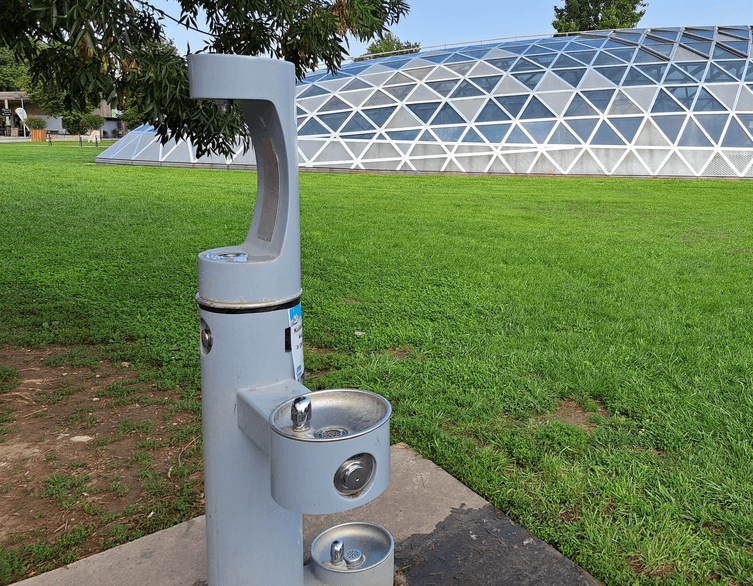
Stay Hydrated in Budapest: Free Drinking Water Fountains You Need to Know About
Budapest is a city made for exploring on foot. From the cobblestone streets of the Castle District to the buzzing ruin bars of the Jewish Quarter,...