Sziget Festival’s Leftover Tents Get a Second Life Helping Those in Need

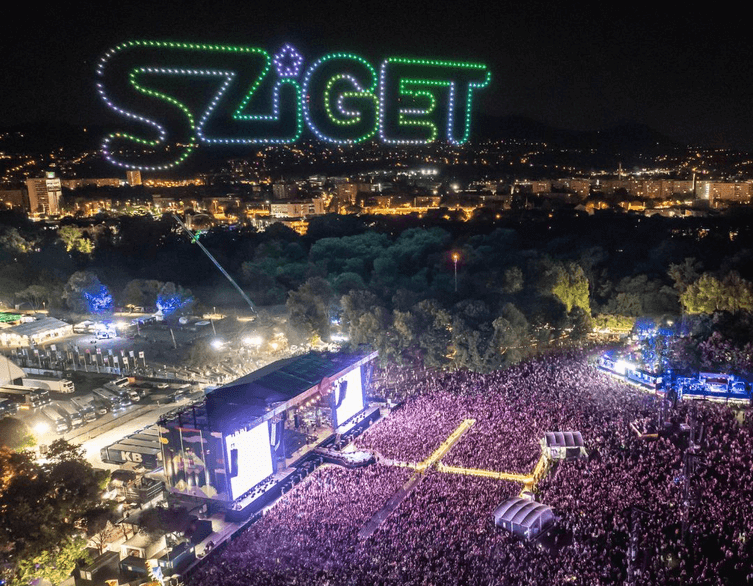
If you wandered around Budapest in the days after Sziget Festival wrapped up, you might have wondered what happens to the sea of tents, mattresses, and camping gear left behind on Óbuda Island once the music stops. The answer, as it turns out, is a genuinely heartwarming one, and it says a lot about the community spirit that lives alongside Budapest’s biggest party of the year.
The Hungarian Maltese Charity Service (Magyar Máltai Szeretetszolgálat) announced this week that it once again swept through the festival grounds after this year’s edition of Sziget closed, collecting everything usable that departing visitors left behind. The haul was impressive: 190 tents, 140 chairs, 200 mattresses, 80 sleeping bags, 50 tarpaulins, plus a long list of foam insulation mats, towels, pillows, and tables. All told, roughly 1,400 items were rescued from the island and given a new purpose.
A Six-Hour Sweep of Óbuda Island
Volunteers from the charity, working closely with the festival’s organizers, combed through the entire Sziget site in just six hours after the gates closed. This isn’t a one-off effort. The partnership between the Maltese Charity Service and the festival dates back to 2018, and every summer since, the same routine plays out: as soon as the last festivalgoers head for the ferries and buses home, teams of volunteers move in to salvage anything still in good condition before it ends up as landfill waste.
For anyone visiting Budapest and wondering what actually happens to a festival site the size of a small town once it empties out, this is the answer. What looks like leftover clutter to one person becomes shelter, warmth, or a place to sleep for someone else entirely.
Where the Donated Gear Ends Up
The collected items don’t just sit in a warehouse. The charity distributes them to people in need across the whole country, and here in the Hungarian capital, three of the organization’s major homeless shelters put the gear directly to use. Some of the sturdier tents collected on the island are even set up again at the charity’s own summer camps, giving children, families, and people experiencing homelessness the chance to go camping themselves, an opportunity many of them wouldn’t otherwise have.
Best deals of Budapest











It’s a nice example of the kind of quiet, practical generosity that runs underneath Budapest’s more visible party-city reputation. Tourists who only know Sziget for its lineup and its riverside stages might be surprised to learn that the festival’s afterlife includes this kind of grassroots charity work.
Why Fewer Tents Are Being Left Behind
Interestingly, the organizers noted that campers are leaving less equipment behind than in previous years, and there’s a clear financial reason for that shift. Anyone arriving with a tent this year had to pay a 30 euro deposit at check-in. That money gets refunded at the end of the festival to anyone who either takes their tent home with them or formally hands it over as a donation rather than simply abandoning it on the grass.
One of the official checkpoints set up to process these deposit refunds was actually the Maltese Charity Service’s own collection point, and a noticeably higher share of departing visitors chose to drop off their unwanted tents there this year rather than just leaving them scattered around the campsite. It’s a small nudge in festival logistics that’s quietly reshaping how much usable gear ends up either wasted or, thankfully, redirected to people who need it.
A Festival in Transition
This year’s collection effort comes against the backdrop of a bigger story unfolding around Sziget itself. The 2026 edition marked the first year under a new ownership structure after founder Károly Gerendai reacquired the festival from Superstruct Entertainment, bringing Sziget back into local hands after nearly a decade. The festival also ran as a shortened format this year rather than its traditional full week on Óbuda Island, and turnout came in below target: roughly 350,000 to 360,000 visitors attended, short of the 400,000 goal, and down from the 416,000 who came the previous year.
Gerendai has been candid about the challenges facing the festival, noting that simply stacking a lineup with big-name headliners no longer guarantees ticket sales the way it used to. He’s spoken about the need to rebuild Sziget’s international presence, including reviving a representative network that once operated across 26 countries, while reassuring domestic fans that Hungarian audiences remain just as important to the festival’s future.
Even with a smaller crowd this year, Sziget still pulled in attendees from well over a hundred countries, a reminder of just how far its reputation reaches. For travelers planning a trip to Budapest around festival season, stories like this one, about what happens after the music ends, are worth knowing. They round out the picture of Sziget as more than just a party on an island in the Danube. It’s also, in its own way, a small but meaningful engine for local charity, one tent and one sleeping bag at a time.
Related news
Sziget Festival’s Biggest 2026 Set Is Now Free to Watch, and 2027 Tickets Are Already Moving
If you missed Sziget Festival this summer, or you were there and just want to relive it, you’re in luck. One of the most talked-about performances...

Sziget Festival 2027: How to Register Now for the Best-Priced Tickets
Sziget Festival is already looking ahead to next summer, and if you’re the kind of traveler who plans festival trips a year in advance, this...
Sziget Festival Draws Fans from 112 Countries, Even as Attendance Dips This Year
Sziget Festival has once again proven it’s one of the most genuinely international events on the planet, pulling in ticket buyers from 112...
Related events