Three Surprising Benefits of Budapest’s Thermal Baths
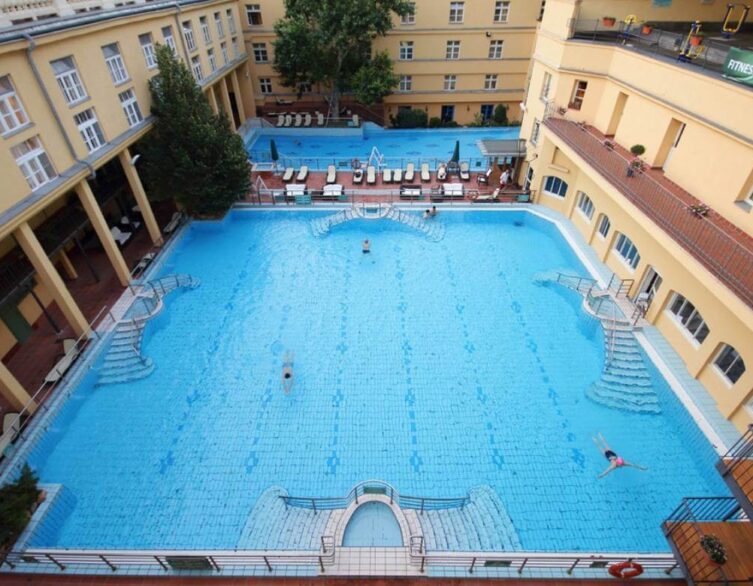
Ask any first-time visitor why they’re heading to a Budapest thermal bath, and you’ll usually hear something about sulfur, minerals, or a vague notion that “the water is good for you.” That’s true, but it’s only half the story. Hungary’s spa culture, refined over Roman aqueducts and Ottoman domes long before anyone had heard the word “wellness,” rests on more than chemistry. Some of the most valuable effects of a good soak have nothing to do with what’s dissolved in the water and everything to do with what happens when your body simply floats in warm water and lets go.
It’s worth separating the two. Hungary’s various thermal and medicinal waters genuinely differ from one another. Sulfurous waters are traditionally associated with musculoskeletal complaints, iodine-rich waters are linked to anti-inflammatory effects, and certain high-salinity springs are used for skin conditions. But underneath those specifics sits a second, more universal layer of benefits that any thermal bath delivers, regardless of its particular mineral fingerprint. Here’s what that layer actually consists of, and how to experience it for yourself in Budapest.
Moving Feels Effortless in Warm Water
The first benefit comes down to simple physics. Water’s buoyancy takes a huge amount of load off the body, so submerged up to the neck, a person effectively carries only a fraction of their usual body weight. That single fact changes everything about how movement feels. Joints that ache on dry land suddenly cooperate. Stretches that feel impossible in a gym become manageable. This is exactly why aquatic exercise classes and movement therapy are such a fixture at Hungarian medicinal baths: the water supports the body while still offering enough resistance that muscles have to work, giving a workout that’s gentler on joints but still genuinely effective.
This matters for more visitors than you’d think. Anyone carrying extra weight, recovering from an injury, or managing joint pain will notice the difference the moment they step into a warm pool. At Széchenyi Thermal Bath, Europe’s largest medicinal bathing complex in City Park, the 38°C outdoor pools are a favorite for exactly this kind of easy, low-impact movement, while the warmer indoor thermal pools, some pushing past 40°C, further loosen tight muscles before any stretching begins.
The Nervous System Gets a Break, Too
Thermal bathing isn’t only a physical experience. Time spent in warm water, especially in a calm, unhurried setting, has a genuine relaxing effect on the nervous system. The warmth appears to shift the body toward a calmer, more parasympathetic state, the physiological opposite of the fight-or-flight response that chronic stress keeps switched on. A quiet environment amplifies this: low noise, clean air, and the absence of anywhere to rush off to all help the body properly downshift.
Best deals of Budapest







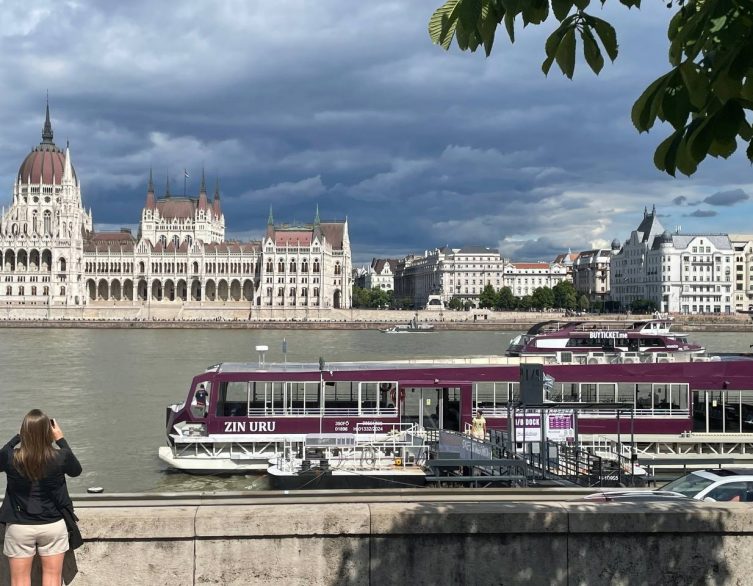
This is not a minor side benefit. Long-term stress affects nearly every system in the body, and while a single afternoon at the baths won’t undo months of tension, regular downtime like this is a meaningful part of a healthier lifestyle. It’s also why Rudas Baths, the atmospheric Ottoman-era bath dating back to the 1550s, works so well for this kind of reset. Its octagonal central pool sits beneath a centuries-old domed ceiling pierced with star-shaped openings that scatter light across the steam, and the hush of the place does a lot of the relaxing before the warm water even gets involved. Weekend night bathing sessions, when the lights dim and the rooftop pool looks out over the Danube and Liberty Bridge, take that calming effect even further.
A Full-Body Workout Without the Impact
The third benefit is movement itself, just delivered through a different medium. Thermal baths aren’t only for floating quietly; walking laps, water aerobics, stretching routines, and therapeutic exercises all put the body to work, but in a way dry-land exercise can’t replicate. Buoyancy removes stress from the joints while the water’s natural resistance forces muscles to engage with every stroke or step. The result is a workout that’s kinder to the skeleton yet still builds and maintains muscle tone.
Regular movement of this kind supports overall fitness in ways that go well beyond a single vacation. It can help maintain muscle condition, support healthy circulation, and gradually improve the body’s capacity for physical activity. Lukács Thermal Bath, tucked into the Buda hills and long favored by locals over tourists, is where this therapeutic side of Hungarian bathing culture is most visible. It has operated a dedicated medical section since 1894, and its walls are still lined with plaques from grateful patients. Visiting on a weekday morning, alongside pensioners doing their laps and physiotherapy patients following doctor-prescribed routines, offers a completely different atmosphere from the postcard version of Budapest bathing.
Choosing Your Bath and Timing It Right
Because these three benefits come from water itself rather than any single mineral profile, they’re available at virtually every thermal bath in the city, which makes choosing where to go more about atmosphere and logistics than chemistry. Széchenyi remains the postcard experience, its yellow Neo-Baroque facade and 18 pools drawing large crowds, so arriving right at opening on a weekday morning is the best way to enjoy the outdoor pools in relative peace. Rudas suits travelers chasing history and views, particularly at sunset or during Friday and Saturday night bathing. Lukács is the pick for anyone wanting a slower, more local pace at a noticeably lower price. One important note for anyone building an itinerary around the famous Art Nouveau Gellért Baths: the building closed in October 2025 for a multi-year renovation and is not accepting visitors, so Rudas, just a short walk away on the Buda side, makes a natural substitute.
A few practical habits make any bath visit more comfortable. Bring a proper swimsuit and your own towel, since rental has largely disappeared from Budapest’s baths post-pandemic. Pack flip-flops for the wet stone floors, and carry a water bottle, since the heat dehydrates the body faster than most people expect. Starting in a cooler pool around 34–36°C before working up to the hottest ones helps the body ease into the heat gradually, and most visitors find that two to three hours is plenty for one session. Whichever bath ends up on the itinerary, the real takeaway is this: the mineral content might be what gets written on the brochure, but the buoyancy, the calm, and the gentle full-body movement are what make Budapest’s thermal baths feel like such a complete experience, no special water chemistry required.
Related news
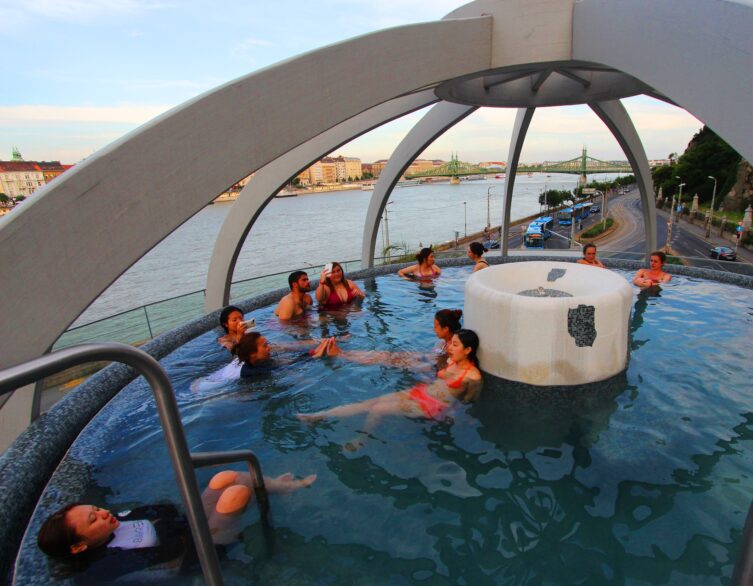
The Rise of Radon Thermal Baths in Budapest
Budapest has long been famous for its thermal baths, but in recent years a more specific trend has emerged: more and more visitors are seeking out...
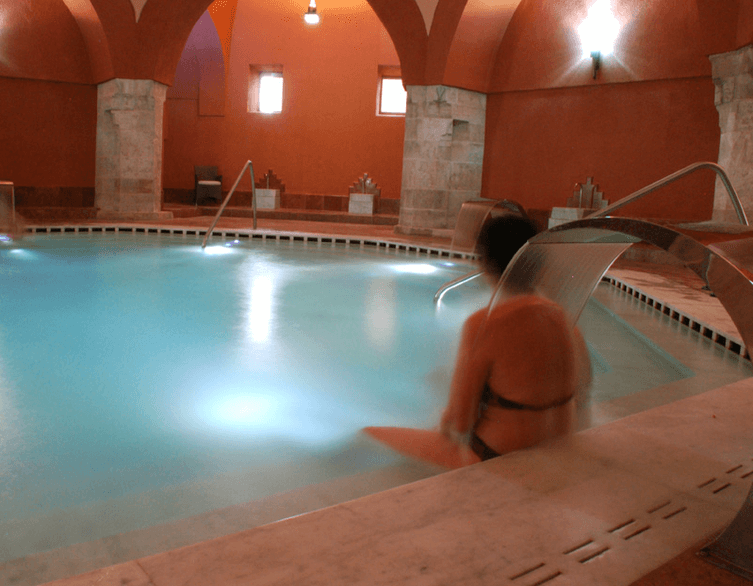
Budapest’s Hidden Thermal Gem: Discovering the Historic Veli Bej Bath
Veli Bej Bath Reopens September 5th After Summer Maintenance Great news for thermal bath enthusiasts visiting Budapest in early September! Veli Bej...
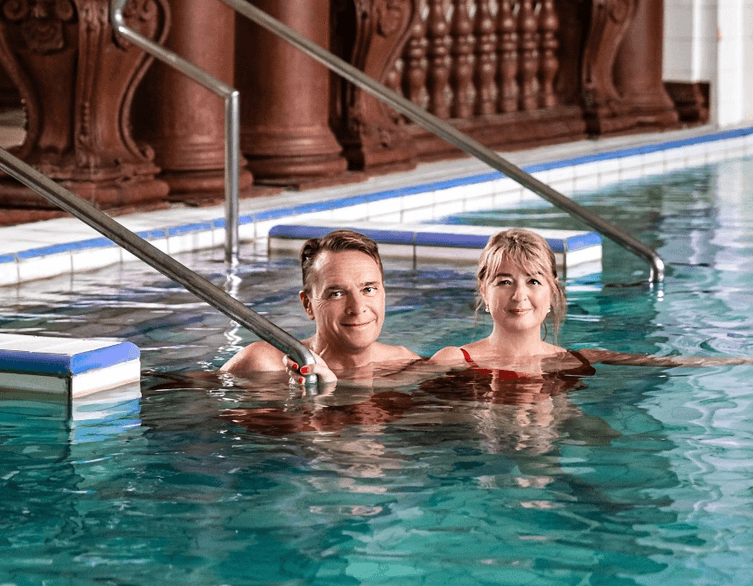
Budapest’s Healing Waters: Your Stress-Busting Guide to Hungary’s Thermal Treasures
So, you’ve made it to Budapest – congratulations! You’re about to discover one of the world’s best-kept secrets for melting away...
Related attractions
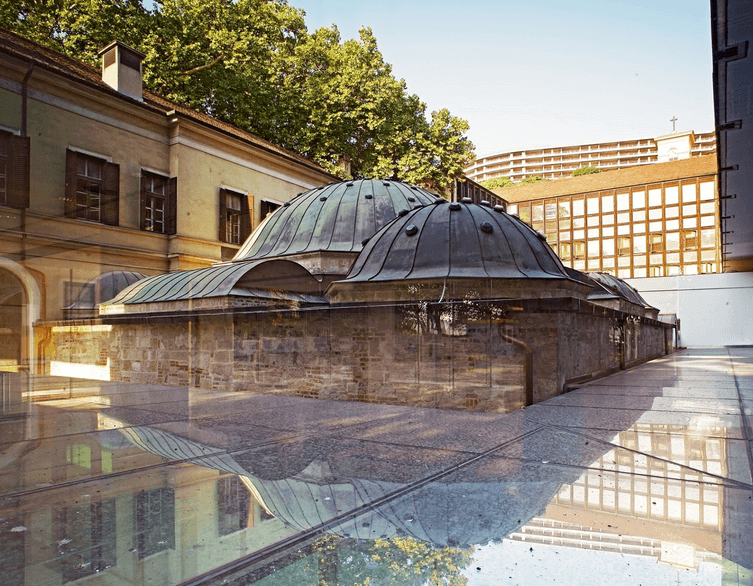
The Veli Bej Turkish Baths: Budapest’s Hidden Ottoman Jewel
Step into a world where history meets healing, where Ottoman elegance flows alongside thermal springs, and where centuries-old traditions offer modern...

Lukács Bath: From The Ancient Romans To The Modern Day Thermal Bath Culture
The Lukács Bath is one of the oldest and most renowned thermal baths in Budapest, Hungary. Located in the Buda side of the city, near the Danube...
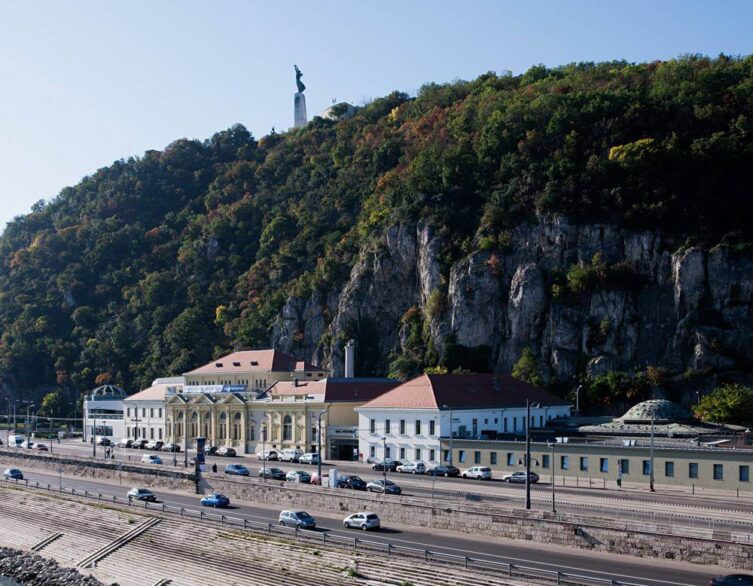
Rudas Bath: A Historic Thermal Oasis in the Heart of Budapest
The Rudas Bath, located at the foot of Gellért Hill in Budapest, is one of the city’s most iconic and historic thermal baths. With a history...
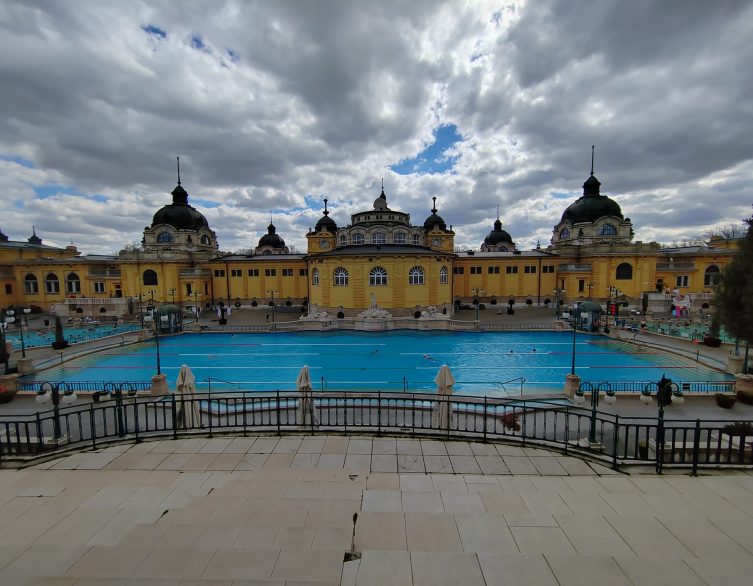
Széchenyi Thermal Bath: Budapest’s aquatic gem
The Széchenyi Thermal Bath, located in the heart of Budapest city, is one of the largest and most iconic thermal baths in Europe. Boasting an impressive...