Inktober Inspo from Budapest: 8. stinky

Budapest’s thermal baths have excellent public relations. Magnificent architecture? Absolutely. A relaxing soak after a day of sightseeing? Certainly. Water that occasionally smells as though an egg has made some questionable life choices? Somehow, that part rarely makes the postcard.
For an unexpected take on the Inktober prompt “stinky,” head to Rudas Thermal Bath in Budapest. Its historic pools offer a wonderfully atmospheric setting for inspiration—and a reminder that nature’s spa treatments do not necessarily come scented with lavender.
Why thermal water smells funny
That distinctive rotten-egg smell associated with sulfurous thermal water comes from hydrogen sulfide, a naturally occurring gas that your nose can detect even in tiny amounts. As groundwater travels underground, interactions with rocks and naturally occurring chemical and biological processes can introduce dissolved sulfur compounds. When hydrogen sulfide escapes from the water into the air, your nose gets the announcement.
So, that sulfurous whiff is not, by itself, a sign that somebody forgot to clean the pool. It can be part of the water’s natural chemistry. Visitors to Rudas have described a faint sulfur scent in its historic bathing area—although how noticeable it feels is rather dependent on your nose. Some people register “interesting mineral water”; others immediately begin investigating the whereabouts of breakfast.
There is an important distinction here: sulfate, which appears in Rudas’s official mineral composition, is not the same thing as the odor-producing gas hydrogen sulfide. And a stronger smell does not mean a stronger treatment. Your nostrils are many things, but a medical testing laboratory is not one of them.
The secret beneath Rudas Bath
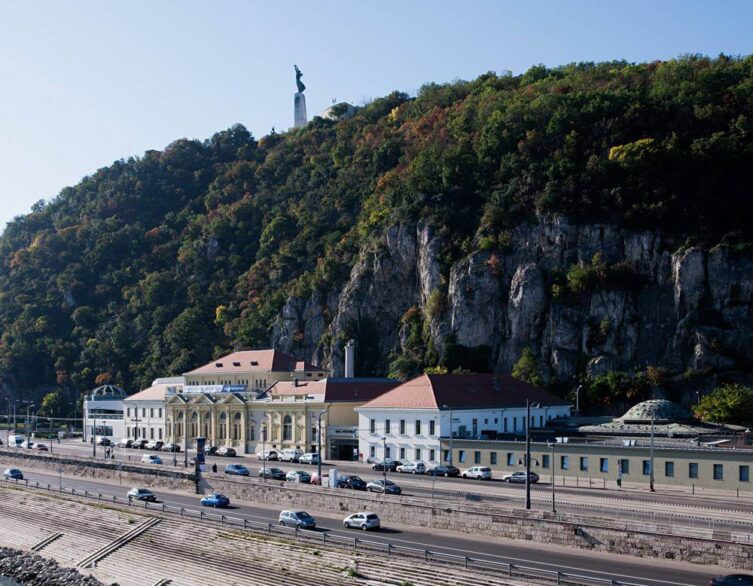
While you are admiring the ceiling, something equally interesting is happening out of sight. Rudas stands on the Buda side of the Danube, below Gellért Hill, in an area associated with 21 thermal springs. The bath’s story is therefore not just about what people built above ground, but also about the natural hot-water resources beneath and around it.
Think of the building as the handsome front-of-house operation. Underground, nature handles the plumbing.
The water brings a mineral calling card with it. Rudas officially describes its thermal water as containing calcium, magnesium, bicarbonate, sodium and sulfate, with a significant fluoride-ion content. That is a rather more complicated recipe than “hot water, add bubbles”—and one reason Budapest’s thermal bathing tradition is about more than simply warming up.
You cannot watch those underground processes while bathing. Still, it is a pleasing thought: while you temporarily abandon your sightseeing schedule, the geology has not taken the afternoon off.
A soak beneath Ottoman history
Rudas’s Turkish bath dates from the 16th century, during Ottoman rule. Its central octagonal pool sits beneath a dome approximately ten metres across, supported by eight pillars. For travellers interested in Budapest’s historic baths, this is a setting with genuine architectural substance—not a recently installed “ancient spa experience” beside the hotel breakfast room.
It also happens to be excellent drawing material. The dome, arches and repeating columns give you a strong composition before you have even uncapped your pen. Add drifting steam, a few relaxed bathers and some extravagantly curling smell lines, and “stinky” suddenly becomes surprisingly elegant.
Best deals of Budapest










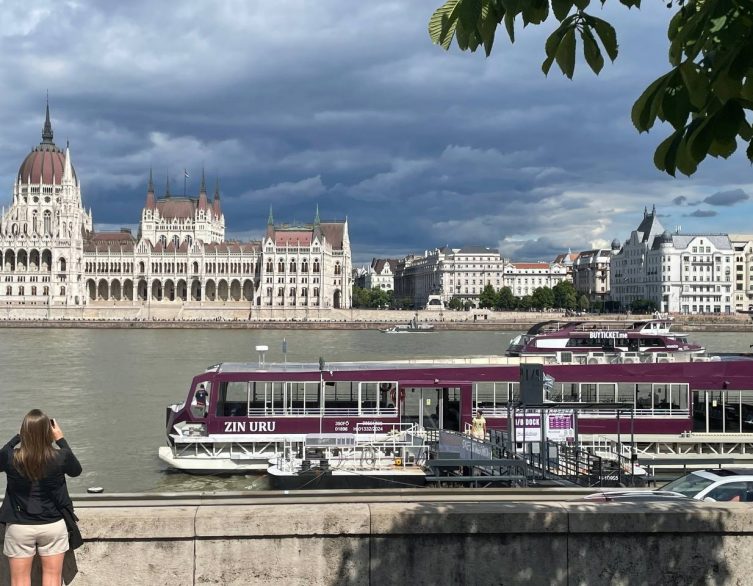
For a change of scene, Rudas also has a rooftop panorama pool overlooking the Danube and the Pest side of the city. The contrast is part of its appeal: historic bathing below, big-city views above, and you somewhere between the two, wondering whether the rest of your itinerary is really necessary.
Healing water, without the hype
The phrase “healing thermal water” sounds wonderfully reassuring, particularly when your legs have just discovered how many steps Budapest sightseeing involves. There is a real therapeutic tradition behind it: Rudas lists degenerative joint conditions, chronic and subacute arthritis, disc herniation and neuralgia among the indications for its medicinal water.
Research on mineral-water bathing, or balneotherapy, suggests that treatment courses can help reduce pain and improve function in some musculoskeletal conditions. Warmth, immersion and mineral chemistry may all contribute. However, a holiday soak is not the same as a prescribed treatment programme, and thermal bathing should be considered a complementary approach rather than a replacement for medical care.
Nor should you deliberately inhale the sulfurous smell as a wellness exercise. Hydrogen sulfide can be hazardous at high concentrations; “natural” does not automatically mean “beneficial in unlimited quantities.” Enjoy the bath as intended, rather than treating the aroma as a respiratory supplement.
The same moderation applies to time in the water. Rudas recommends a bathing time of 20 minutes for its Turkish thermal pools, which have temperatures ranging from 16°C to 42°C. Follow the instructions displayed by each pool and take breaks rather than attempting to become a permanent architectural feature.
If you start feeling unwell, leave the water and tell the staff instead of assuming discomfort means the treatment is working. Anyone with a medical condition or uncertainty about using hot pools should seek individual medical advice beforehand.
Your stinky Budapest sketch
For your visit, bring swimwear, a towel and suitable poolside footwear, with your sketchbook kept safely away from splashes. Check the current timetable and your ticket’s included areas before booking: the historic Turkish bath has some single-sex weekday sessions, so it is not always available to everyone at the same time. Rudas does not admit children under 14.
Then let the setting do the creative work. Sketch the octagonal pool beneath its dome, turn the steam into looping ink trails, or imagine the hidden springs as a busy underground team delivering warm water to the surface. The prompt does not have to produce an ugly picture. Sometimes “stinky” comes with centuries-old architecture and an excellent river view.
And if the composition needs a main character, add a bathing skunk. Give it a towel, a deeply contented expression and absolutely no awareness of the irony.
Budapest supplies the thermal water. Rudas supplies the atmosphere. You supply the ink—and perhaps a slightly more forgiving nose.
Related news
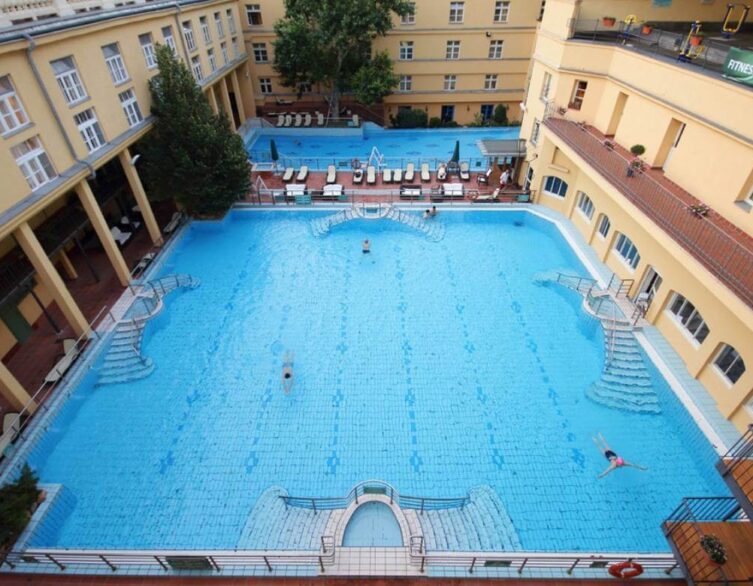
Three Surprising Benefits of Budapest’s Thermal Baths
Ask any first-time visitor why they’re heading to a Budapest thermal bath, and you’ll usually hear something about sulfur, minerals,...
Budapest’s Historic Rudas Baths Find Balance: Traditional Bathing Days Return with Modern Flexibility
Budapest’s thermal bath scene has been making headlines recently, and not just because of the stunning architecture or healing waters. The...

The thermal waters of Hungary – Where the Turks bathed and paprika bloomed
Hungary is world-famous for its thermal waters and healing spas, but did you know that this fame goes way back to the 13th century? The country had...
Related attractions