Why the Elizabeth Lookout Tower on János Hill Is Closed — and What It Means for Your Budapest Trip
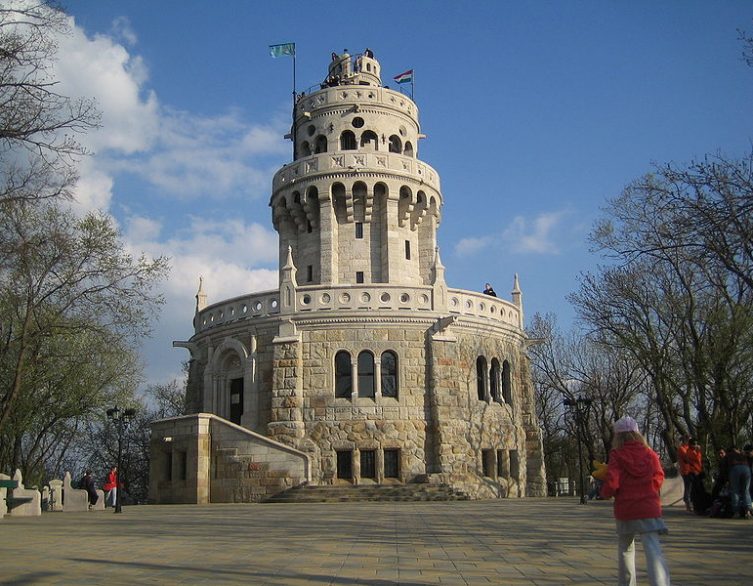
If you were hoping to climb Budapest’s highest viewpoint this year, there’s some disappointing news: the beloved Elizabeth Lookout Tower on János Hill has been shut down indefinitely, and engineers say its top two levels will need to be demolished and rebuilt. What started as a routine closure due to crumbling plaster has turned into one of the most serious heritage preservation challenges the Hungarian capital has faced in years.
A Beloved Viewpoint with a Century-Old Flaw
Perched at 528 meters above sea level, János Hill is the highest point in Budapest, and the neo-Romanesque Elizabeth Lookout Tower has crowned its summit since 1910, offering sweeping 360-degree views that stretch as far as the Tatra Mountains on a clear day. Named in honor of Empress Elisabeth (“Sisi”) of Austria-Hungary, the tower has long been a pilgrimage site for hikers, joggers, and anyone chasing the best skyline photo in the city. The tower typically welcomes around one million visitors a year, many of whom reach it via the nearby Chairlift or the Children’s Railway before tackling the calf-burning climb up its spiral staircase.
What most visitors never realized is that the tower has carried a hidden structural weakness since the day it opened. The original 1910 blueprints called for a proper roof, but that element was quietly dropped during construction, leaving the limestone, sandstone, and brick structure exposed to decades of rain and frost infiltration. Leaks were already documented as early as 1923, and that unresolved water-damage problem has been quietly eating away at the building for more than a century.
The Red Star That Made Things Worse
Adding insult to injury, a heavy five-meter steel red star was mounted on the tower’s roof during the 1950s as a political symbol. Weighing several tons and installed without proper structural safeguards, it acted like a sail in high winds, straining the supporting stonework of the upper level and accelerating the very deterioration that eventually forced authorities to close the tower for safety reasons in 1981. A partial renovation allowed it to reopen in 1992, and a more comprehensive restoration between 2003 and 2005 focused on the façade, decorative lighting, and surrounding grounds — but it never fully resolved the underlying drainage and structural issues at the top of the building.
What Triggered the Current Crisis
The tower’s most recent closure began in February 2026, when the district municipality shut it down after noticing crumbling plaster. What looked like a cosmetic issue quickly proved far more serious once engineers began drone surveys, crane inspections, and invasive structural testing. The final expert report, released this July, concluded that the top two floors of the tower must be dismantled entirely and rebuilt using modern waterproofing techniques, all while preserving the monument’s original historic character.
Best deals of Budapest











Inspectors catalogued a long list of problems across the different levels of the tower, including persistent water infiltration, mold growth, large-scale plaster detachment, frost-shattered sandstone, shifted joints, crumbling limestone, falling brick elements, outward-leaning stone balustrades, and stone vaults that have shifted despite earlier repairs. Together, these issues have made the upper section genuinely dangerous, not just aesthetically worn.
A Multi-Year, Multi-Billion Forint Rebuild
Restoring the tower properly is expected to take several years once planning, heritage consultation, and construction are factored in, and the projected cost runs into the billions of forints. The Hegyvidék district government, which has managed the monument since 2001, says it simply cannot cover a bill of that size on its own. As a result, Mayor Gergely Kovács has formally requested state assistance, writing to Construction and Transport Minister Dávid Vitézy and to the district’s own member of parliament, opposition leader Péter Magyar, asking the national government to step in and help fund the restoration.
Until that funding and planning process moves forward, there is no confirmed date for reopening — visitors should expect the closure to last for at least a few years while the heritage-grade reconstruction unfolds with input from restoration specialists and conservation architects.
What Tourists Can Do in the Meantime
The good news for travelers is that Budapest offers no shortage of alternative panoramic experiences while the Elizabeth Lookout Tower is off-limits. Fisherman’s Bastion on Castle Hill, the recently reopened Citadella on Gellért Hill with its new glass bridge and exhibition, and the Buda Hills’ Normafa area all deliver spectacular city views without the current safety risk. If you’re determined to explore János Hill itself, the surrounding trails, the Chairlift, and the nostalgic Children’s Railway remain open and are worth the trip even with the tower closed, since the hillside setting and forest walks are attractions in their own right.
A Monument Worth the Wait
The Elizabeth Lookout Tower’s story is really a story about Budapest’s layered history, from its Habsburg-era origins and Sisi’s fondness for the Buda Hills, through a politically charged red star that literally weighed the building down, to today’s careful balancing act between heritage preservation and public safety. While it’s frustrating for travelers eager to add this viewpoint to their itinerary, the meticulous approach being taken — full structural investigation, heritage-conscious rebuilding, and a push for proper government funding — suggests that when it finally reopens, the tower should be structurally sound for another century of sightseers.
Related news
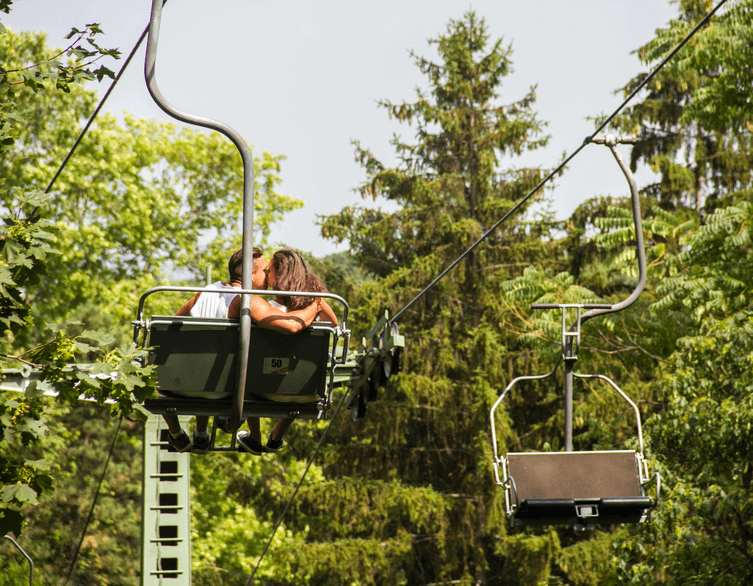
János Hill and the Zugliget Chairlift: Your Guide to Budapest’s Favorite Fall Forest Escape
If you’re craving a break from Budapest’s grand boulevards and thermal baths, the Buda Hills are calling, and there’s no more scenic...

Solar Eclipse Over Budapest: A Rare Sky Show You Won’t Want to Miss
On the evening of August 12, 2026, Budapest will get a front-row seat to a genuinely rare astronomical event: a partial solar eclipse that turns...
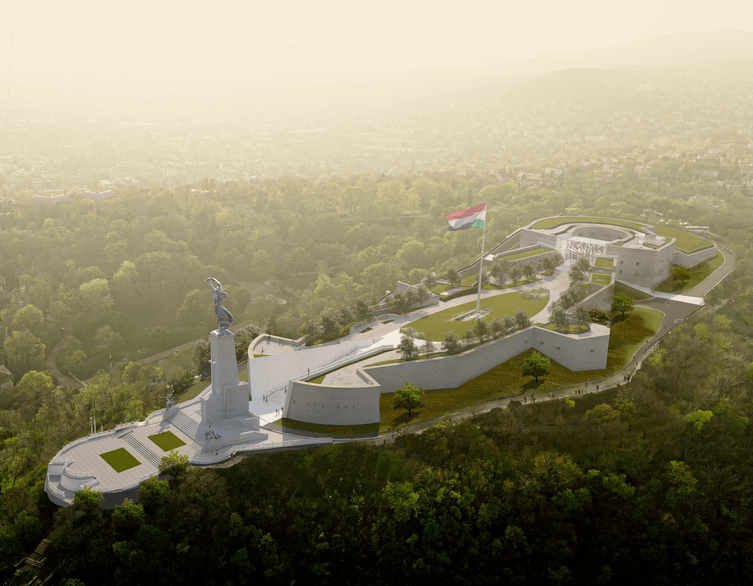
A Perfect Day Around Gellért Hill, the Citadella, and Bartók Boulevard
Some of the best days in Budapest aren’t built around ticking off famous landmarks one by one, but around letting one neighbourhood lead naturally...
Soar Above Budapest: The Zugliget Chairlift Is Back and Better Than Ever
A Hidden Gem Just Reopened Not every great Budapest experience involves a thermal bath or a ruin bar. Sometimes, the best thing you can do is rise...
Your Practical Guide to Budapest’s Renewed Citadella
Budapest’s most iconic hilltop fortress has just reopened after more than a decade of restoration, and it’s well worth the trip up. Here’s...
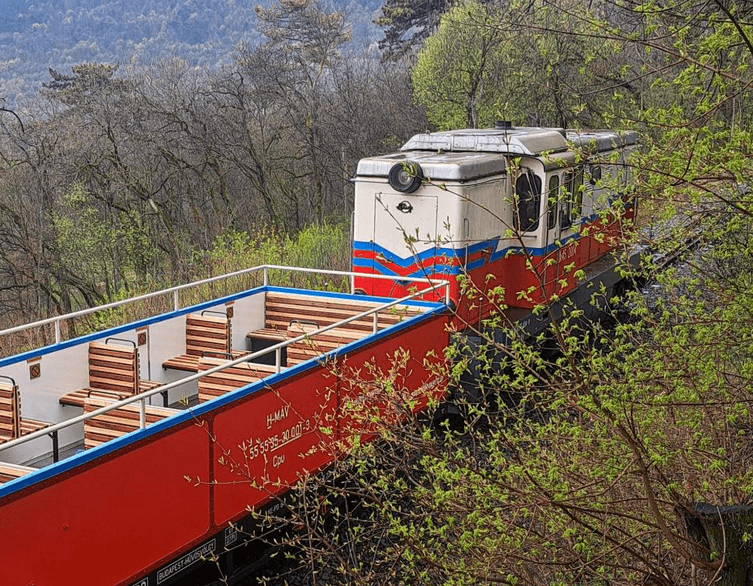
Budapest’s Children’s Railway Just Got a Stunning New Panoramic Carriage
If you’re planning a trip to Budapest and looking for something truly out of the ordinary, the city’s beloved Children’s Railway...
Budapest’s Beloved Lookout Tower Is Closed — Here’s What Travelers Need to Know
If you’ve been dreaming of standing at the very top of Budapest and soaking in a sweeping panorama that stretches all the way to the Carpathian...
Related attractions
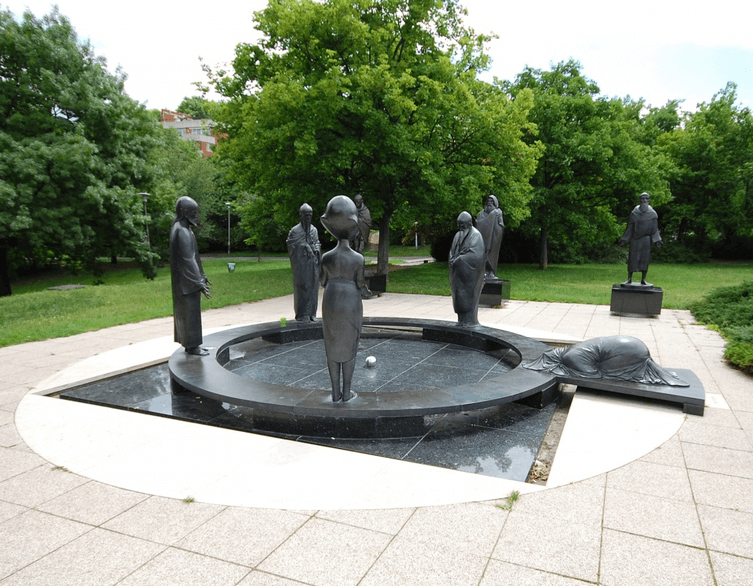
The Garden of Philosophers: Budapest’s Hidden Spiritual Sanctuary on Gellért Hill
Tucked away on the tranquil western slopes of Gellért Hill, the Garden of Philosophers (Hungarian: Filozófusok Kertje or Filozófiai Kert) stands...
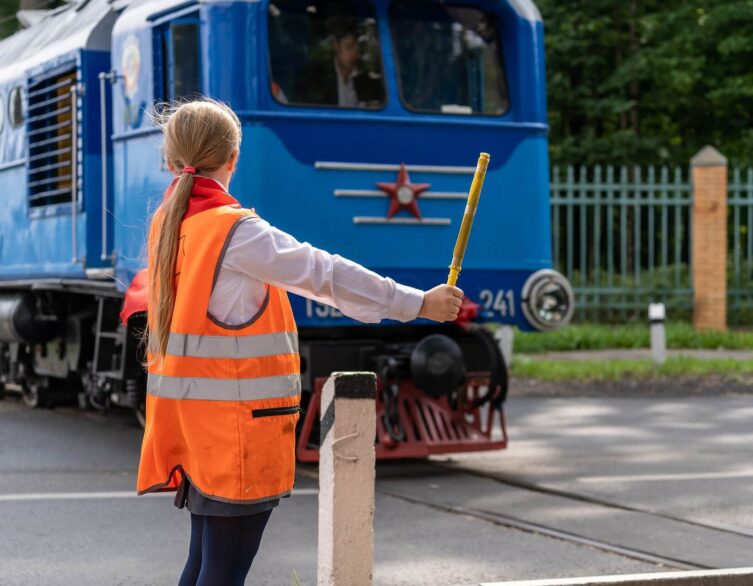
The Budapest Children’s Railway: A Journey Through History and Nature
The Budapest Children’s Railway is a unique and charming attraction that offers visitors a chance to experience a piece of Hungarian history...
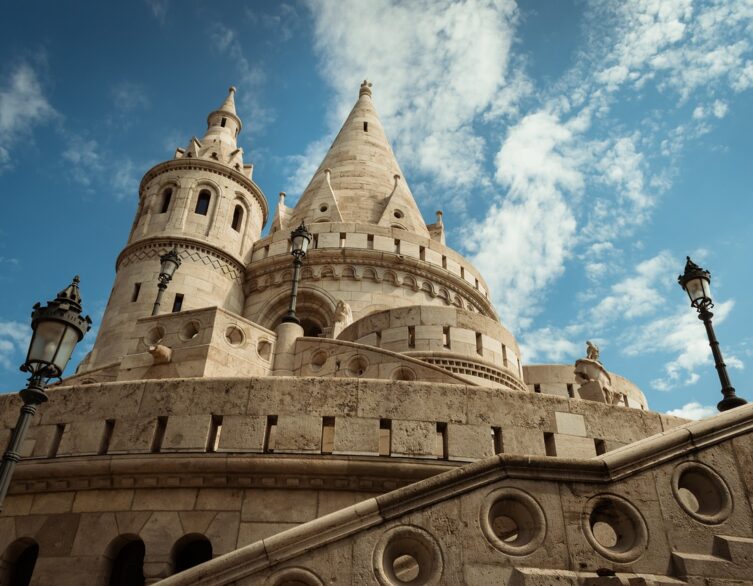
Take a Walk in the Enchanting Fisherman’s Bastion
When visiting the charming city of Budapest, one of the must-see attractions is the Fisherman’s Bastion, located in the historic Buda Castle...
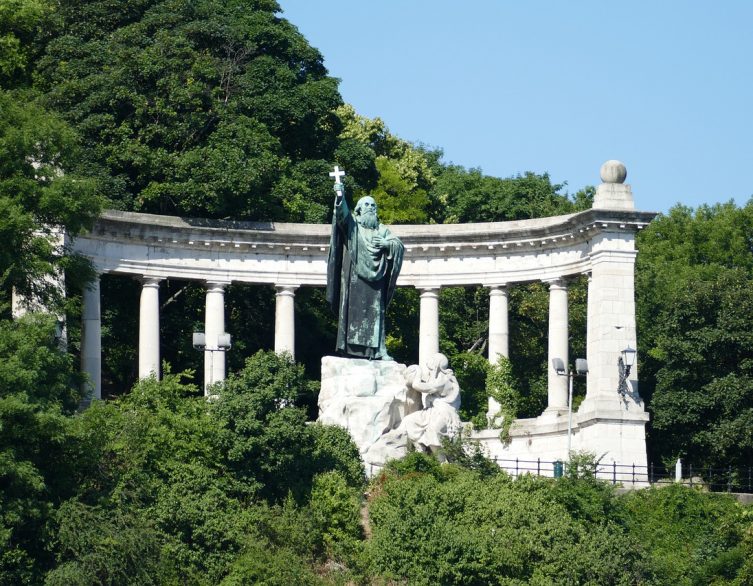
Gellért Hill: A Breathtaking Escape in the Heart of Budapest
Towering above the majestic Danube River, Gellért Hill stands as a captivating landmark in the historic city of Budapest. This iconic hill, rising...