Meet the Cake of Hungary 2026: A Sweet Reason to Visit Budapest This August
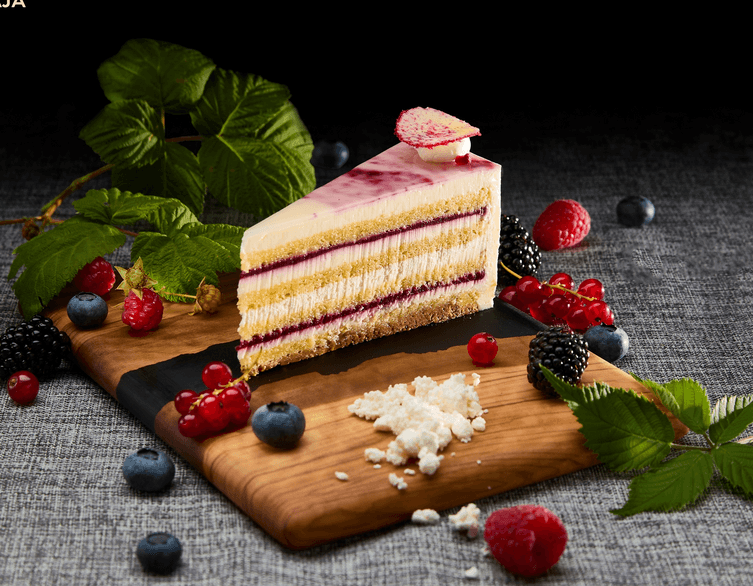
Every August, right around the country’s biggest national holiday, Hungary crowns a single dessert as its official “Cake of Hungary,” and this year’s winner has just been announced. If you’re in Budapest around August 20, tracking down a slice of the newly crowned Bíborfehér cake is one of the tastiest ways to join in the celebrations.
The Winning Cake: Bíborfehér
The 2026 title goes to a cake called Bíborfehér, created by the team at Kézműves Cukrászda in Gyula, a pastry team made up of László Balogh, Zoltán Balogh, and Roland Kis. It’s a repeat win for the trio, who also took the crown last year with a cake called DCJ Stílusgyakorlat, making them one of the most decorated confectionery teams in the competition’s history. Interestingly, Bíborfehér only got its final name at the last minute; it was known as Fehér Mámor throughout most of the judging process.
The cake itself is a study in balance. A buttery whipped sponge base carries a silky sour cream mousse studded with rögös túró, a distinctly Hungarian curd cheese, while a layer of forest berry jelly made with sweet blackcurrant wine ties everything together. Toasted almonds add crunch, chocolate, vanilla, and lemon round out the flavor profile, and a scattering of freeze-dried raspberry on top provides the finishing touch. The result is a dessert that manages to be tart and refined at once, respectful of tradition while still feeling contemporary, which is exactly the balance the judges were looking for.
Best deals of Budapest







Why This Competition Matters
The Cake of Hungary contest, organized by the Hungarian Confectionery Industry Association, celebrated its 20th anniversary this year, and it’s been recognized as an outstanding item on Hungary’s National Values register. Each edition of the competition is built around a mandatory theme, and this year’s challenge centered on two deeply Hungarian dairy ingredients: rögös túró and tejföl, or sour cream.
Rögös túró has been a staple of Hungarian kitchens for roughly 500 years and isn’t really made anywhere outside the Carpathian Basin, which earned it official recognition from the European Union in 2019 as a Traditional Speciality Guaranteed product. Sour cream has an equally deep-rooted history in Hungarian cooking, with records showing an archbishop petitioning for permission to eat it during fasting periods as far back as 1611. To this day, Hungarians consume more sour cream per capita than most other nations, and it remains one of the true building blocks of the national cuisine.
This year’s competition drew a record 60 entries, forcing organizers to run four separate rounds of judging, including a live bake-off where finalists had to prepare their cakes from scratch in front of the jury. Contestants were required to use Hungarian-made, certified rögös túró and sour cream in a way that genuinely defined the cake’s flavor, though they were free to build around it with fruits, spices, and other ingredients. The results ranged from crowd-pleasing combinations like apricot, strawberry, and raspberry to more adventurous choices such as yuzu, kaffir lime, tonka bean, sea buckthorn, and even roasted bacon.
The Runners-Up Worth Knowing About
Second place went to a cake called Rétegek Tánca, created by Krisztián Füredi of Hisztéria Cukrászda in Tápiószecső, while third place was awarded to Eprek Hercege, made by Tamás Lázár of Dinasztia Cukrászda in Siófok. Both pastry chefs took home specialty vouchers alongside their medals, and the winning Bíborfehér team also picked up a professional award from Hungary’s Dairy Product Council along with a course voucher from the Chocolate Academy.
Don’t Miss the Sugar-Free Winner
Running alongside the main competition is Hungary’s Sugar-Free Cake contest, organized by the Egy Csepp Figyelem Foundation together with the Confectionery Industry Association, and this year it earned recognition as a National Value in its own right. The 2026 winner is Szilvafácska, created by Alena Puchovszki, Gábor Pethő, and Jenő Vadócz at Promenád Kávéház in Balatongyörök.
Made without any added sugar, Szilvafácska builds flavor in layers, starting with juicy plum, moving through walnut and milk chocolate for a bit of crunch, and finishing with a light cinnamon mousse and a subtle hint of green tea. The chefs say it was inspired by childhood memories of a grandmother’s garden and the smell of fresh jam cooking on the stove. A single slice comes in at just 253.7 kcal and 13.5 grams of carbohydrates, making it a smart option for diabetic travelers or anyone keeping an eye on sugar intake without wanting to skip dessert entirely.
Where and When to Try Them in Budapest
Both winning cakes hit confectionery counters starting August 20, timed to coincide with Hungary’s national holiday celebrating the founding of the state. In Budapest, the easiest place to find them is the Hungarian Flavors Street pop-up at Várkert Bazár, the beautifully restored garden complex just below Buda Castle along the Danube, where a slice of the Cake of Hungary will be sold for 1,950 forints. Beyond Várkert Bazár, the cakes will also be distributed to close to 500 confectioneries across the country, so there’s a good chance you’ll spot one wherever you happen to be staying.
For anyone determined to find the exact nearest spot, the official cukraszat.net website relaunches with an interactive map from August 18, letting you search for the closest participating confectionery to your location. Worth noting: the actual recipes for both cakes stay under wraps until early 2027, so for now, only members of the Confectionery Industry Association are authorized to bake and sell the official versions, guaranteeing you’re getting the real thing wherever you buy it.
If you’re already planning to be in Budapest for the August 20 national holiday fireworks and festivities, working in a stop at Várkert Bazár for a slice of Bíborfehér is an easy and delicious way to taste a genuine piece of this year’s celebrations.
Related news
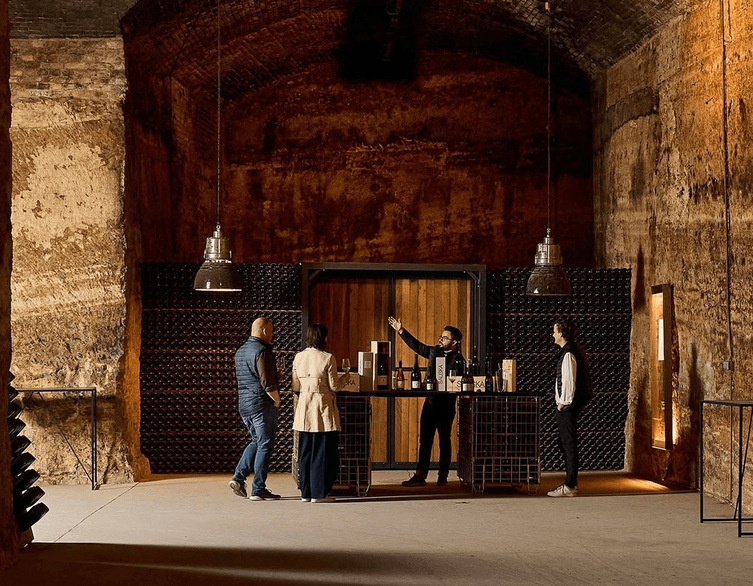
Sauska Opens English-Language Cellar Tours in Historic Budafok
If you’ve been searching for something to do in Budapest that goes beyond the usual castle-and-thermal-bath circuit, the Sauska sparkling wine...
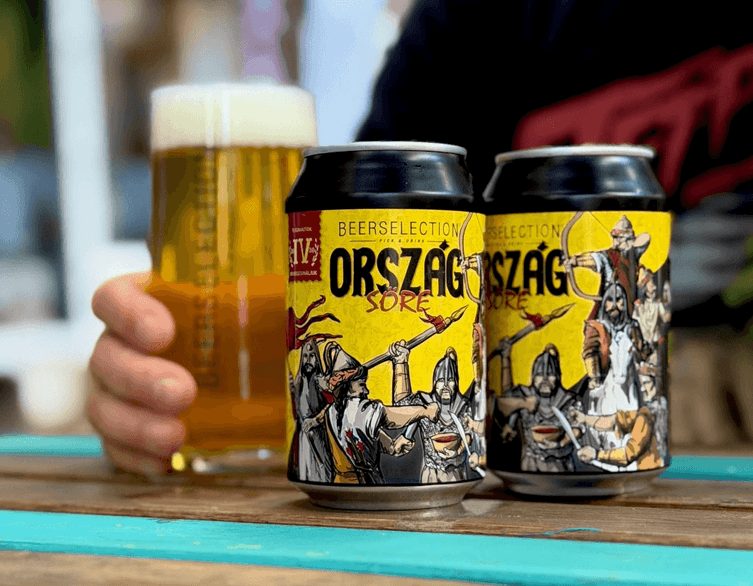
Meet 2026’s “Country’s Beer,” a Crisp Cold-Hopped Lager Chosen by the Public
Every summer, Hungary’s beer lovers get a rare chance to actually design the beer they drink, and this year’s result has just hit taps...
The Street of Hungarian Flavours 2026: Budapest’s Ultimate Food Festival for St. Stephen’s Day
If you’re planning a trip to Budapest around the national holiday, clear your schedule for one very specific address: Ybl Miklós tér, right...
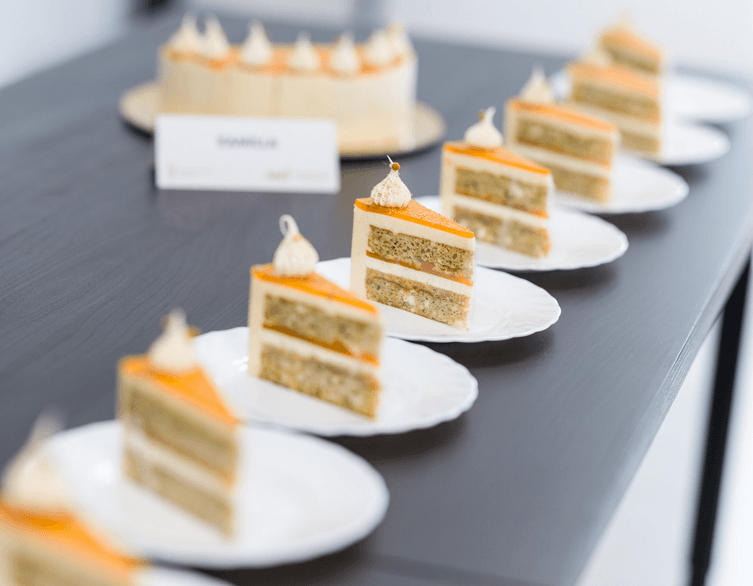
The Race for Hungary’s Most Beloved Cake Is Down to Six
If you happen to be wandering around Budapest this August, you might notice a certain buzz in the city’s pastry shops and on local food pages....
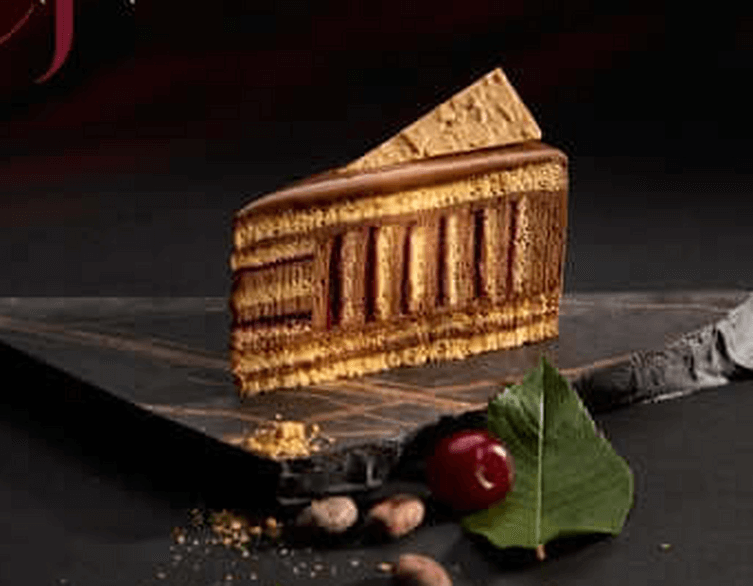
Discover Hungary’s Cake: The 2025 Winner That Will Tempt Every Sweet Tooth in Budapest
When you stroll through the charming streets of Budapest, you’ll encounter countless pastry shops displaying an array of mouth-watering desserts....
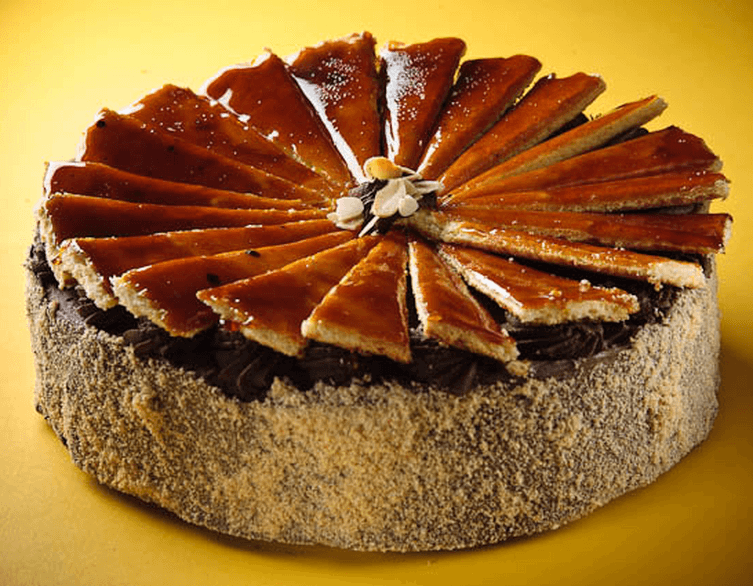
Dobos Torta: Budapest’s Legendary Cake Celebrates 140 Sweet Years
If you’re planning a trip to Budapest and want to experience the city’s culture through its flavors, there’s one dessert you simply can’t...
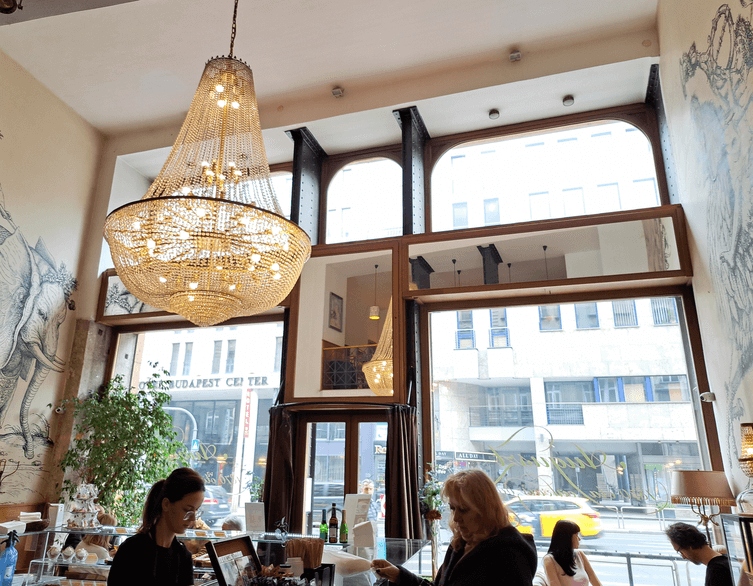
A Sweet Legacy: The Auguszt Confectionery Dynasty in Budapest
In the heart of Budapest, a confectionery legacy spanning five generations continues to delight locals and tourists alike. The...
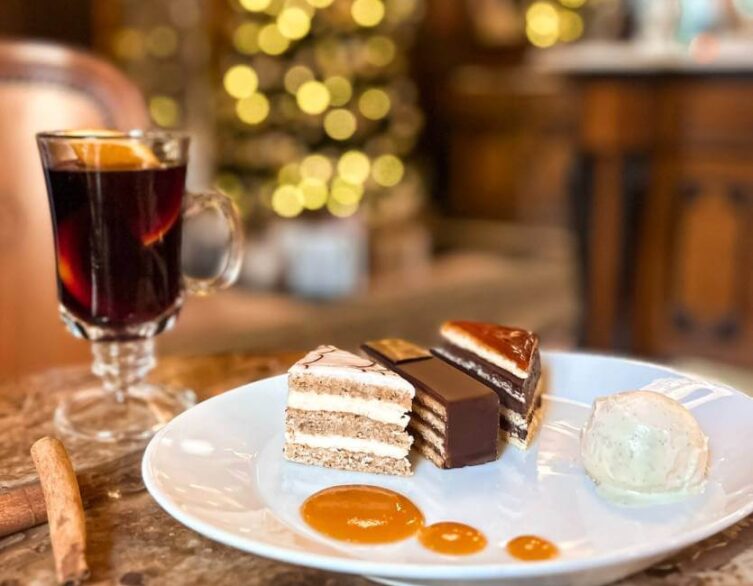
The Legendary Gerbeaud: A Sweet Journey Through Time
One of life’s most beautiful and exciting tasks is to preserve and even enhance a valuable treasure. Gerbeaud is certainly one of Budapest’s...