Watch the Skies, Not Just the Streets: Why Budapest’s Parks Come With a Summer Warning This Year
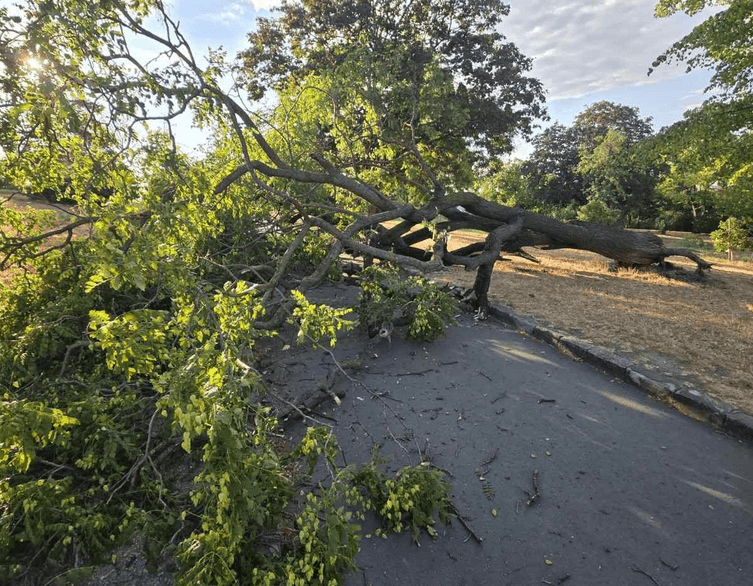
Budapest is having one of its hottest, driest summers in recent memory, and the city’s beloved green spaces are feeling the strain in a way most visitors would never expect. If you’re planning to cool off under the shade of a big old tree in City Park or stroll through Margaret Island’s leafy avenues this August, there’s something local authorities want every tourist and resident to know: the trees themselves have become a genuine safety concern, and it has nothing to do with storms or bad weather.
A City Under Heat Stress
Prolonged heat, drought, and a severe lack of groundwater are putting extraordinary pressure on Budapest’s urban trees this summer. FŐKERT, the company responsible for maintaining the capital’s parks, has confirmed that its staff are patrolling green spaces with increased manpower and heightened vigilance, actively removing any branches identified as hazardous.
Mayor Gergely Karácsony has been equally vocal, describing this year’s conditions as a genuine climatic shock for a tree population that was largely planted after the Second World War and has spent decades absorbing the wear and tear of city life without adequate care. According to Budapest’s chief landscape architect, this could be one of the most punishing summers the city’s trees have ever faced, with young trees planted just months ago in February and March being especially vulnerable since their root systems haven’t had time to reach deeper water sources. Experts estimate that roughly a third of the capital’s mature trees could reach a critical state within the next decade if conditions keep deteriorating, a sobering statistic for a city famous for its leafy boulevards and riverside greenery.
Best deals of Budapest











The Hidden Danger: Summer Branch Drop
The specific phenomenon behind all this concern is known internationally as “Summer Branch Drop,” and it’s exactly as unsettling as it sounds. Large branches that look perfectly healthy from the outside can snap off suddenly, without any visible warning sign, sometimes even on a completely calm, windless day. Scientists still haven’t fully pinned down why this happens, which means that even trees under regular professional inspection and care can’t be guaranteed safe. Certain species seem more prone to it than others, with plane trees, oaks, beeches, and hackberries flagged as particular risks, though experts caution that no species can be entirely ruled out.
This is precisely why the warning matters so much for tourists. Summer Branch Drop isn’t tied to storms or high winds, the kind of weather most people instinctively associate with tree danger. It can happen in the stillest, sunniest afternoon, exactly the kind of weather that draws visitors into the shade of a grand old tree for a rest.
Where Tourists Should Be Extra Careful
City Park, Budapest’s largest and most visited green space, has issued its own direct appeal to visitors, asking them to be especially cautious and to avoid lingering under the canopies or larger limbs of big, mature trees during this extended heatwave. The same caution applies across the capital’s other major parks and tree-lined promenades, from Margaret Island’s shaded paths to the leafy squares scattered through the downtown districts. If you’re heading out to picnic, relax, or explore, it’s worth keeping this in the back of your mind, particularly during the hottest hours of the day.
The advice becomes even more critical if the weather turns. During thunderstorms, strong winds, or heavy rain, visitors are strongly urged to leave wooded areas altogether rather than sheltering beneath a tree, since the risk of branch failure rises sharply in those conditions. And at all times, any posted warnings or roped-off sections in a park should be taken seriously and respected, no exceptions.
Interestingly, this isn’t the first time this summer that FŐKERT has had to appeal to the public’s common sense about tree care. Just weeks earlier, after a large tree came down on Gellért Hill right next to a playground, the company’s local team asked visitors to stop treating tree trunks and branches as gym equipment. Fitness enthusiasts had gotten into the habit of strapping TRX suspension bands, hammocks, and slacklines to tree limbs for outdoor workouts, a practice that damages bark, puts unpredictable strain on branches whose internal condition can’t be judged from the outside, and can ultimately trigger exactly the kind of sudden branch failure the city is now warning about. FŐKERT also asked people to stop climbing the trees, even for a nice photo, since it causes the same kind of hidden cracks and cortex damage. So if you spot a scenic old tree on Gellért Hill or anywhere else in the city, admire it, photograph it, rest in its shade, but leave your resistance bands and climbing ambitions for another spot.
Budapest’s Bigger Battle for Greener, Cooler Streets
Behind this summer’s warnings lies a much larger story about how Budapest is rethinking its relationship with urban nature. Mayor Karácsony has been candid that the city will inevitably lose some trees to this climatic pressure, but insists the real goal is ensuring their replacements grow up in far better conditions than their predecessors endured. It’s not just about planting more trees, he argues, but about building a bigger, denser canopy that actually provides meaningful shade, since a tree only reaches its full canopy potential around 30 to 40 years of age, with a mature tree’s crown outsizing a young sapling’s by two orders of magnitude.
The comparison Karácsony draws with Vienna is striking: Budapest has roughly twice as many public trees as the Austrian capital, yet Vienna’s total canopy mass is nearly three times larger, a gap that speaks volumes about age, health, and long-term planning rather than sheer numbers.
To tackle this, the city has developed a public planning document called Sponge City, freely downloadable from the official municipal website, laying out practical strategies like structural soils, rain gardens, cisterns, rooftop gardens, water-retaining materials, and updated tree-planting protocols. The most ambitious project built on these principles so far sits at Blaha Lujza Square, one of downtown Budapest’s busiest transit hubs, now redesigned to capture and retain rainwater. On the smaller end of the scale, a modest green island absorbing stormwater has been created at the junction of Kerepesi Road and Fogarasi Road, proof that sponge-city thinking works at every size.
A Legal Patchwork Standing in the Way
There’s a bureaucratic wrinkle complicating all this good intention. Karácsony points out that while roads and utilities in Hungary are governed by proper legislation, trees are protected only by a government decree with comparatively few teeth. Oddly, Budapest’s central municipality has no authority to pass its own tree-protection ordinance, even though each of the city’s 23 districts does, resulting in 23 different sets of rules across the same metropolitan area. Despite these constraints, city officials have still managed to save nearly 2,500 healthy trees this year alone by withholding ownership approval from developments that would have destroyed them.
What This Means for Your Budapest Trip
None of this should keep you away from Budapest’s parks, they remain some of the most rewarding places to experience the city, especially with a refreshing dip in the Danube or a quiet stretch of Margaret Island on the itinerary. But building in a little awareness costs nothing: avoid settling in directly under the widest branches of old, mature trees during long, still hot spells, resist the urge to use tree trunks or limbs for climbing or improvised workouts, move away from tree cover quickly if weather turns stormy, and always respect any barriers or warning signs you come across. Budapest is investing heavily in making its green spaces healthier and more resilient for the long run, and a little visitor caution this particular summer helps everyone enjoy the city’s parks safely while that work continues.
Related news

Free Outdoor Movies Return to City Park All Summer Long
If your Budapest evenings could use a dose of old-school movie magic, head to the heart of City Park (Városliget), where a wildly popular free outdoor...
Beat the Heat: Your Guide to Staying Cool in Budapest’s City Park
When the pavement starts radiating heat and the sun feels relentless, Budapest’s City Park, known locally as Városliget, turns into one of...
Please Don’t Turn Gellért Hill’s Trees Into Gym Equipment, Budapest’s Park Rangers Ask
If you’re planning to visit Gellért Hill in Budapest, you’re in for one of the city’s most scenic natural escapes — but local...
Budapest’s Downtown Parking Lot Is Finally Becoming a Real Park
For decades, one of the most valuable pieces of real estate in downtown Budapest sat locked away behind a fence, serving no one but a handful of...
Related attractions
The Garden of Philosophers: Budapest’s Hidden Spiritual Sanctuary on Gellért Hill
Tucked away on the tranquil western slopes of Gellért Hill, the Garden of Philosophers (Hungarian: Filozófusok Kertje or Filozófiai Kert) stands...
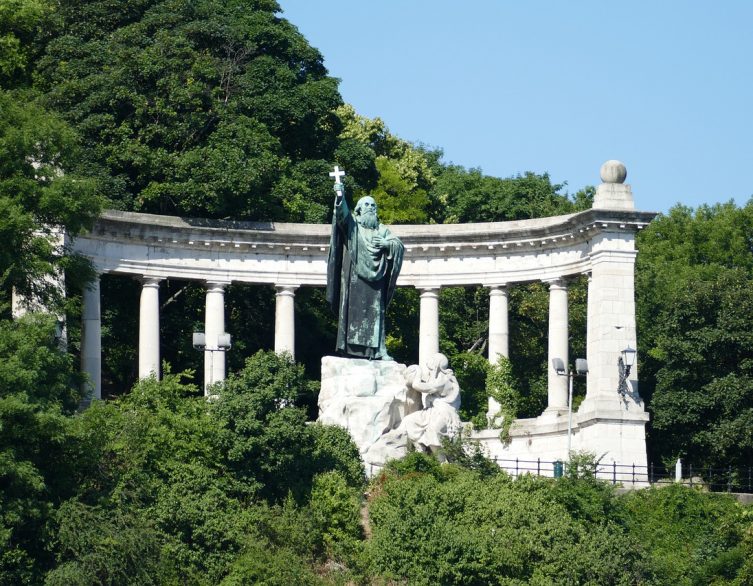
Gellért Hill: A Breathtaking Escape in the Heart of Budapest
Towering above the majestic Danube River, Gellért Hill stands as a captivating landmark in the historic city of Budapest. This iconic hill, rising...