Budapest Just Joined Europe’s Most Exclusive Cycling Club — and That’s Great News for You
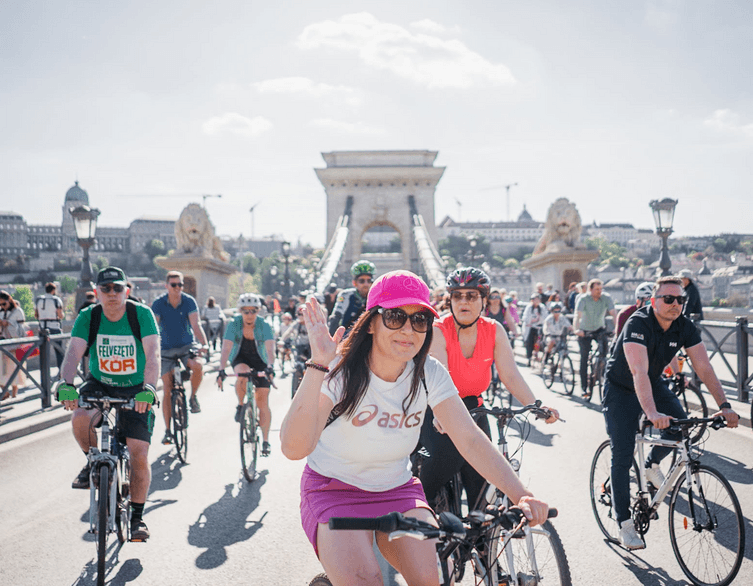
If you’ve ever tried to cycle in Budapest and found yourself wondering whether the city was designed for bikes or against them, we have good news: Budapest has officially joined the Cities and Regions for Cyclists network, a pan-European alliance dedicated to putting cycling at the very heart of urban planning. And no, this isn’t just a piece of paper signed in a meeting room and promptly forgotten. This is Budapest pulling up a chair at the same table as Copenhagen, Amsterdam’s neighbour Rotterdam, Helsinki, and Munich — cities that have been doing the cycling thing properly for decades.
So What Exactly Is This Network?
The Cities and Regions for Cyclists network operates under the umbrella of the European Cyclists’ Federation (ECF), an independent, non-profit professional organisation that advocates for cycling across Europe. The network brings together local and regional governments that are genuinely, actively working to make cycling a real mode of transport — not just a weekend hobby for people in lycra. With more than 50 member cities and regions, it reads like a who’s who of progressive European urbanism: Athens, Barcelona, Vienna, Bologna, Gdansk, Ghent, Hamburg, Helsinki, Copenhagen, Leipzig, Ljubljana, Munich, Oslo, Prague, Rimini, Rotterdam, Stockholm, Timișoara, Zagreb, and Zurich all sit around the same table.
Budapest officially joined in April 2026, making it one of the newest members of a network that is, frankly, very good at sharing homework. The whole point is that cities shouldn’t have to reinvent the wheel — literally — when it comes to cycling policy. If Copenhagen has already figured out how to build a safe school street programme, Budapest can learn from that rather than spending years making the same expensive mistakes.
What Does This Mean on the Ground?
Here’s where things get genuinely exciting for anyone visiting or living in Budapest. Membership in the network is specifically tied to several real, ongoing cycling projects in the city. The EuroVelo route development — part of the continent-wide network of long-distance cycling routes that passes through Hungary — will benefit from international expertise on infrastructure and signage. The School Streets programme (Iskolautca), which temporarily closes roads around schools to motor traffic during drop-off and pick-up times, will be able to draw on successful models from cities that have been running similar schemes for years.
Then there’s the Bringasztráda — Budapest’s planned cycling superhighway — and the Healthy Streets projects, which aim to redesign urban roads to prioritise pedestrians, cyclists, and greenery over motor vehicles. Both of these are exactly the kind of ambitious, complex undertakings where learning from cities that have already been through the process can save enormous amounts of time and money. Add to that the city’s involvement in the EU-funded REALLOCATE project, which it’s running jointly with the ECF itself, and you start to see a city that is taking this seriously rather than just collecting membership badges.
Best deals of Budapest







Why Should Tourists Care?
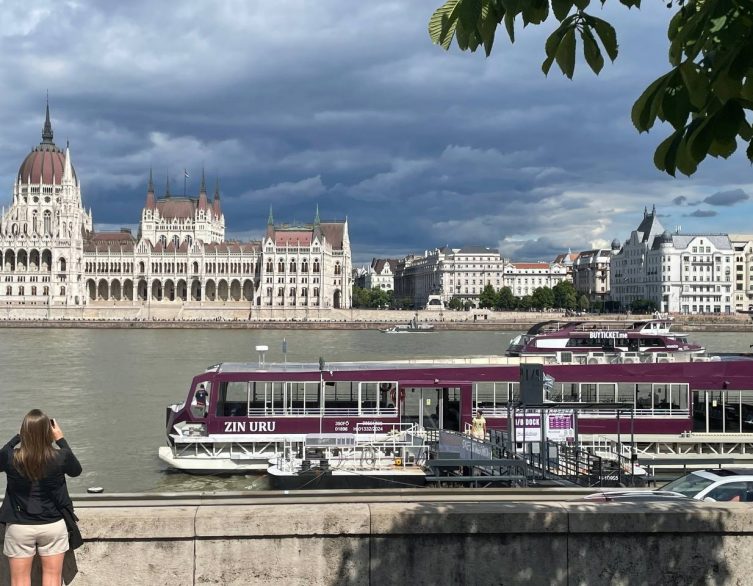
Fair question. You’re here for the ruin bars, the thermal baths, and the absolutely absurd beauty of the Parliament building at sunset — why does cycling infrastructure matter to you? Well, because the best way to explore Budapest has always been by bike. The city sits on flat ground along the Danube, with wide boulevards, riverside paths, and a compact historic centre that rewards slow, aimless wandering. The problem has historically been that cycling felt like an act of bravery rather than a leisure activity.
That is changing, and it’s changing faster now. The Danube Promenade cycling path on both the Buda and Pest sides already offers some of the most scenic urban cycling anywhere in Europe. Margaret Island is a car-free oasis purpose-built for cycling and walking. And as the city’s network of protected bike lanes continues to grow, getting around by two wheels is becoming genuinely accessible even for tourists who haven’t cycled since childhood. Several bike-sharing and rental services operate across the city, including the MOL Bubi public bike-sharing scheme, which has docking stations throughout the centre.
The Company Budapest Is Now Keeping
It’s worth pausing for a moment to appreciate just how significant this membership is. Copenhagen is considered the gold standard of cycling cities globally — a place where more people commute by bike than by car, where cycling infrastructure is funded and maintained with the same seriousness as motorways, and where cycling culture is so embedded that it barely registers as a lifestyle choice. It’s just how people get around.
Budapest joining the same network as Copenhagen, Helsinki, and Zurich sends a clear message about where the city’s ambitions lie. The network’s annual workshop brings city representatives together face to face to share experiences on implementing cycling plans, involving cycling user groups, and navigating the political realities of reallocating road space. Budapest’s delegation will now be in the room for those conversations — and what they bring back will, over time, show up in the streets you cycle through.
A City in Motion
Budapest has spent much of the past decade reinventing itself as a destination that punches well above its weight — culturally, architecturally, gastronomically, and in terms of sheer livability. The decision to join the Cities and Regions for Cyclists network is part of a broader vision of what the city wants to become: greener, healthier, more connected, and more enjoyable to navigate without a car. The Green Budapest initiative, the expanding wildflower meadows, the Healthy Streets projects, and now this — they’re all pieces of the same puzzle.
For tourists, the practical upshot is simple: Budapest is becoming an increasingly brilliant city to explore on two wheels. The routes are getting safer, the infrastructure is getting smarter, and the city is learning from the best in the business. Hire a bike, follow the Danube, and know that somewhere in a meeting room in Brussels, Budapest’s cycling planners are busy taking notes from Copenhagen. The results will be on the streets soon enough.
Related news
More Than 20,000 Cyclists Rolled Through Budapest at I Bike Budapest 2026
Budapest showed a different side of itself this weekend, as more than 20,000 cyclists took part in the I Bike Budapest parade on Saturday to draw...
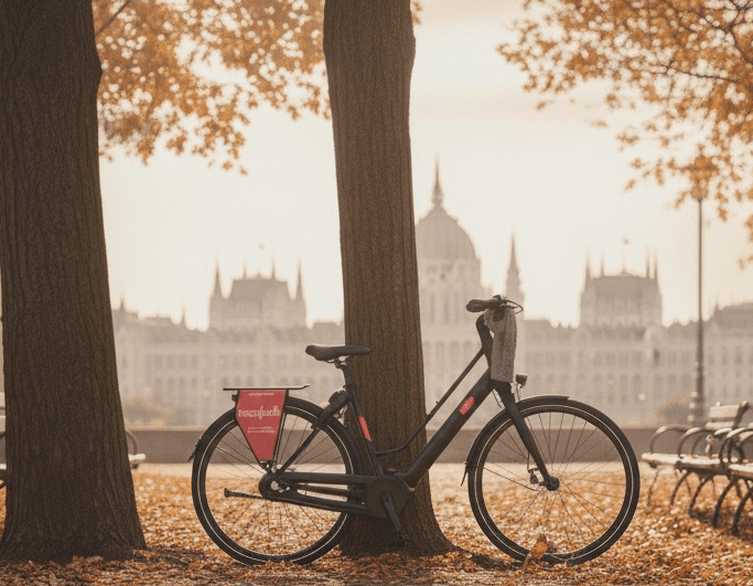
Meet Manfred: Budapest’s New Bike-Sharing Service Filling the Gap Left by Bubi
If you’ve been planning a trip to Budapest and were counting on hopping on a city bike to explore the Hungarian capital, you might have noticed...
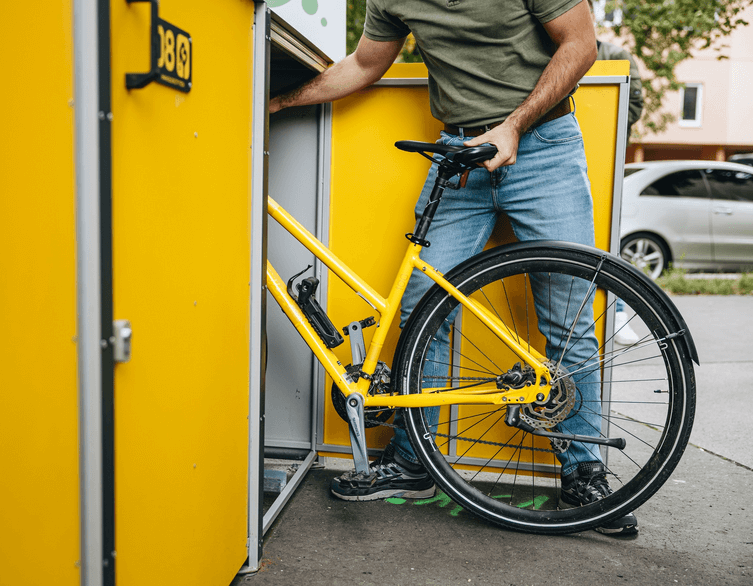
Budapest Builds New Covered Community Bike Storages Across the City
If you’ve ever explored Budapest by bike, you know the freedom it offers — gliding past the Danube, pausing at cafés, and discovering corners...