Budapest’s Environmental Plan 2026–2031: A Greener City for Residents and Visitors
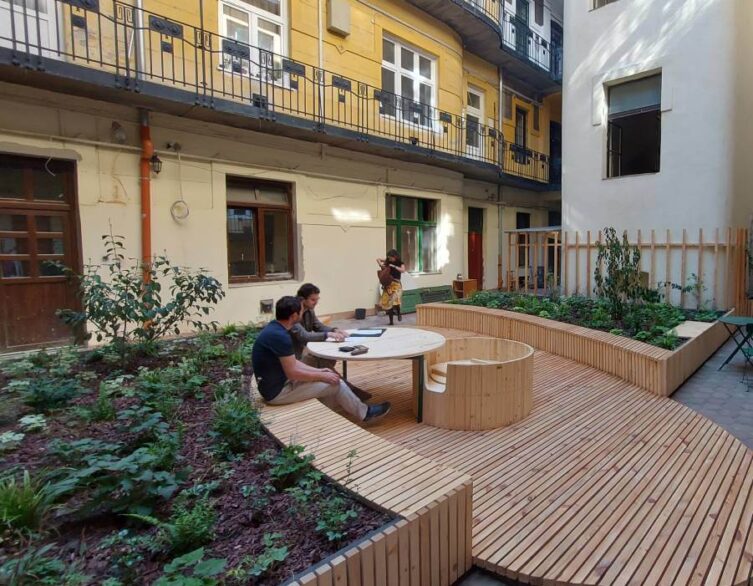
Cleaner air, quieter streets and better-protected green spaces: Budapest’s next environmental programme sets out a vision for a city that is more pleasant to live in—and to explore. The draft Budapest Environmental Programme 2026–2031 is now open for public consultation, with feedback invited until November 8, 2026.
Known as BKP 2031, the programme outlines the capital’s environmental priorities across 19 areas, including sustainable transport, climate adaptation and the environmental impact of tourism. It is still a draft, rather than an approved package of projects, but it offers a revealing look at how Budapest wants to develop over the coming years.
Why Budapest Is Updating Its Environmental Programme
Budapest has prepared six-year environmental programmes for more than two decades. The new document is intended to maintain that planning process as the current 2021–2026 programme reaches its end, while responding to changing environmental conditions.
More frequent heatwaves, droughts and extreme rainfall are creating new challenges for the capital. At the same time, changes to environmental legislation, climate policy and the city’s own development strategies mean that its priorities need updating.
The proposed response brings together three ambitions: a more liveable Budapest, a more resilient Budapest and a more self-reliant Budapest. Together, they connect everyday concerns, such as noise and street cleanliness, with longer-term questions about energy, water and the city’s ability to adapt to a changing climate.
A More Liveable Budapest: Cleaner Air and Better Green Spaces
The programme’s “Liveable Budapest” ambition focuses on the environmental conditions that shape daily life. It covers air quality, noise reduction, healthy drinking water, wastewater treatment, soil protection, green infrastructure and cleaner public spaces.
For visitors, these may sound less exciting than a new museum or attraction, but they help shape the experience of a city. A quieter street makes an evening stroll more enjoyable, while well-maintained green spaces offer somewhere to pause between sightseeing stops.
The draft treats these issues as connected rather than separate concerns. Protecting soil, improving water management and developing urban greenery all contribute to the quality of the spaces that residents and tourists share.
Importantly, sustainable tourism is included as a dedicated area of action. Reducing the environmental burden of the visitor economy is therefore part of the programme itself, rather than an afterthought.
Preparing Budapest for Heatwaves and Heavy Rain
The “Resilient Budapest” ambition looks at how the capital can adapt to climate change while protecting its natural and built heritage.
Its priorities include nature conservation, the protection of surface water and groundwater, sustainable rainwater management and flood protection. The programme also calls for safeguarding biodiversity and maintaining the quality and protection of valuable natural areas.
These goals reflect the different pressures a city can face: too little water during dry periods, too much during intense rainfall, and rising demands on green spaces during hot weather. The draft brings those challenges into a shared framework rather than treating them as isolated problems.
For tourists, the relevance is straightforward. Budapest’s appeal depends not only on its landmarks, but also on the condition of the streets, landscapes and historic surroundings through which visitors move. Protecting those places is part of keeping the city welcoming in the longer term.
Best deals of Budapest









A More Self-Reliant City, From Buildings to Transport
The third ambition, “Self-Reliant Budapest”, focuses on using energy and resources more efficiently. It includes improving the energy independence of buildings, developing sustainable transport and moving towards a circular economy, in which materials remain in use for longer and less becomes waste.
The programme also addresses sustainable urban food systems, environmental awareness, community participation and responsible corporate management.
The underlying aim is to reduce environmental pressures while supporting wellbeing. More efficient buildings, lower resource consumption and greater use of renewable energy are presented as complementary parts of that approach.
Transport is another important connection between local life and tourism. By including sustainable mobility among its priorities, the draft recognises that how people move around Budapest belongs within the wider environmental picture.
What the Plan Says About Sustainable Tourism
For international visitors, one of the most relevant features is the programme’s explicit focus on a sustainable visitor economy and reducing tourism’s environmental impact.
That matters because tourism does not operate separately from the rest of Budapest. Visitors use the same public spaces, transport networks and urban resources as residents. The programme places tourism within the broader task of keeping the city clean, liveable and environmentally responsible.
However, the document should not be read as an announcement of new visitor restrictions, transport services or tourism rules. It establishes strategic priorities. Specific measures, delivery arrangements and implementation will need to be considered within the city’s subsequent work.
A More Compact Budapest
The draft also supports the principles of a compact, “15-minute city”, with an emphasis on renewing existing built-up areas rather than relying primarily on outward expansion.
Previously developed sites, including brownfield areas, are identified as an important part of that approach. The emphasis is on making better use of the city that already exists while integrating environmental considerations into its development.
For visitors, the connection is a city where neighbourhood life and urban development matter alongside major sights. For residents, the ambition is more fundamental: a better-quality everyday environment supported by cooperation between communities, businesses, districts and the city government.
How the Public Can Comment
Budapest City Council is inviting comments from residents, professional bodies, civil society organisations and institutions before the programme is finalised.
A short summary and the full draft are available online, and suggestions can be submitted through the city’s consultation form until November 8, 2026. The feedback will be examined during the finalisation process, with the Budapest General Assembly expected to decide on adoption in December.
For anyone visiting Budapest now, the programme is not a promise of immediate changes on the street. It is a statement of direction: towards a capital where tourism, neighbourhood life and environmental protection are planned together—and where a better place to live can also be a better place to visit.
Related news
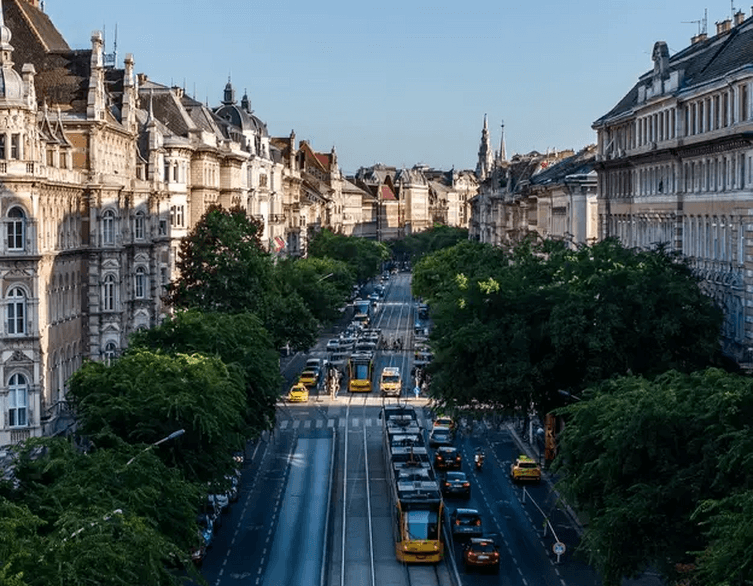
A Greener Grand Boulevard: Budapest’s Major Tree-Lined Renewal Takes Shape
Budapest’s Grand Boulevard is set to become greener, healthier and more pleasant to explore. New plans aim to renew the historic tree-lined avenue...
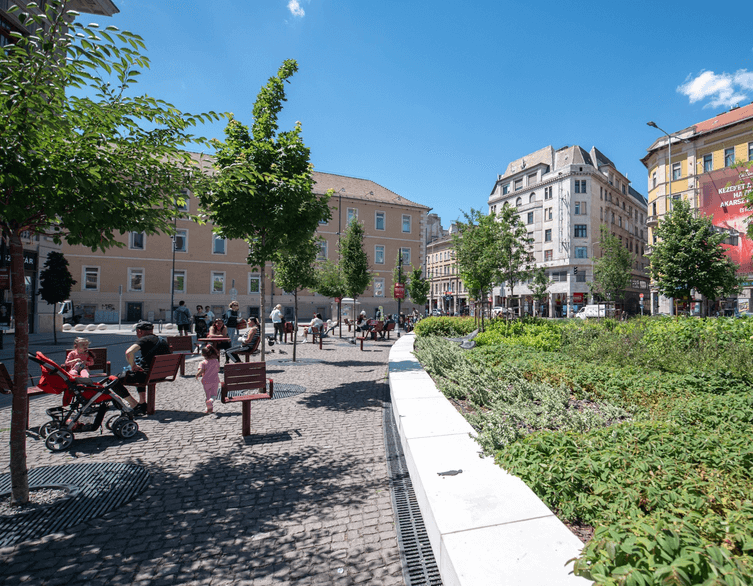
Budapest’s Green Future: The City Turns Into a “Sponge City”
Budapest has just taken a major step toward becoming one of Europe’s most climate-resilient capitals, and it’s a story worth knowing...
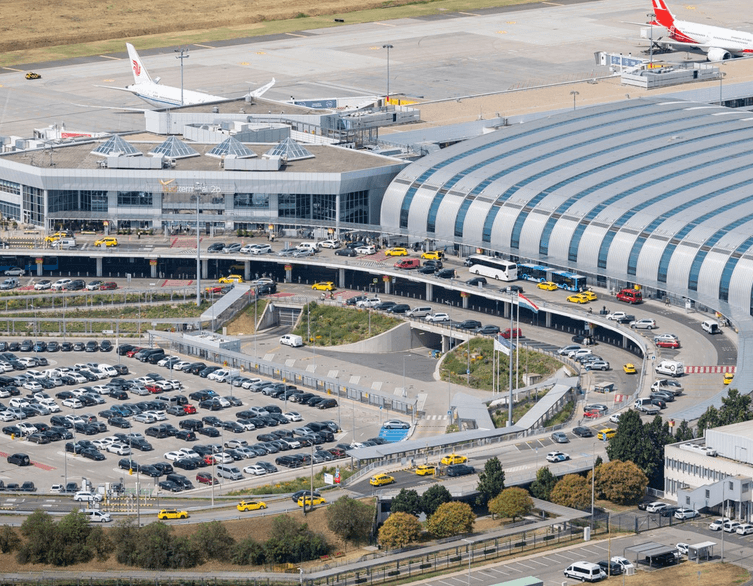
Budapest Airport Powers Up Its Green Future with EU Backing
Landing in Budapest is about to get a little cleaner and greener. Budapest Airport, the main gateway for most tourists arriving in Hungary, has ramped...
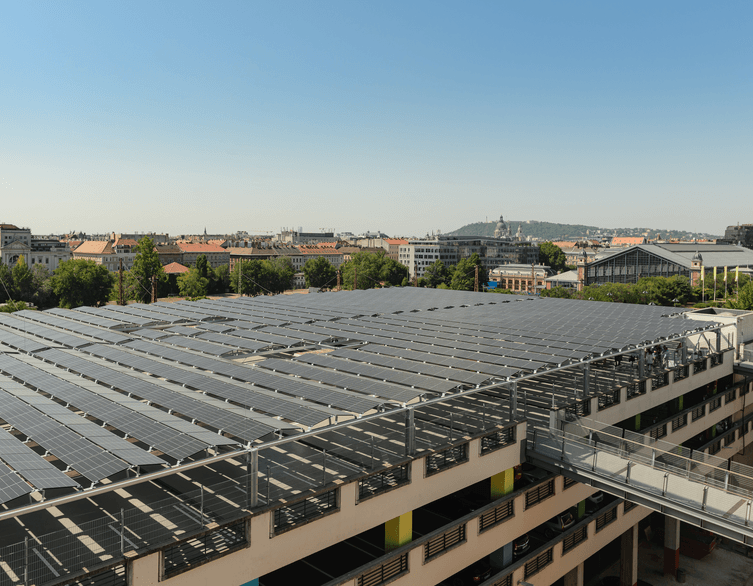
Westend Goes Green: Budapest’s Biggest Rooftop Solar Park Opens Above One of the City’s Favorite Malls
If you’ve ever browsed the shops at Westend Shopping Center in Budapest, you might not realize that just above your head now sits the city’s...
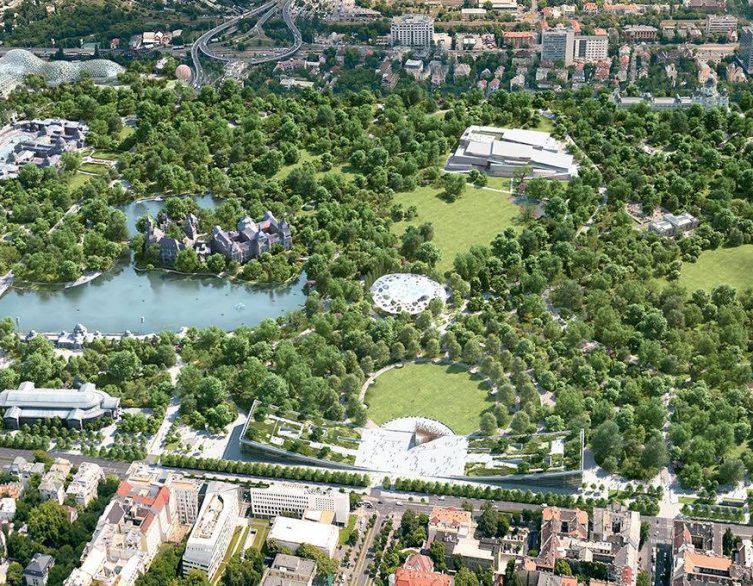
City Park Budapest Is Getting a New Lease of Life: Fences Down, Cars Out, Green Space Back
Something significant is happening in one of Budapest’s most beloved — and most contested — green spaces. City Park, known locally as Városliget,...
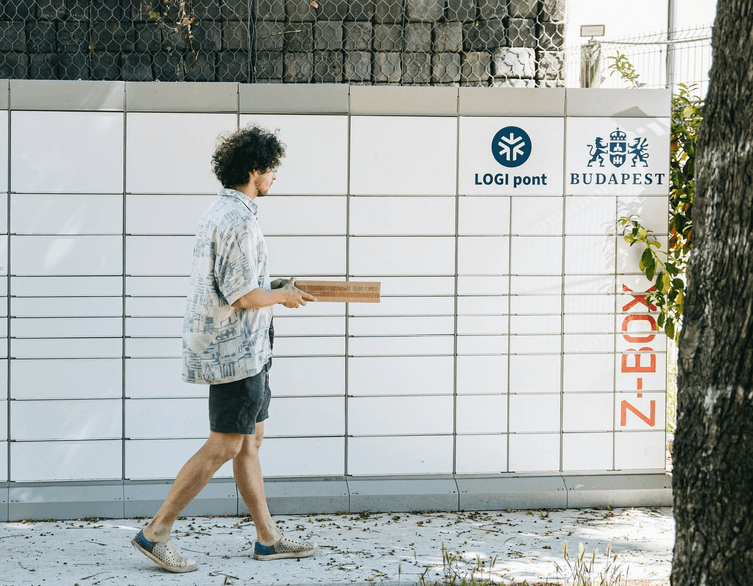
Making Budapest Greener by Introducing LOGI Points
Budapest has always been a city that surprises its visitors. Beyond the grand Parliament building, the steaming thermal baths, and the ruin bars...
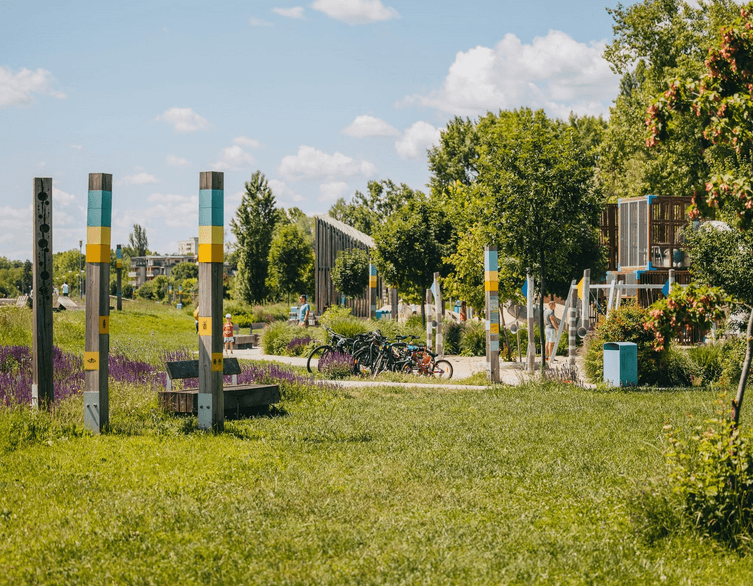
Pünkösdfürdő Park: Budapest’s Most Beautiful Eco-Friendly Green Space
Budapest has no shortage of parks, but Pünkösdfürdő Park in the city’s leafy 3rd district is something genuinely different. Stretching...
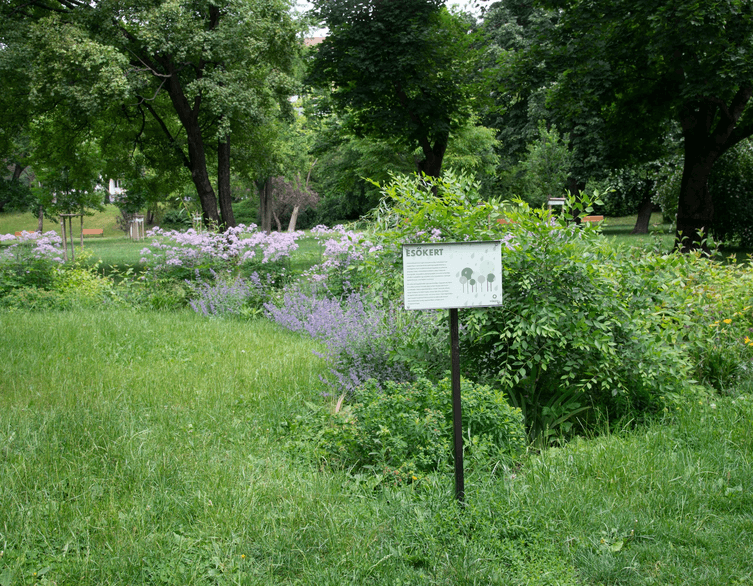
Budapest’s Greenest District Is Fighting Back Against Flash Floods — and the Results Are Beautiful
If you’ve ever strolled through the leafy hills of Budapest’s 12th District — known locally as Hegyvidék, meaning “Highland”...

Green Ways to Explore Budapest: Your Guide to Eco-Friendly Transport
Earth Day is a great reminder that protecting our planet doesn’t require grand gestures. In fact, some of the most meaningful changes start...