Budapest’s Jewish Cultural Festival 2026: Twelve Days of Music, Tradition, and Unforgettable Performances

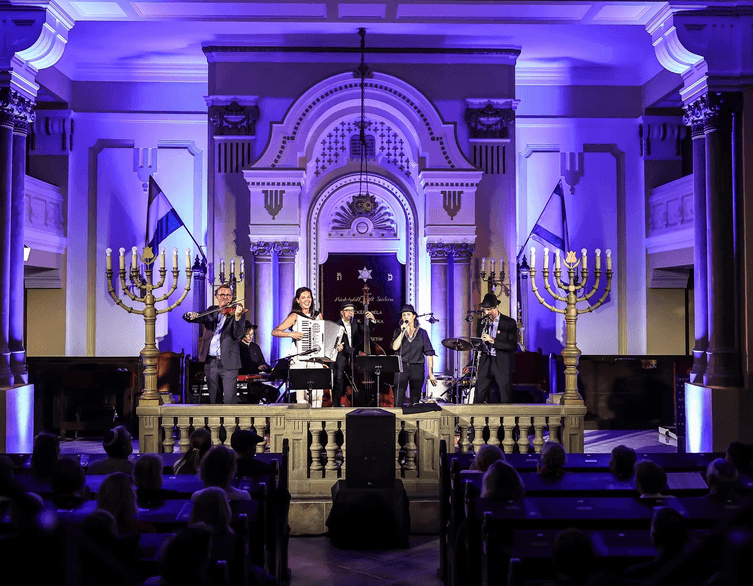
If you happen to be in Budapest between August 30 and September 10, 2026, you’re about to walk into one of the city’s most captivating annual events. The 28th Jewish Cultural Festival, organized by the Budapest Jewish Community (Mazsihisz), transforms the Hungarian capital into a living stage where world-class music, literature, and art meet centuries of Jewish heritage — all inside some of the most breathtaking synagogues in Europe. This isn’t a niche event for a specialist audience. It’s twelve days of concerts, literary evenings, and cultural encounters that draw visitors from across the globe.
Event at a Glance
Festival name: 28th Jewish Cultural Festival (28. Zsidó Kulturális Fesztivál)
Dates: August 30 – September 10, 2026
Opening event: August 30, 2026 at 7:00 PM
Closing event: September 10, 2026 at 10:00 PM
Organizer: Budapest Jewish Community (Mazsihisz)
Venues:
Dohány Street Synagogue — Europe’s largest synagogue | Rumbach Street Synagogue | Hegedűs Gyula Street Synagogue | Frankel Leó Road Synagogue | Goldmark Hall | Bálint House | Pécs Synagogue
Tickets:
- Online tickets are available at the official partner site
- Broadway Ticket Office, Károly körút 21. (near Deák Ferenc Square) — Mon–Fri: 10:00–18:00, Phone: +36-1/780-0780
- Belvárosi Színház Box Office, Dohány utca 1/a — Tue–Thu: 13:00–18:00 until July 31; Mon–Fri: 13:00–19:00 from August 21
Festival website: zsidokulturalisfesztival.hu
Where the Past and Present Collide
The festival’s motto — Tradition. Presence. Celebration. — captures something real about what makes it special. Unlike many cultural events that treat Jewish heritage as a museum piece, this festival insists on presenting it as something alive and immediate. The venues alone make that point powerfully. Budapest is home to some of the most magnificent synagogues on the continent, and the festival uses them not as backdrops but as vibrant cultural spaces that feel fully alive on concert nights.
The Dohány Street Synagogue, the largest synagogue in Europe, is the festival’s crown jewel and headline venue. Attending a concert here is an experience that goes far beyond the music itself — the architecture, the history, and the atmosphere combine into something genuinely unforgettable. The surrounding Jewish quarter in Budapest’s 7th district is one of the city’s most fascinating neighborhoods, dense with history, street art, ruin bars, and the layers of a complex past, making the festival feel embedded in the city rather than simply hosted by it.
The Dohány Street Synagogue Headline Concerts
The main venue program is where the biggest international names perform, and tickets for these evenings are already on sale.
August 30 — Gipsy Kings by Diego Baliardo
The Grammy-winning Spanish ensemble opens the festival with an evening of flamenco fire, Catalan rumba, and pure Mediterranean energy. Classics like Bamboléo, Volare, and Djobi, Djoba will ring out under that extraordinary domed ceiling, and the crowd will have a very hard time staying seated. It’s the kind of opening night that sets the tone for everything that follows.
Best deals of Budapest






August 31 — Budapest–Bratislava Klezmer Summit with Piroska Molnár
This is something rarer and deeply rooted in the festival’s spirit: the Budapest Klezmer Band and Bratislava’s Preßburger Klezmer Band share the stage in a joint concert where traditional klezmer weaves together Balkan, Slavic, and Romani musical influences. Special guest Piroska Molnár, one of Hungary’s most celebrated stage actresses and a National Artist, joins the performance in what promises to be a genuinely one-of-a-kind evening. Starts at 8:00 PM.
September 1 — Avishai Cohen Trio (Israel)
The legendary Israeli double bassist and composer is widely regarded as one of the most important figures in contemporary jazz. His music draws on Middle Eastern, Jewish, and Mediterranean traditions to create something that feels both ancient and thrillingly modern. If you catch only one jazz concert during your time in Budapest, make it this one. Starts at 8:00 PM.
September 2 — L’dor Vador: From Generation to Generation
The Hebrew title means “from generation to generation,” and the evening lives up to it. World-renowned cantor Netanel Hershtik, Kossuth Prize-winning violinist Barnabás Kelemen, and conductor Daniel Grossmann share the stage with the MÁV Symphony Orchestra in a rare artistic convergence that is about memory, continuity, and the music that carries both across time. Starts at 8:00 PM.
The Rumbach Street Synagogue Program
The Rumbach Street Synagogue hosts some of the festival’s most creative and intimate evenings. Budapest’s beloved electronic act Anima Sound System has created an entirely unique acoustic concert with a string quartet, designed specifically for the sacred space — a deeply spiritual experience that will feel nothing like their usual shows (September 3). On August 31, young Jerusalem-based pianist and vocalist Hillel bridges ancient Hasidic melodies and contemporary soul and R&B in a spellbinding solo performance.
Literary and theatrical evenings fill out the rest of the Rumbach program. A tribute to author György Spiró on his 80th birthday features a conversation with fellow writer Lajos Parti Nagy alongside live musical accompaniment (September 1). And on September 9, The Passengers of Moonlight brings celebrated actors Pál Mácsai, Tamás Szabó Kimmel, and Bence Tasnádi together to honor novelist Antal Szerb on the 125th anniversary of his birth, recreating the world of his beloved Journey by Moonlight.
The Hegedűs Gyula Street Synagogue Program
This venue offers a more intimate setting for some equally memorable evenings. Israeli clarinetist Orit Orbach arrives with her Hamsa ensemble to build a musical bridge between Budapest and Jerusalem through klezmer and jazz (September 7), while Jerusalem’s Di Gasn Trio fuses Eastern European klezmer with pulsing Balkan rhythms into something unmistakably modern (September 8). A special Swing à la Django edition reimagines classic Hungarian songs in joyful manouche swing style (September 1), and folk a cappella group Dalinda performs Sephardic melodies in richly layered vocal arrangements (September 2).
Why This Festival Belongs on Your Budapest Itinerary
The Jewish Cultural Festival draws an international crowd that has often traveled specifically for this event, alongside Budapest locals who consider it a highlight of their cultural calendar every year. That mix — global visitors, local enthusiasm, world-class performers in extraordinary venues — creates an atmosphere you simply won’t find elsewhere. You’re not just attending concerts; you’re participating in a city at one of its most vibrant and meaningful moments.
September in Budapest is also one of the finest times to visit the city: the summer heat softens into warm, comfortable days, the cultural calendar fills up, and the crowds begin to thin just enough to make exploring the Jewish quarter feel effortless. Pair a few festival evenings with a walk through the Great Market Hall, a sunset cruise on the Danube, or a long soak at the Széchenyi Thermal Bath, and you have the ingredients for a trip that’s genuinely hard to top.
Tickets for the Dohány Street Synagogue concerts are already on sale and will go quickly — especially for the Gipsy Kings and Avishai Cohen evenings.
Related attractions
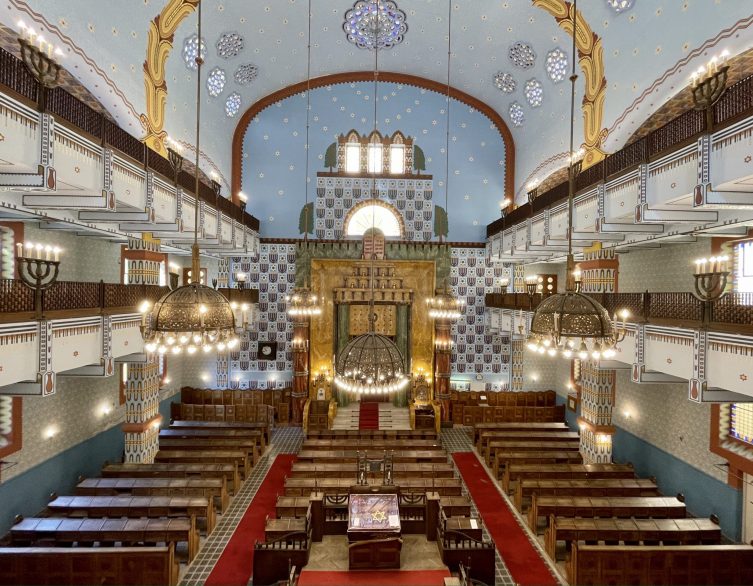
The Kazinczy Street Synagogue: The Center for the Orthodox Jewish Community
When visiting Budapest, one of the must-see attractions for foreign tourists is the Kazinczy Street Synagogue. This architectural marvel, built between...
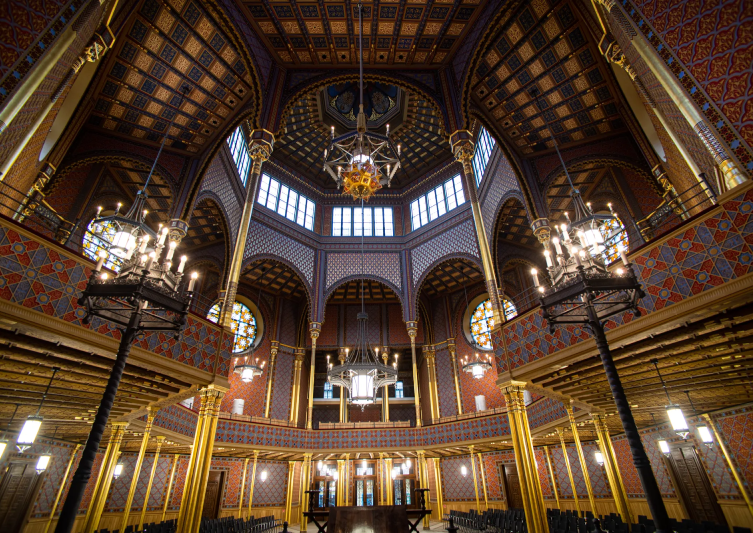
The Rumbach Street Synagogue: Discover The Restored Sacred Center
The Rumbach Street Synagogue, located in the heart of Budapest, is a stunning architectural masterpiece that showcases the genius of Austrian architect...
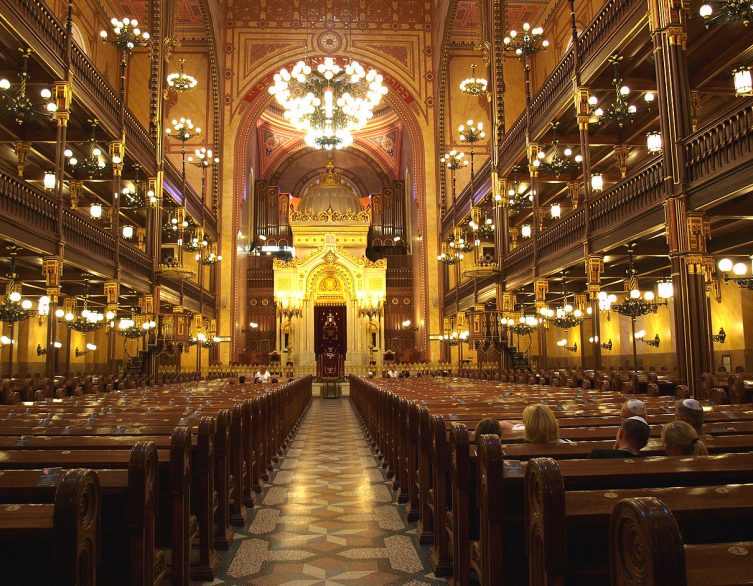
Dohány Street Synagogue: Budapest’s historic Jewish gem
The Dohány Street Synagogue, located in the heart of Pest, Budapest, stands as a monumental beacon of Jewish history and culture. Built in the 19th...
Related news
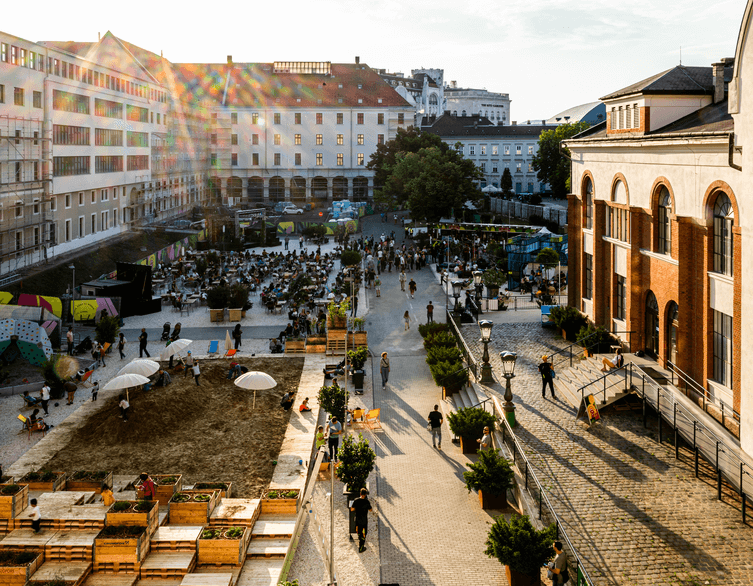
Your Perfect Budapest Weekend: September 4–6, 2026
Budapest doesn’t do quiet weekends, and this one is proof. Between Friday night and Sunday evening, the city layers a torch-lit forest hike,...
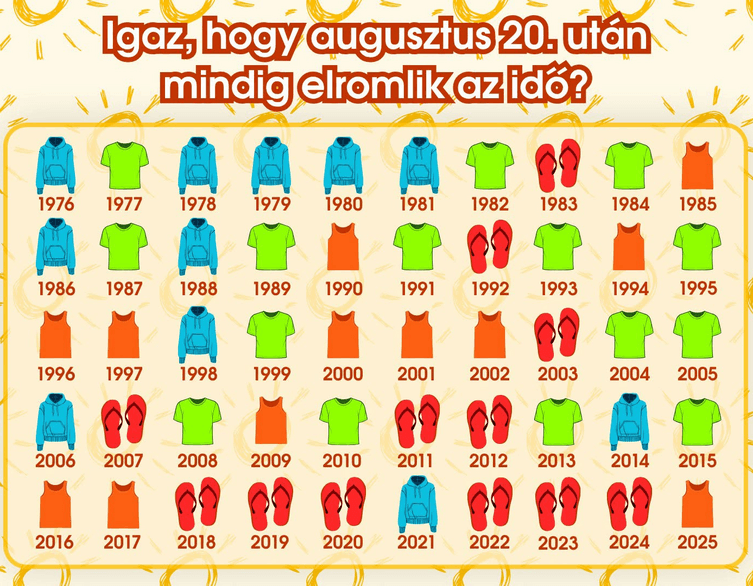
Budapest Just Broke Its Hottest St. Stephen’s Day Ever — And Summer Isn’t Done Yet
If you’re packing for Budapest right now and wondering whether to throw in a light scarf for cooler evenings, hold that thought. This year’s...
Discover the Many Faces of Jewish Culture at Budapest’s Jewish Cultural Festival
If you’re visiting Budapest at the end of summer, there’s a wonderful opportunity to experience the city through music, literature, film...
Budapest Opens Its Synagogues to the World This September
Every autumn, something quietly extraordinary happens in Budapest. The city’s historic synagogues — ordinarily visited for their architecture...