A Tiny New Statue at Széchenyi Bath Honors the Man Who Made It Possible
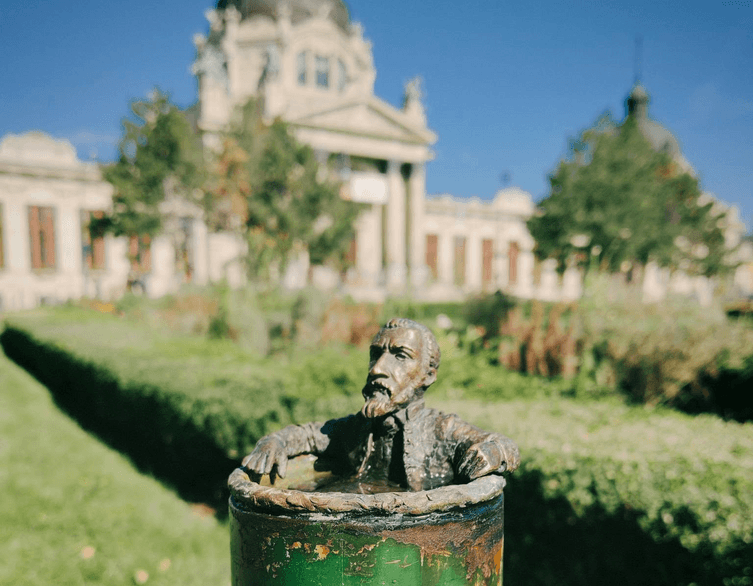
Budapest has never done anything by halves when it comes to its thermal water, and now the man who literally struck that water has finally gotten his own quiet tribute. Right near the main entrance of Széchenyi Thermal Bath, a brand-new miniature statue has appeared, and if you know where to look, it’s one of the most meaningful little monuments hiding in plain sight anywhere in the city.
The piece is the work of Mihály Kolodko, the Ukrainian-Hungarian sculptor famous across Budapest for his guerrilla-style mini statues that pop up unannounced on bridges, riverbanks, and street corners. His earlier works include a tiny bronze earthworm on the Danube embankment and a miniature tank commemorating the 1956 revolution, so locals have learned to keep an eye out for wherever he strikes next. This time, his subject is Vilmos Zsigmondy, the mining engineer whose drilling expertise gave Budapest the very spring that feeds Széchenyi Bath.
Who Was Vilmos Zsigmondy and Why He Matters Here
If you’ve ever floated in the golden-hued outdoor pools at Széchenyi and wondered where all that hot water actually comes from, the answer traces straight back to Zsigmondy. In 1868 he took on what would become the defining project of his career: sinking an artesian well deep beneath City Park, close to where Heroes’ Square stands today. Many contemporaries doubted him. By 1877, some experts were pushing to abandon the project altogether because of the spiraling costs, but Zsigmondy trusted his own calculations and pressed on. A year later, in 1878, he completed a borehole reaching nearly 970 meters, one of the deepest in Europe at the time.
What came gushing out was spectacular. The well produced around 1,200 cubic meters of water a day at a scalding 73.8 degrees Celsius, water so rich in dissolved gas that it appeared to be boiling as it surfaced. That thermal water first supplied a temporary bath on Margaret Island before eventually filling the pools of the Széchenyi Bath complex that opened at the turn of the century. Zsigmondy is also credited with popularizing artesian well drilling across Hungary more broadly, a technical skill that shaped the country’s relationship with its underground water reserves for generations. The work wasn’t without personal cost either; while examining microscopic fossils in the drilling mud under a microscope, he strained his eyes so severely that he lost sight in one of them.
Best deals of Budapest







Why the Statue Appeared Now
The timing of Kolodko’s tribute is no coincidence. Budapest is currently hosting the 53rd World Groundwater Congress of the International Association of Hydrogeologists, running from September 14 to 18, 2026, a major international gathering that hasn’t returned to Hungary in fifty years. Roughly 900 researchers, engineers, and water management specialists from around the globe have converged on the Budapest Congress Center to discuss sustainable water management, climate adaptation, geothermal energy, and the protection of groundwater resources.
Kolodko documented the entire creation process on his Facebook page, from shaping the tiny figure to installing it on a metal bollard near the bath’s entrance. Watch closely at the end of the clip and you’ll spot the logo of the International Association of Hydrogeologists, a small but deliberate nod confirming the statue’s connection to the congress. It’s simultaneously a memorial to Zsigmondy’s legacy, a tribute from the international hydrogeology community to Hungary’s water-engineering heritage, and a gentle public reminder that groundwater, though invisible beneath our feet, remains one of the most essential resources sustaining daily life.
Finding the Statue and Visiting Széchenyi Bath
For visitors who enjoy Budapest’s quirky habit of tucking tiny artworks into unexpected corners, this is a rewarding one to track down. The statue sits on a metal bollard not far from the main entrance of Széchenyi Thermal Bath, at Állatkerti körút 9–11 in City Park, easily reachable by metro line M1 to the Széchenyi fürdő stop. Spotting it takes a bit of patience since Kolodko’s works are famously small and unassuming, but that’s part of the appeal that has turned hunting for his statues into an informal city-wide treasure hunt.
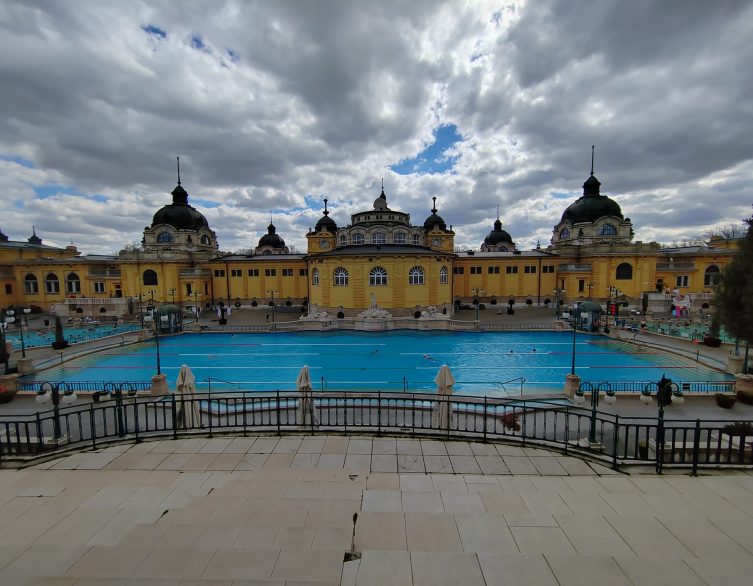
Once you’ve found the tribute to the man who made it all possible, there’s no better way to honor his legacy than by stepping into the very water he uncovered. Széchenyi remains one of Europe’s largest medicinal bath complexes, its grand yellow Neo-Baroque building housing 18 pools of varying temperatures, including the iconic outdoor thermal pools where locals famously play chess while steam rises off the water on cold mornings. Whether you’re there for the history, the architecture, or simply a long soak after a day of sightseeing, this small statue adds an unexpected layer of meaning to a Budapest institution that millions of visitors enjoy without ever knowing the story of the man who found the water beneath their feet.
Related news
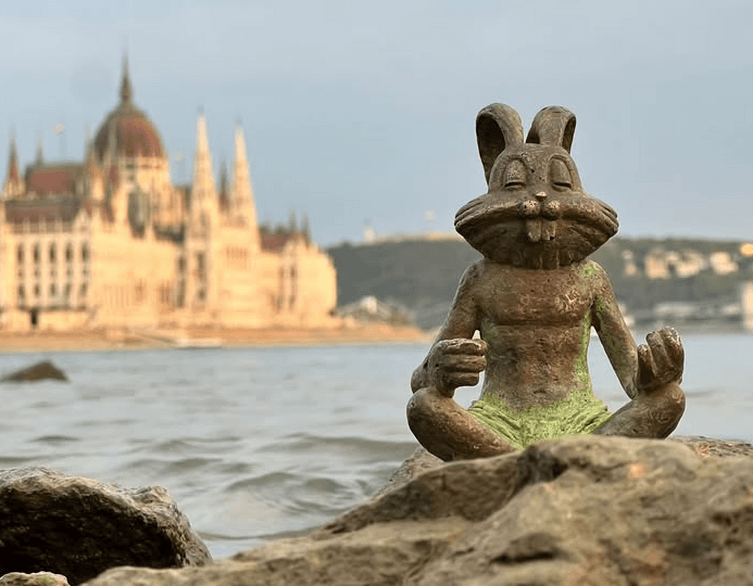
Budapest’s Secret Bronze Treasures: The Mystery of the Vanishing Kolodko Mini Statues
If you have wandered through Budapest lately with your eyes glued to the pavement, railings, and stone ledges, you already know the thrill of the...
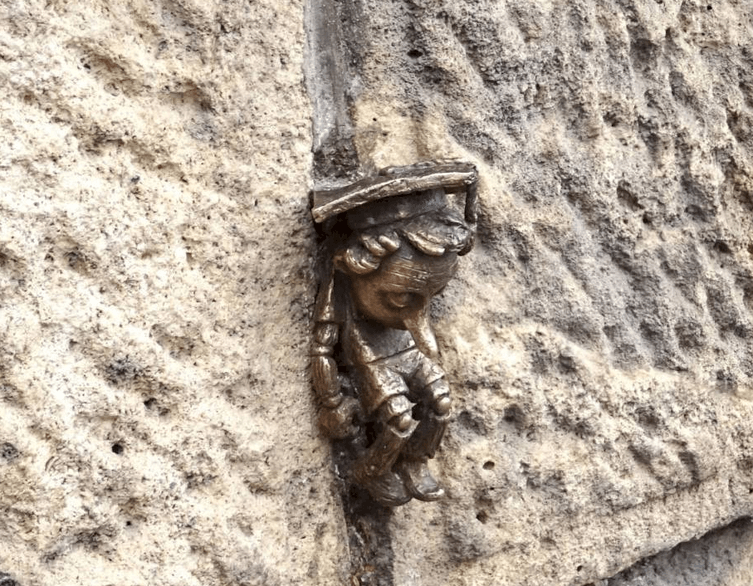
Another Kolodko Statue Appears in Budapest: Meet the Hanging Pinocchio
Budapest’s favorite tiny troublemaker has been on quite a roll lately, and this latest reveal might be his busiest day yet. Guerrilla sculptor...
Budapest’s Tiniest Troublemaker Strikes Again: Two New Kolodko Statues to Hunt Down
If you’ve spent any time wandering around Budapest, you’ve probably noticed that this city has a soft spot for the unexpected. Tucked...
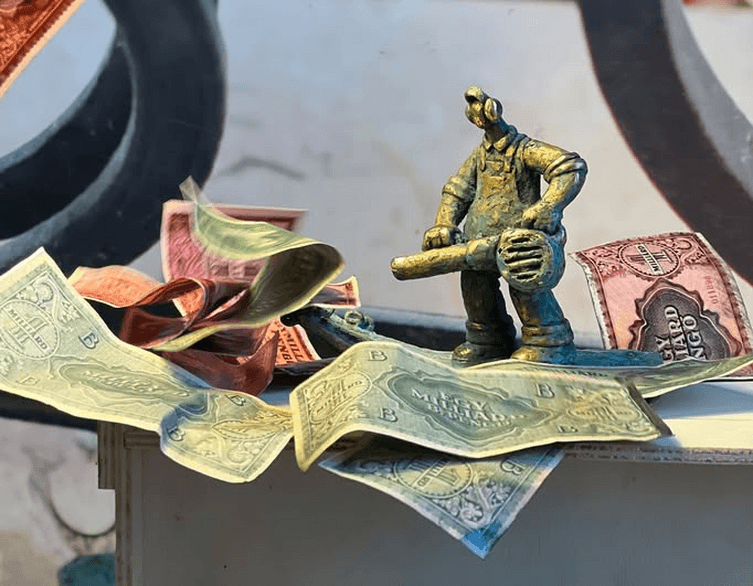
Mihály Kolodko’s Newest Mini-Statue Lands Right Beside Budapest’s National Bank
If you’ve spent any time exploring Budapest, you’ve probably already stumbled upon one of Mihály Kolodko’s tiny, witty bronze...
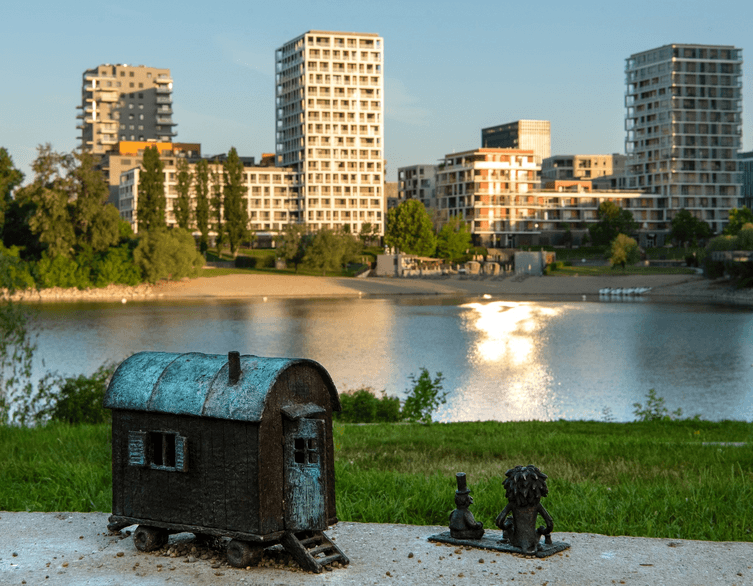
A New Hidden Gem at BudaPart: Kolodko’s Mini Statues
Budapest’s ever-growing collection of charming mini statues has just welcomed a delightful new addition at BudaPart, one of the city’s most modern...
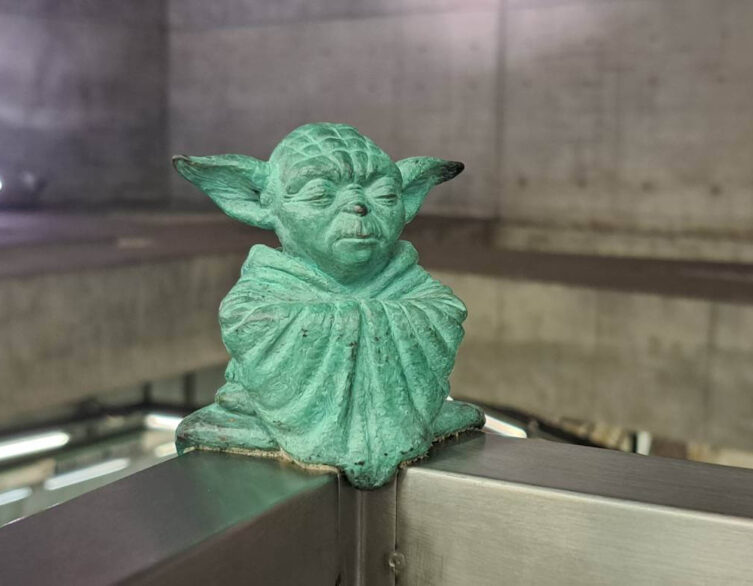
Budapest’s Hidden Gems: Kolodko’s Miniature Masterpieces
Budapest, the enchanting capital of Hungary, is home to a unique form of street art that has been captivating locals and tourists alike. Mihály...
Related attractions