Why Bus Lanes in Budapest Are Not a Free-for-All — and Why That’s Good News for You
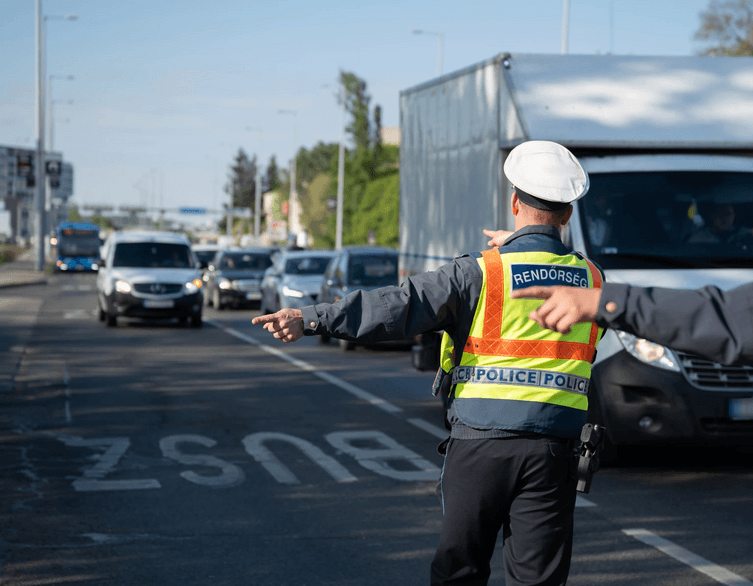
If you’ve ever ridden a bus in Budapest and wondered why it seems to move so smoothly through traffic, part of the answer lies in those dedicated bus lanes painted along some of the city’s busiest roads. They exist for a reason — and Budapest’s transport authorities are making sure that reason is respected.
The Crackdown You May Not Have Noticed
On April 22 and 23, 2026, Budapest’s Centre for Transport (BKK) and the Budapest Police Headquarters (BRFK) carried out a joint two-day enforcement operation targeting the city’s bus lanes. The results speak for themselves: 87 enforcement actions were taken across just 48 hours, involving 25 police officers and five BKK traffic supervisors working side by side.
The operation wasn’t only about drivers sneaking into bus lanes to beat traffic. Officers also took action against vehicles parked or loading in bus lanes — a less obvious but equally disruptive habit that forces buses to pull out into general traffic and lose precious time. Locations covered included some of Budapest’s most well-known roads: Andrássy Avenue in the 6th District, Hegyalja Road near Castle Hill, Szentendrei Road in the north, Soroksári Road along the Danube, and the approach to the M5 motorway on the southern edge of the city.
What the Numbers Tell Us
Of the 87 cases, 72 people received on-the-spot fines. Four cases escalated to formal misdemeanour reports — two for unauthorised use of a bus lane, one for driving without a licence, and one for operating a vehicle that had been taken off the road. Six administrative fines were issued for seatbelt violations and running red lights. Officers also detained a wanted person, and individuals were apprehended for drink-driving, drug-impaired driving, and vehicle identity fraud. What started as a bus lane check, in other words, ended up catching quite a lot more besides.
Best deals of Budapest








A Long-Term Partnership, Not a One-Off
This kind of joint enforcement isn’t a new idea in Budapest. BKK and the Budapest Police Headquarters have had a formal cooperation agreement in place since 2020, with the shared goal of improving both road safety and quality of life in the city. In 2025 alone, the two organisations carried out nearly 150 joint operations, and that pace is continuing into 2026.
The scope of these operations goes well beyond bus lanes. Every month, joint teams board public transport vehicles to check tickets, monitor passenger behaviour, and inspect vehicle conditions. They also work alongside Hungary’s National Tax and Customs Administration and the National Transport Authority to carry out checks on taxis — identifying unlicensed operators and ensuring passengers are protected from rogue services.
What This Means If You’re Visiting Budapest
For tourists, this is quietly reassuring news. Budapest has an excellent public transport network — the metro, trams, and buses together cover virtually every corner of the city — and a big part of what makes it reliable is that the infrastructure supporting it is actively enforced and maintained. When bus lanes are kept clear, buses run on time. When taxis are regularly inspected, you can hail one with confidence.
If you’re getting around by bus, you’ll notice those dedicated lanes on major roads like Andrássy Avenue, one of Budapest’s grandest boulevards and a UNESCO World Heritage street in its own right. Trams, too, run on their own tracks, largely unaffected by car traffic. The result is a system that, by the standards of a city of nearly two million people, moves with impressive efficiency.
The broader message from BKK is one worth keeping in mind whether you’re a visitor or a local: safe, liveable cities are a shared responsibility. The bus lane belongs to the bus — and to everyone on it.
Related news
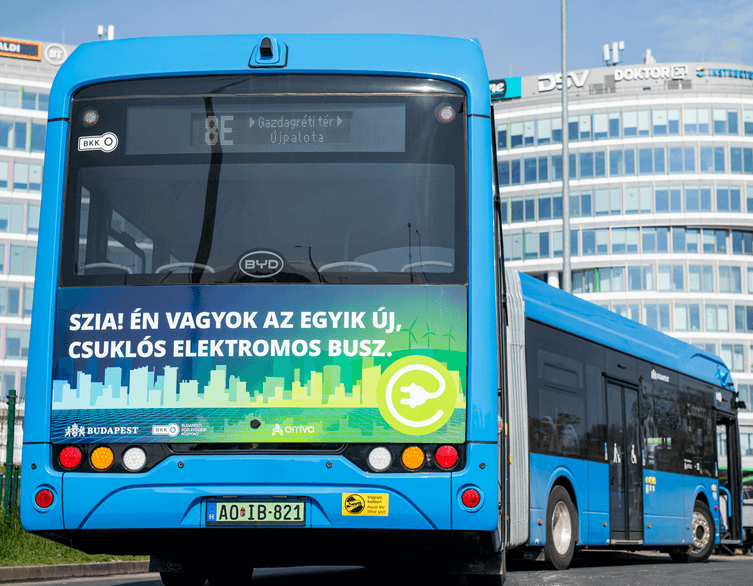
Budapest’s Buses Just Went Electric — and Riding the City Has Never Been This Good
If you thought Budapest was already one of Europe’s most impressive cities, wait until you hear what’s happening on its streets. While...
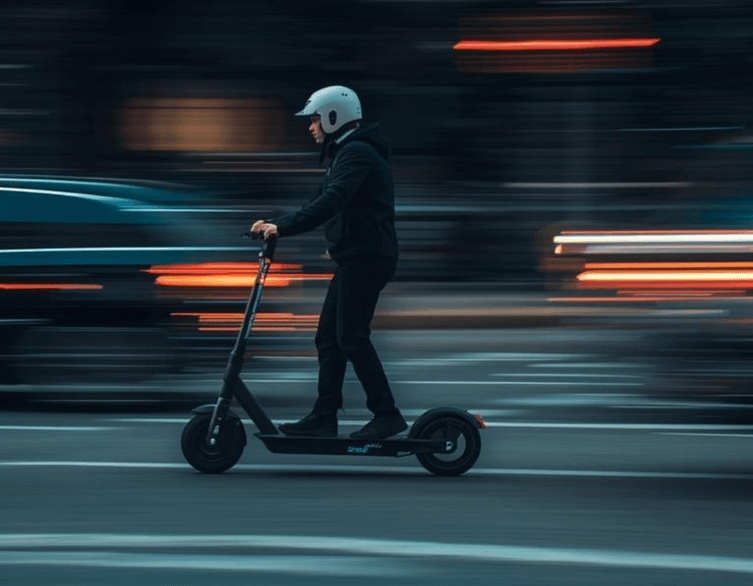
Hungary’s New Traffic Rules Arrive in 2026: What Drivers, Cyclists, and E-Scooter Riders Need to Know
From September 2026, Hungary will roll out its most significant road safety reform in over fifty years — a brand-new Highway Code (KRESZ) that...
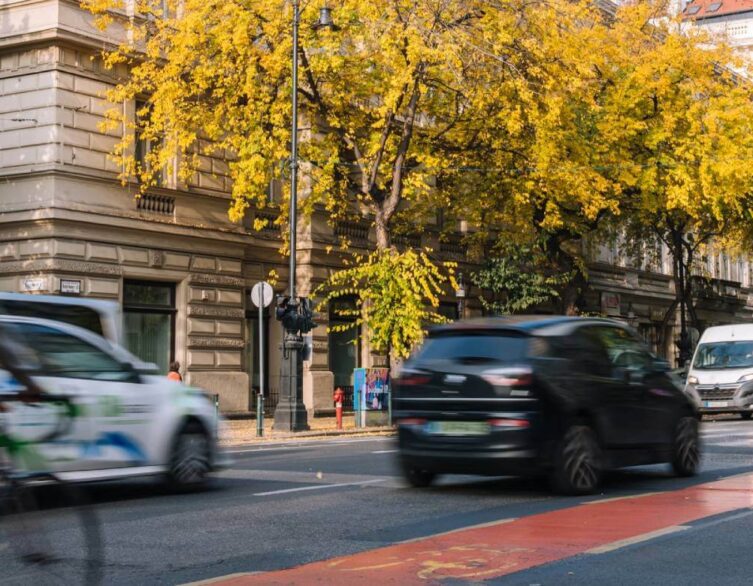
Traffic Changes in Budapest Make The City More Pedestrian-friendly
Budapest continues to prioritize road safety through targeted speed limit reductions, particularly in high-traffic areas frequented by tourists and...