See Budapest Through a Child’s Eyes: A Unique Exhibition at the Underground Museum
A Special Show With Only Days Left
If you happen to be in Budapest this week, there is one more reason to head down to the metro — and it is not just to catch a train. Tucked inside the Millennium Underground Museum at Deák Ferenc Square, a captivating temporary exhibition has been drawing in visitors since June 2025, and it is coming to a close this Sunday. Titled “How We Travel(led) — Budapest Public Transport Through Children’s Eyes,” it is the kind of display that manages to be fun, nostalgic, and genuinely thought-provoking all at once.
The exhibition has already been enjoyed by hundreds of individual visitors, school groups, pensioner clubs, and foreign tourist groups over the past year, and it is easy to see why. Whether you are a transport enthusiast, a history buff, or simply someone who enjoys discovering unexpected gems in a city, this is a memorable way to spend an hour underground.
What the Exhibition Is About
At its heart, the show explores how children in Budapest have experienced the city’s public transport system over the past 75 years — from the early days of Greater Budapest’s formation in 1950 right up to the present day. It is a cultural history of trams, buses, metro lines, and trolleybuses, but seen through the most honest and unselfconscious lens imaginable: the eyes of a child.
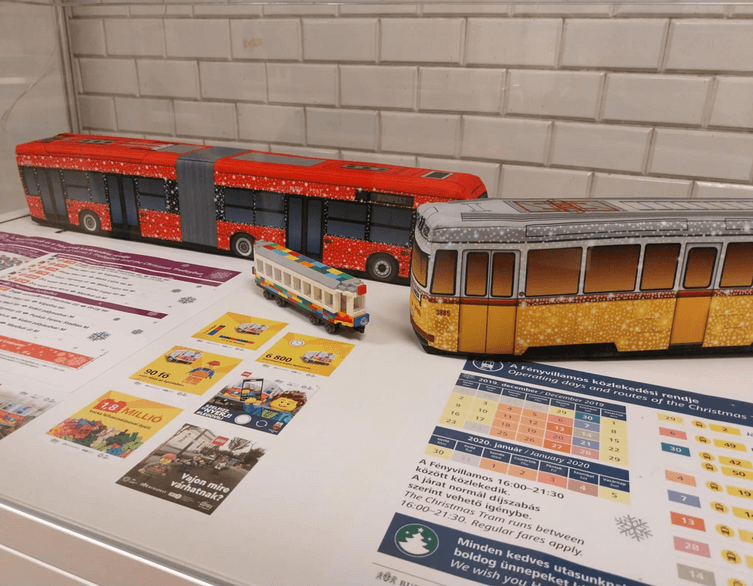
The display is rich with original artefacts that bring the decades vividly to life. Vintage photographs and posters sit alongside actual tickets, season passes, and route signs that once guided passengers through the city. Children’s books featuring trams and buses, old toys modelled on public transport vehicles, and passenger information materials from different eras round out a collection that is as colourful as it is historically rich. Together, these objects trace how the way Budapestians think about, use, and depict public transport has shifted across generations — and what has stayed remarkably the same.
Best deals of Budapest








Where to Find It
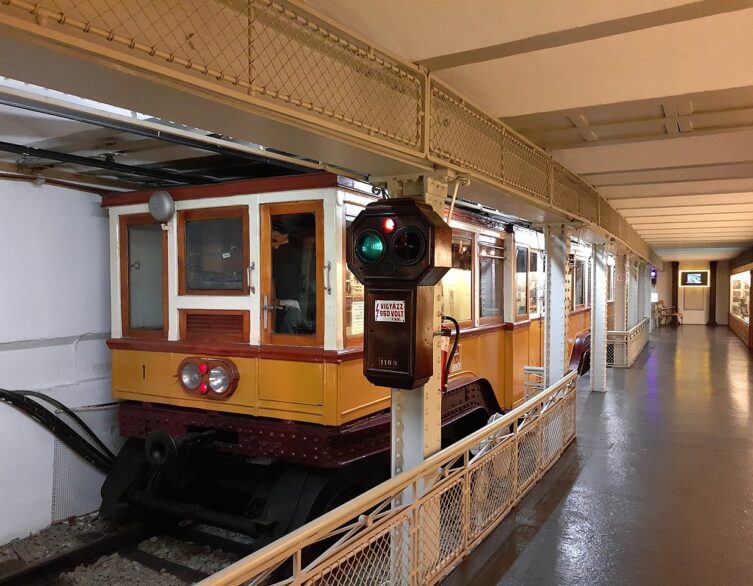
The museum itself is one of Budapest’s most unusual cultural spaces. The Millennium Underground Museum is built into an original tunnel section of Metro Line 1 — the Millennium Underground — which is the oldest metro line on the European continent, inaugurated in 1896. The section on display was withdrawn from service in 1955 during the construction of the East-West metro line, and it has since been preserved as a living piece of the city’s engineering heritage. Real historical carriages sit inside the tunnel alongside showcases of documents, maps, photographs, and models that chart the metro’s entire history from construction to today.
The museum is located directly in the underpass at Deák Ferenc Square (Deák Ferenc tér), making it absurdly easy to visit — it is right at the heart of the city, where all three metro lines converge. You can be stepping inside within minutes of arriving at one of Budapest’s busiest intersections, and the 50-year-old museum space gives the visit an atmosphere that more conventional exhibition halls simply cannot replicate.
Why It Is Worth Your Time
Budapest has no shortage of world-class museums, but the Underground Museum offers something genuinely different: a compact, accessible, and free-to-enter space that rewards curiosity. The temporary exhibition adds an extra layer of charm by framing the history of the city’s public transport through childhood memories and youthful perspectives — a reminder that trams, buses, and metro lines are not just infrastructure, but part of the cultural fabric of everyday life.
For visitors travelling with children of their own, it is also a surprisingly engaging stop. Spotting the old toys and illustrated children’s books among the exhibits tends to spark exactly the kind of questions that make sightseeing feel like a real conversation. And for anyone interested in mid-20th century design, the vintage posters and printed materials alone are worth a visit.
Don’t Miss It — The Clock Is Ticking
The exhibition closes this Sunday, April 27, after which the museum will begin preparing its next temporary show. If you are in Budapest before then, a detour to Deák Ferenc Square takes no extra effort and costs nothing beyond your regular travel ticket. And even after the current exhibition wraps up, the permanent collection of the Millennium Underground Museum remains one of the city’s most rewarding free attractions — a reminder that Budapest’s relationship with public transport goes back further, and runs deeper, than almost anywhere else in Europe.
Related news
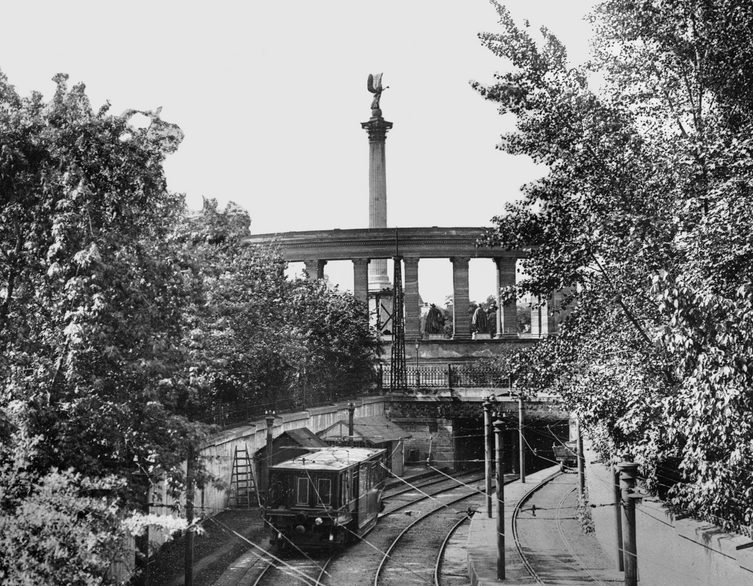
Budapest’s Little Underground Turns 130: The Metro That Didn’t Wait for the Emperor
If you’ve ever hopped on the tiny yellow tram that burrows under Andrássy Avenue, congratulations — you’ve just ridden a piece of...
Budapest’s Underground Railway Museum Unveils Playful New Exhibit: How We (Used to) Travel – Public Transport Through Children’s Eyes
If you thought Budapest’s public transport was just about getting from A to B, think again! The city’s beloved Underground Railway Museum at...
Related attractions