How to Stay Safe from Taxi Scams During the UEFA Champions League Final in Budapest

If you’re visiting Budapest for the 2026 UEFA Champions League Final, you’re not just in for a thrilling football match—you’re stepping into one of the city’s busiest and most exciting weekends. Tens of thousands of international fans, media, and visitors will flood the capital, and demand for taxis is expected to jump by 20–30 percent. That’s great news for the local taxi industry, but it also means that tourists are especially vulnerable to overcharging and card scams.
This is the weekend when “hungry hyenas” tend to come out—the opportunistic, unlicensed drivers who prey on the unsuspecting, especially those unfamiliar with Budapest’s rules and fare system. Here’s what you need to know to protect yourself and enjoy a smooth trip around the city.
Why the UEFA Champions League Weekend Is Risky for Taxi Rides
The UEFA Champions League Final weekend is anything but ordinary in Budapest. The city’s taxis typically see a 20–30 percent increase in demand, and the surge becomes even more pronounced near the Puskás Aréna, the city center, and the airport. The mix of intoxicated fans, late-night matches, and language barriers creates a perfect environment for unscrupulous drivers to exploit unsuspecting passengers.
Best deals of Budapest











Metál Zoltán, a representative of the Országos Taxis Szövetség (Hungarian Taxi Federation), warns that every major event drawing large numbers of foreign tourists tends to attract “hiénák” — operators who undercut legal competitors and charge unjustified fares. These drivers are not only unethical but also illegal, as they operate without proper licenses or documentation. The problem is compounded by the fact that many tourists are unaware of the local rules and tariff structures, which makes them easy targets.
Common Tricks Used by Taxi Scammers
Taxi scammers, or “taxi hiénák,” use a variety of tricks to overcharge passengers. The most common tactic is simple overcharging. An experienced driver may charge anywhere from twice to ten times the normal fare. Another widespread scam is card fraud. Scammers use the POS terminal (credit card machine) to double or even multiply the amount a passenger is supposed to pay. In one example, a 5,800 forint charge becomes 58,000 forint simply by adding an extra zero.
In more subtle cases, drivers may change the currency on the POS terminal, such as switching from Hungarian forint to Swiss franc, which dramatically increases the charge for the passenger. Also common is the “card reader hiding” scam, where the driver hides the POS terminal display so the passenger cannot see the amount being charged. These tricks are especially effective on foreign tourists, who may not realize they’ve been overcharged until they check their card statements later.
There are also cases where drivers refuse to show documents or licenses when requested by passengers or inspectors. This is a red flag and a sign that the driver is operating illegally. If confronted, such drivers often simply drive away rather than comply with the rules.
How to Choose a Safe Taxi
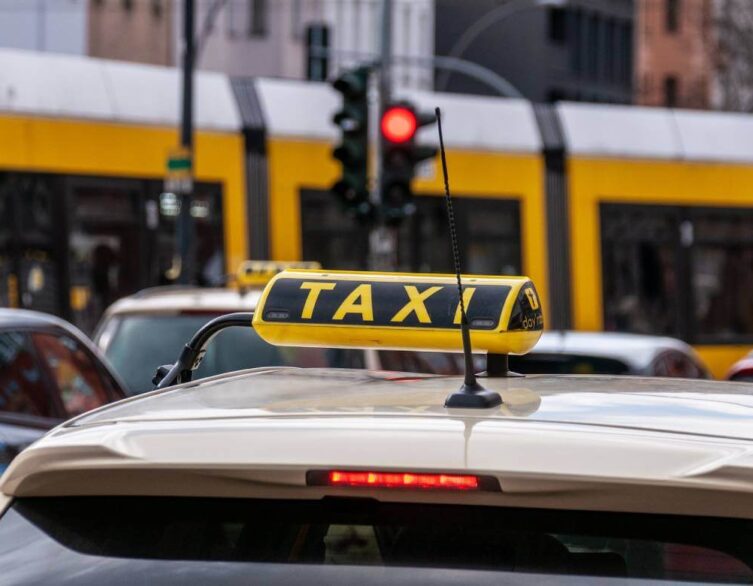
Choosing a safe taxi is the best way to avoid these scams. The safest option is to use a taxi booked through an app or by phone. Ridesharing apps like Uber, Bolt, or local taxi apps offer fixed fares, driver tracking, and review systems that make it easy to identify and report suspicious behavior. If you must hail a taxi on the street, make sure the vehicle is clearly labeled as a taxi and has a visible license number. Official taxis in Budapest are marked with “TAXI” on the roof, and the driver’s ID and license should be visible inside the car.
Avoid “on-the-spot” or “street-corner” taxis, especially those that approach you at the airport, train station, or near the stadium without a clear sign of authorization. These are the primary vehicles used by scammers. Always check the meter and the fare before you start the ride, and confirm the estimated time and price with the driver.
What to Do If You Suspect a Scam
If you suspect a taxi scam, act quickly. First, keep all receipts and any photos of the taxi’s license plate and driver’s ID. If you paid by card, check the amount on your receipt and compare it to the expected fare. If the amount is suspicious, contact your bank immediately and request a refund or dispute the charge. Most banks allow you to file a chargeback dispute within a certain period after the transaction.
You should also report the incident to the Budapest Taxi Association and the Budapest Transport Authority (BKK). They have a dedicated hotline for such complaints and can investigate the driver. Providing them with the license plate number, driver’s ID, and the time of the ride can help them track down the offender. Local authorities have already issued fines of up to 1.04 million forints for drivers who refuse inspection or operate without proper documentation.
Other Transportation Tips
If you’re worried about taxis, consider using public transportation. Budapest’s public transport system is extensive and affordable, and during the UEFA Champions League weekend, extra services are scheduled to accommodate the increased demand. Use the BKK app or the local transit map to plan your route. If you prefer a more secure ride, consider a pre-booked ride through a reputable taxi company or a licensed car service.
During the UEFA Champions League weekend, expect increased traffic and road closures around the Puskás Aréna and the city center. The stadium is often closed to vehicles several hours before the match, and the surrounding streets can be congested. Plan to leave earlier than usual to avoid delays. If you’re staying near the stadium, consider walking or using a bike instead of a taxi.
Related news
Budapest Taxi Fares Are Going Up in August 2026: What Tourists Need to Know
If you’re planning a trip to Budapest this summer or autumn, there’s a practical update worth knowing before you land: taxi fares across...

UEFA Champions League Final 2026 in Budapest: The Ultimate Guide for Tourist
Budapest is about to witness history. On Saturday 30 May 2026, the city’s Puskás Aréna will host the UEFA Champions League Final between...

Where to Watch the Champions League Final in Budapest: The Best Spots for an Unforgettable Night
Budapest is preparing for a truly historic weekend on May 30, 2026, when the UEFA Champions League Final arrives at the Puskás Aréna for the first...

The UEFA Champions League Final Is Coming to Budapest — Here’s How to Get a Ticket Without Selling Your Kidney
On May 30, 2026, Budapest will host the biggest club football match on the planet. The UEFA Champions League Final is coming to Puskás...

The UEFA Champions League Final Is Coming to Budapest — Here’s Why You Should Be Here
Budapest has hosted royal visits, survived sieges, and thrown parties that would make a Roman emperor blush. But on May 30, 2026, the city will pull...
Related events