Budapest Wants to Make Walking the Easy Part of Your Trip
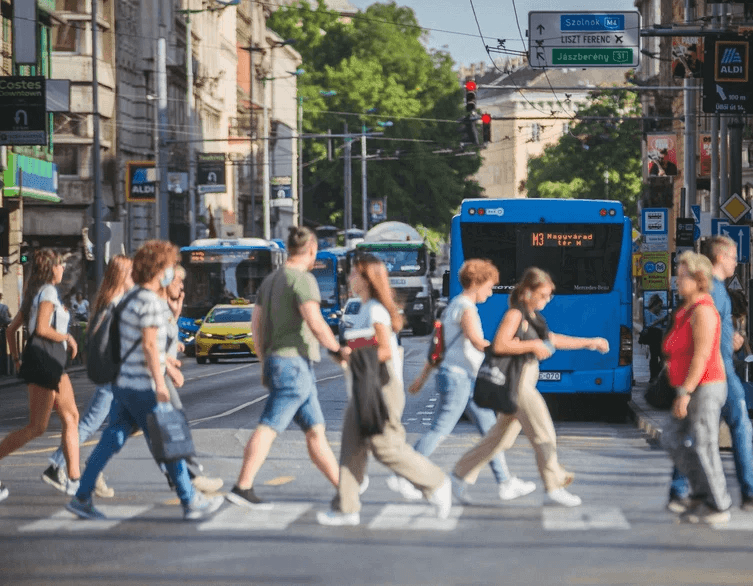
Budapest is a city that rewards wandering. You set out for the Hungarian Parliament Building, spot an inviting side street, stop for a coffee, and somehow arrive at the Danube an hour later. The walking is usually the best part. The uneven pavement, awkward crossing or tram stop you cannot easily reach? Less so.
A new pedestrian strategy adopted by the Budapest City Council on 25 September 2026 aims to make those everyday journeys safer, more comfortable and more accessible. Developed by the Budapest Transport Centre, it sets out long-term goals for pavements, crossings, public transport stops and residential streets. In other words, the city is thinking not only about the places tourists come to see, but also about the few hundred metres it takes to get between them.
More Crossings, Easier Tram Stops
One of the strategy’s most tangible goals is to create 200 new pedestrian crossings by 2030. That could mean fewer occasions when your destination is clearly visible across the road but the nearest safe place to cross appears to be on another sightseeing itinerary.
Budapest also wants at least half of its tram stops to be fully accessible by 2030. According to a 2026 survey by the Budapest Transport Centre, 43% of the city’s 658 tram stops currently meet all accessibility requirements. Better stops matter whether you use a wheelchair, travel with a pushchair, carry heavy luggage or simply appreciate boarding a tram without treating the platform as an obstacle course.
Best deals of Budapest










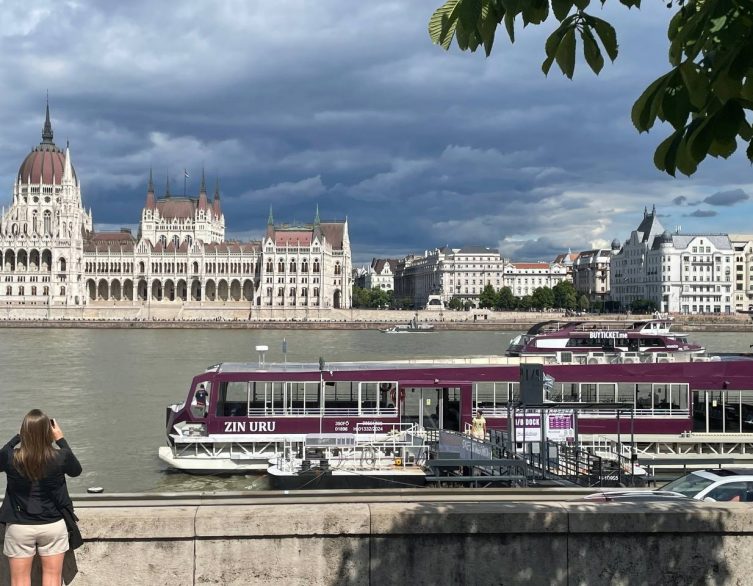
By 2035, the city aims to make junctions with road underpasses accessible, preferably by adding street-level crossings where possible. That could make a noticeable difference to anyone who finds stairs difficult—or has ever stood at an unfamiliar junction wondering how to reach the other side without going underground.
Quieter Streets and Better Walks
The plans extend beyond the busiest roads. By 2040, Budapest aims to bring every local residential street into a traffic-calmed area or introduce physical measures that encourage drivers to slow down. The longer-term ambition is for the city’s public spaces and transport system to become fully accessible and pedestrian-friendly by 2050.
This is not a promise that 200 crossings will appear overnight, or that every pavement will be smooth by your next visit. It is a strategy with targets stretching over decades. For now, visitors should still plan routes around their own accessibility needs rather than assume every stop, underpass or crossing has already been upgraded.
The plan also reflects what Budapest residents said would make them happier to walk. In a public consultation, 81% of respondents wanted more shade and greenery, 73% prioritised filling gaps where pavements are missing, and 62% wanted existing pavements repaired. Those are practical wishes, not extravagant demands. A pleasant walk needs more than an interesting destination; it needs a route that feels good along the way.
For tourists, that is the promise behind Budapest’s pedestrian strategy. The city’s landmarks may bring you here, but its streets connect the experience. Making those streets easier for more people to use could leave everyone with more energy for the important decisions—like whether the next stop is a museum, a riverside stroll or another slice of cake.
Related news
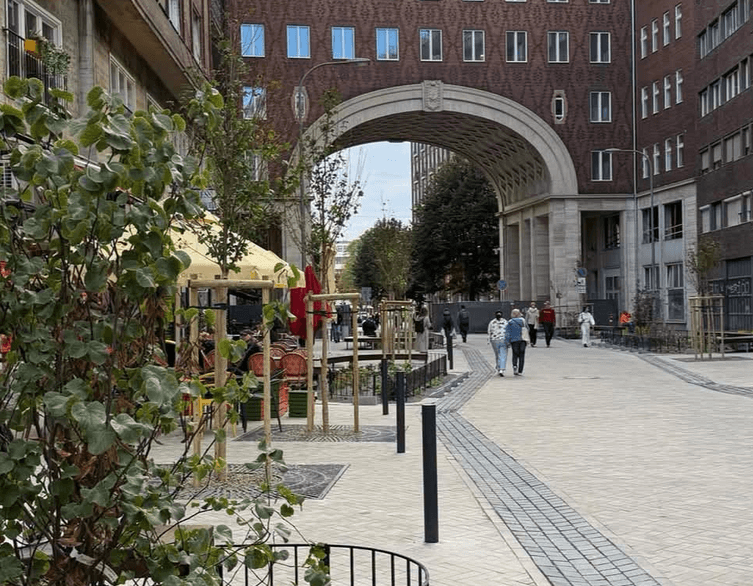
Budapest’s Madách Square Has a New Pedestrian Street
Madách Square has a new pedestrian street, and it already feels as though it has always belonged to people on foot. What was once a parking area...
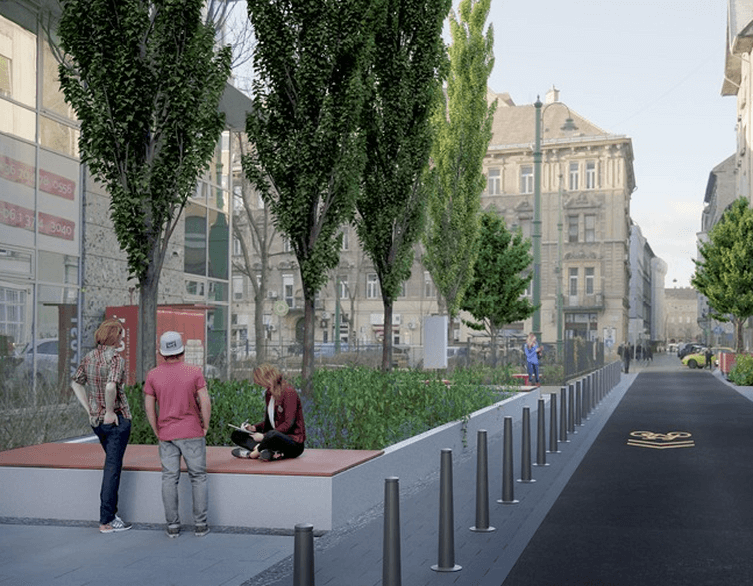
Budapest’s District VII Gets Greener: New Pedestrian Zones Transform Inner-Erzsébetváros
Budapest’s vibrant District VII, known locally as Erzsébetváros, is undergoing a significant transformation that’s making the neighborhood...
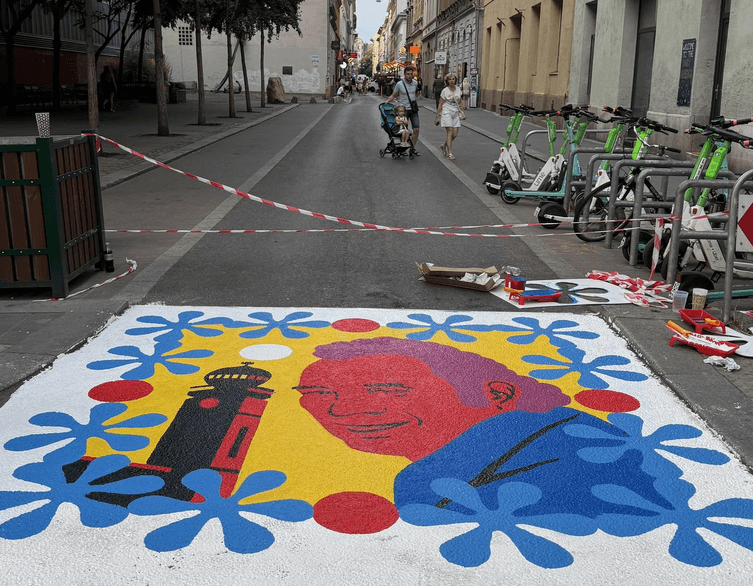
Budapest’s Downtown Transforms: New Pedestrian Streets Bring Family-Friendly Freedom to the City Center
Budapest is rolling out the red carpet for walkers, and the transformation is nothing short of spectacular. Several streets in the downtown area...
Budapest’s Inner Erzsébetváros: A New Era for Pedestrians and Cyclists
If you’ve ever wandered the bustling streets of Budapest’s Inner Erzsébetváros and felt like you were taking part in a real-life game of Frogger,...
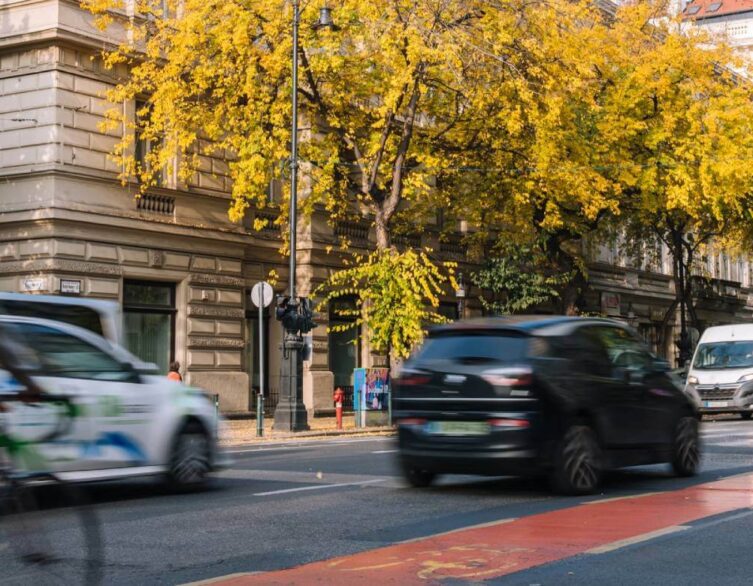
Traffic Changes in Budapest Make The City More Pedestrian-friendly
Budapest continues to prioritize road safety through targeted speed limit reductions, particularly in high-traffic areas frequented by tourists and...