Budapest in the Spotlight: Champions League Final, Sky-High Prices, and the Airbnb Battle Reshaping the City
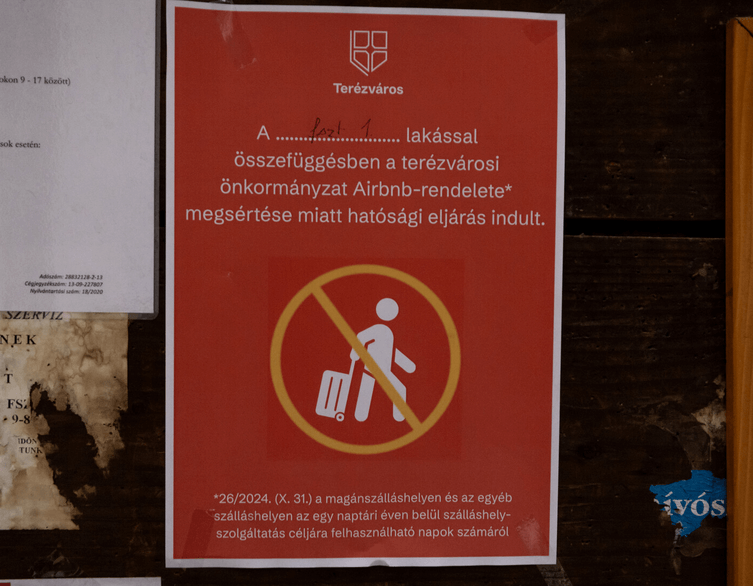
Budapest is having a moment — and not just because the world’s most prestigious club football final is coming to town. The Hungarian capital finds itself at the center of two intertwined stories: a historic surge in accommodation demand ahead of the May 30 UEFA Champions League Final, and a simmering political and legal battle over how short-term rentals like Airbnb should be regulated across the city’s inner districts. Together, these two developments offer a revealing window into the challenges and opportunities facing Budapest as a top-tier European tourism destination.
A City Under Pressure: The Champions League Effect
When Arsenal and PSG secured their spots in the 2026 UEFA Champions League Final, Budapest’s accommodation market didn’t just heat up — it exploded. Industry experts describe a pricing environment unlike anything seen before, even by the standards of a city that regularly hosts Formula 1 races and the iconic Sziget Festival. While those events typically push room rates to two or three times the normal level, the Champions League Final is operating in a completely different dimension.
Premium hotels in the city center are now listing rooms at €1,400–1,600 per night, and many of them won’t even accept single-night bookings. Minimum two- or three-night stays are increasingly common, meaning a weekend in Budapest around the final can easily set you back 1–1.5 million Hungarian forints — roughly €3,500–4,200 — just for a standard inner-city hotel room. With over 60,000 ticketed fans expected to attend the match at the Puskás Aréna, and an additional 150,000–200,000 football tourists expected to descend on the city for fan zones, screenings, and the general atmosphere, Budapest’s accommodation infrastructure is being pushed to its absolute limits.
The Airbnb Wildfire: When One Night Equals Half a Year’s Rent
The short-term rental market has gone into overdrive. On platforms like Airbnb and Booking.com, Budapest property owners are listing weekend packages for figures that would normally represent months of traditional rental income. Offers in the 4–6 million forint range for a single weekend have become commonplace for upscale inner-city apartments, while some luxury properties and villas are being advertised at 10–15 million forints — with one listing reportedly asking 18 million forints for the final weekend alone.
Experts are quick to point out that much of this represents aspirational pricing rather than market reality. Many of these eye-watering listings are “why not” attempts by property owners hoping to strike gold, rather than genuine reflections of what the market will bear. Tellingly, the accommodations that are actually filling up fastest are those offering free cancellation — suggesting many “bookings” are really just people reserving their options while they wait to see how the situation develops. Properties demanding full payment upfront are seeing considerably less interest.
This dynamic means the market is in flux right up until match day. Significant price movements and booking cancellations are still expected in the days ahead, making Budapest’s accommodation landscape one of the most volatile in Europe right now.
The Bigger Picture: Not Enough Beds for the Big Moments
The Champions League Final has thrown a spotlight on a structural tension in Budapest’s tourism market. The city is genuinely well-developed by regional standards when it comes to accommodation capacity — but single-day mega-events expose the limits of even the best-prepared destinations. Unlike a swimming world championship or an athletics meet that spreads visitors across a week or more, a football final concentrates everything into one explosive 24-hour window.
Best deals of Budapest











The Hungarian Apartment Owners Association has been vocal about this, pointing out that without private and short-term rental accommodation, Budapest simply cannot absorb the guest volume that major international events bring. This argument is landing with particular force right now, as several inner-city districts have moved to restrict or outright ban Airbnb-style rentals.
District by District: Budapest’s Patchwork of Airbnb Rules
The regulatory landscape for short-term rentals in Budapest has become increasingly fragmented, and the industry is struggling to keep up. Each district is essentially writing its own rules, creating a patchwork of regulations that operators say makes long-term planning nearly impossible.
The most dramatic move came from the 6th district, Terézváros, which banned all short-term rentals from the start of 2026. Only hotels, guesthouses, and community accommodations can now operate legally there. Since January, the local council — working alongside the National Tax and Customs Administration and the police — has conducted 633 on-site inspections, opened 57 proceedings, and handed out a total of 28 million forints in fines. District Mayor Tamás Soproni says he is broadly satisfied with the results, pointing to properties shifting to the long-term rental market and a slower rate of rent increases compared to neighboring districts.
Not far away, the 7th district Erzsébetváros tightened its rules last September, making it nearly impossible to obtain a new short-term rental license, while existing permit holders can continue operating. The 5th district introduced a cap in February 2026, limiting private short-term rentals to no more than 5% of the total units in any given building. Meanwhile, the 8th district Józsefváros is preparing a three-tier quota system that would apply limits at the district, neighborhood, and individual building levels.
A Billion Forints Left on the Table?
Not everyone is celebrating the crackdown. Balázs Schumicky, president of the Hungarian Apartment Owners Association, describes Terézváros’s ban as a financial catastrophe. He argues the district has voluntarily walked away from over 1 billion forints in annual tourism tax revenue, a loss that a few tens of millions in fines cannot offset — especially when you factor in the cost of hiring additional inspectors to enforce the ban. He also challenges the claim that the ban has reduced rents, saying prices have merely grown more slowly, not actually fallen.
Schumicky’s organization filed a motion with the Constitutional Court in early March 2026, arguing that the Terézváros regulation is unconstitutional. A ruling is not expected before July. He also raises fairness concerns, noting that some larger investors have managed to obtain permits to open guesthouses in 6th district apartment buildings — with rooms scattered across different floors — while small-scale owners with one or two apartments in the same building have been forced to shut down entirely.
Hoping for a National Framework
With Budapest’s inner districts pulling in different directions, all eyes in the short-term rental industry are now on the new Tisza government and its expected tourism chief, István Kapitány. The sector is calling for a unified national framework enshrined in tourism law — one that doesn’t shift with the political winds of individual district councils or the mood of a local representative’s Facebook post, as Schumicky colorfully put it.
The timing of the Champions League Final could hardly be more significant. With the city expected to welcome up to 200,000 visitors in a single weekend, the argument for a coherent, predictable accommodation policy has never been easier to make. Budapest is proving, once again, that it has the appeal and the infrastructure to host the world’s biggest events — but the rules governing who can actually offer a bed for the night are still very much being written.
Related news

UEFA Champions League Final 2026 in Budapest: The Ultimate Guide for Tourist
Budapest is about to witness history. On Saturday 30 May 2026, the city’s Puskás Aréna will host the UEFA Champions League Final between...

Where to Watch the Champions League Final in Budapest: The Best Spots for an Unforgettable Night
Budapest is preparing for a truly historic weekend on May 30, 2026, when the UEFA Champions League Final arrives at the Puskás Aréna for the first...
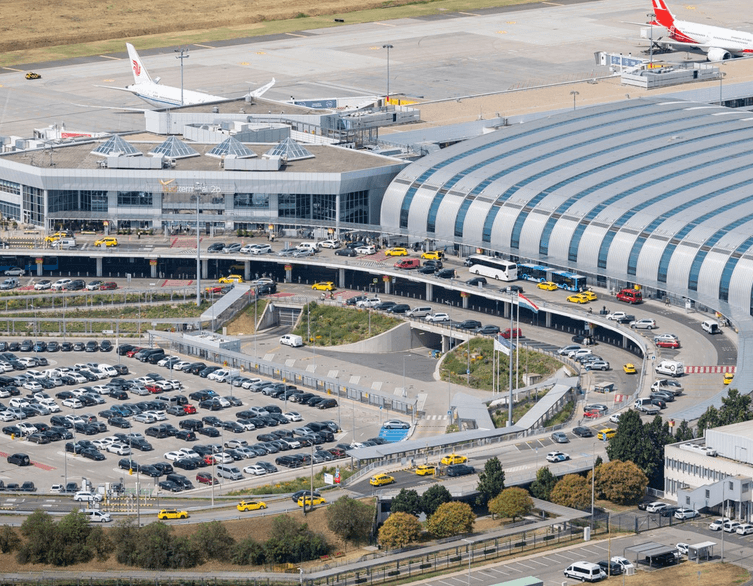
Budapest Airport Prepares for the 2026 UEFA Champions League Final: What Visitors Need to Know
Budapest is preparing to take center stage as it hosts one of the most anticipated sporting events in the world: the 2026 UEFA Champions League Final....
Airbnb in Budapest: What Terézváros’ 2026 Ban Means for Tourists
Budapest’s vibrant inner districts have long been a favorite among travelers, offering historic streets, lively nightlife, and easy access to iconic...

UEFA Champions League Final Budapest 2026: Everything Tourists Need to Know
Budapest is no stranger to the global spotlight, but May 30, 2026 marks something genuinely historic for the Hungarian capital. The UEFA Champions...
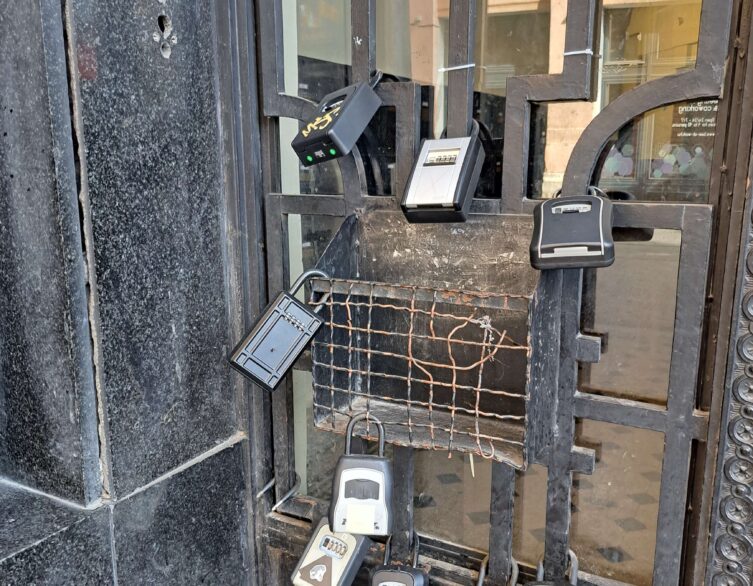
Budapest’s 8th District Is Putting the Brakes on Airbnb
If you’ve ever booked a cozy apartment in Budapest through Airbnb or Booking.com, you’ve probably stayed in one of the city’s inner...

Airbnb Ban Comes into Effect in Budapest’s District VI: What Tourists Need to Know
As of January 1, 2026, the central district of Terézváros — one of Budapest’s busiest and most popular areas among tourists...
Budapest Airbnb Crackdown: What Foreign Tourists Need to Know About Staying in District VI from 2026
Picture this: you’re scrolling through Airbnb for your dream Budapest getaway, eyeing that chic apartment on Király Street in the heart of...
Related events