Budapest’s Former Government Headquarters Are Now Open to the Public
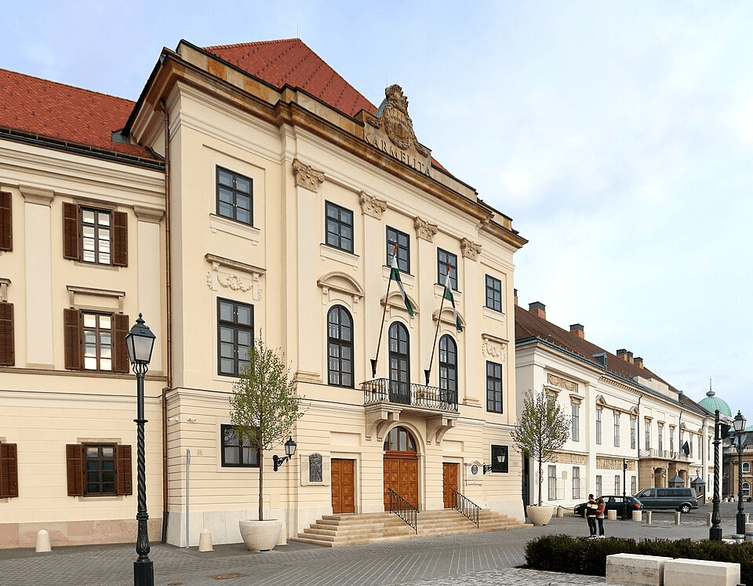
In one of the more remarkable gestures in recent Hungarian political history, two of the most exclusive and heavily guarded buildings in Budapest’s Castle District have swung their doors open to ordinary visitors — and if you are in the city this week, you can walk right in. The Carmelite Monastery (Karmelita Kolostor), which served as the headquarters of the previous Prime Minister, and the former Cabinet Office building — a brand-new structure completed in 2025 — are both open for guided public visits, and the response from Budapestians and tourists alike has been enormous.
What Are These Buildings and Why Do They Matter?
The Carmelite Monastery is one of the most architecturally distinguished complexes in the entire Castle District, a historic religious building that was converted at significant public expense into the operational centre of Hungary’s previous government. Its courtyards, grand interiors, and commanding position within the Buda Castle area made it one of the most talked-about — and least accessible — addresses in the country. For years, it sat behind cordons and security barriers, visible from the outside but firmly off-limits to the public whose taxes had funded its transformation.
The second building is even more striking in its story. Completed in 2025 under the previous administration led by Antal Rogán’s Cabinet Office, it was built as a near-faithful replica of the former Hungarian Red Cross Headquarters, reconstructed from scratch within the Castle District at a cost that drew considerable public scrutiny. Critics pointed out that the funds directed toward these prestige government buildings could have been channelled into public healthcare, child protection services, railways, and other struggling public services. That debate is now, in a sense, being addressed symbolically: the new government under Prime Minister Péter Magyar has chosen to open both buildings to the people, on the grounds that they belong to the Hungarian nation.
A Symbolic Gesture with Real Significance
The decision to open the buildings was announced by Minister of Transport and Investment Dávid Vitézy, who noted on social media that when he and Prime Minister Magyar jointly removed the barriers around the Castle District earlier this year, they made a promise: the Carmelite Monastery and the Cabinet Office building would remain open to visitors for as long as there was public interest. Judging by the demand for visit slots, that interest shows no sign of fading.
“These buildings are the property of the Hungarian people and are freely available to them,” the government stated, acknowledging openly that while the money spent on their construction cannot be recouped or redirected, the gesture of opening them is a way of honouring public ownership of national assets. Prime Minister Magyar himself will not be moving into the Carmelite — the building constructed for his predecessor — which is part of what makes the public opening possible and politically meaningful.
Best deals of Budapest










The former Cabinet Office building, meanwhile, is set to become the new home of the Ministry of Social Affairs and Family — a choice the government described as deliberate and symbolic: “We chose this ministry for the social sector to express that we want to lift the most vulnerable to the highest level.”
When Can You Visit?
This week, both buildings are open every weekday from Wednesday onwards, as well as on Sunday. Visits to the Carmelite Monastery require advance registration, which can be done online at szabadkarmelita.hu. If you find that all available slots are full, the minister has confirmed that new time slots will continue to be added as long as demand persists, so it is worth checking back regularly. Further open days at the Carmelite are also being planned for the near future, with updates to be communicated through official channels.
What to Expect on Your Visit
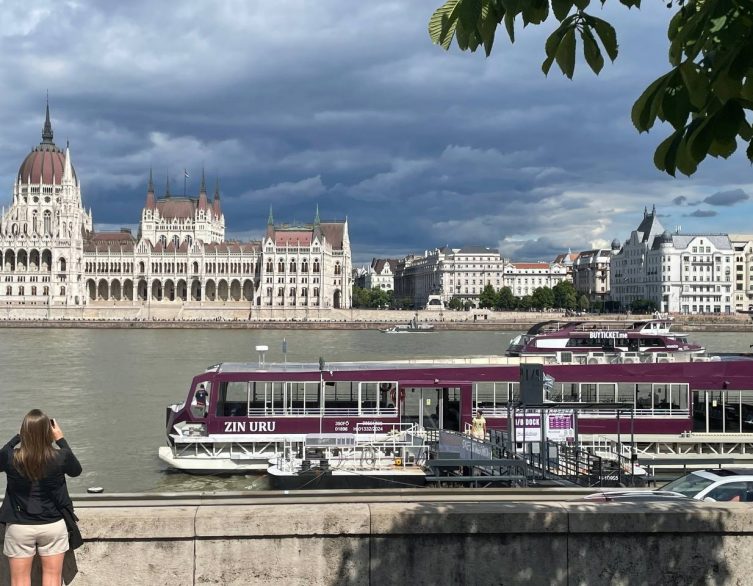
Both buildings sit within the Buda Castle District, one of Budapest’s most rewarding areas to explore on foot and a UNESCO World Heritage Site. The Castle District is perched on a limestone plateau above the Danube, offering extraordinary views over the river, the Hungarian Parliament Building, and the rooftops of Pest. Getting there is part of the experience — you can take the historic Castle Hill Funicular (Budavári Sikló) from the Chain Bridge, ride the Várbusz shuttle bus, or simply walk up through the cobbled streets of the Víziváros neighbourhood.
While you are in the area, the Castle District also offers the Hungarian National Gallery, the Budapest History Museum, Matthias Church, and the Fisherman’s Bastion — all within comfortable walking distance. Combining a visit to the newly opened government buildings with an afternoon exploring the Castle District makes for one of the most historically rich and visually stunning days Budapest has to offer.
This is genuinely a once-in-a-political-moment opportunity. Buildings that were designed to project governmental power and exclusivity are, for now, open to anyone who registers in time. For tourists with an interest in architecture, politics, or simply seeing a remarkable corner of Budapest that was until very recently firmly off-limits, this is not one to miss.
Related attractions
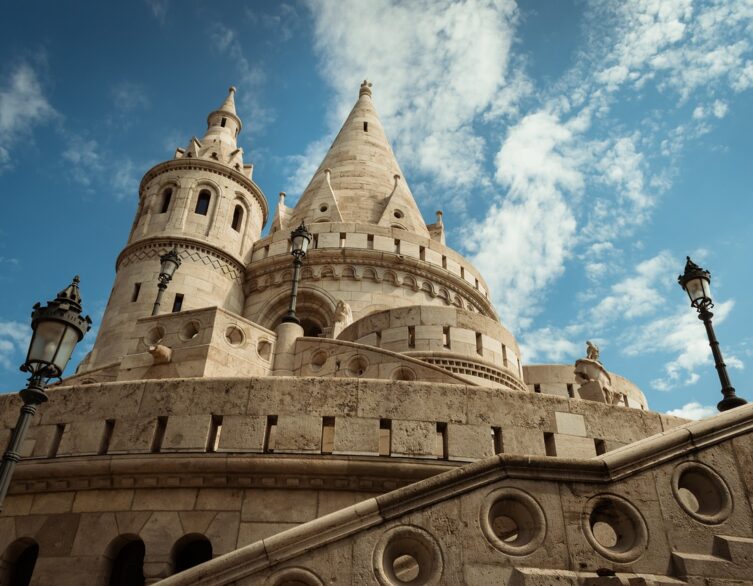
Take a Walk in the Enchanting Fisherman’s Bastion
When visiting the charming city of Budapest, one of the must-see attractions is the Fisherman’s Bastion, located in the historic Buda Castle...
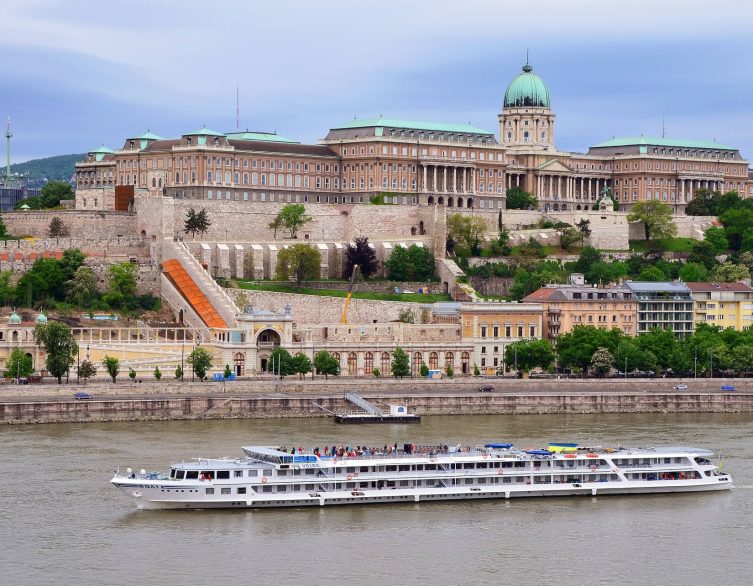
Buda Castle: A timeless icon of Hungarian history in Budapest
Nestled on the western bank of the majestic Danube River in Budapest, Hungary, lies a place that resonates with centuries of history, culture, and...