Missed the Attila Exhibition? You Can Now Explore It Virtually From Anywhere
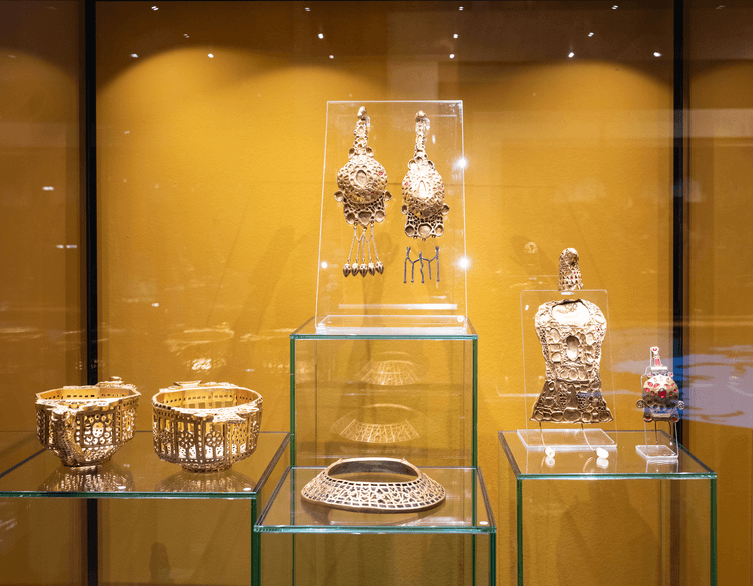
Even though the blockbuster Attila exhibition at the Hungarian National Museum officially closed its doors on July 12, there’s good news for anyone who missed it or wants to relive the experience: a fully virtual version has just opened, and it’s completely free to explore.
A Show That Captivated Over 100,000 Visitors
Before it closed, the Attila exhibition drew an impressive 113,000 visitors, making it one of the standout cultural events in Budapest this year. Running from January 22 through July 12, 2026, the exhibition brought together nearly 400 artifacts from 64 museums across 13 countries, positioning it as the most significant exhibition on Attila and the Huns to appear in Hungary in the past forty years, and a genuine landmark on the international museum circuit. For visitors interested in ancient history, the scale of borrowed treasures alone made it a rare opportunity to see pieces connected to one of history’s most legendary rulers gathered in one place.mnm+1
How the Virtual Exhibition Works
The team behind the virtual version didn’t just slap together a few photos and call it done. Staff carefully photographed every single room of the original exhibition, creating an experience that lets you scroll through on your phone or browse from your laptop and feel almost as if you’re walking the halls in person. Next to key artifacts, visitors will notice small information icons that can be clicked for deeper context on each piece’s history and significance, turning a simple browse into something closer to a guided museum tour. This means that even without setting foot in Budapest, travelers researching their trip or curious about Hungarian history can get a genuine feel for what made this exhibition so popular.
Best deals of Budapest











The virtual project was created by the National Centre for Museological Methodology and Information, a department within the Hungarian National Museum dedicated to museum innovation and digital outreach. Credit for bringing the digital exhibition to life goes to a small team of specialists, including Dr. Zsuzsa Ballók, Rita Kovács, Erika Vidovenyecz, Dorottya Derzsy, Dániel Horváth, Anna Kinde, and Adrienne Ábel, whose combined efforts turned a temporary physical show into a lasting digital resource.
Why This Matters for Travelers Planning a Budapest Trip
For tourists mapping out their visit to Budapest, this virtual exhibition is a smart way to prepare before arriving or to extend the experience after leaving. Since no ticket is required, it works as a free preview of what the Hungarian National Museum has to offer, potentially sparking interest in visiting the museum’s permanent collections in person during an actual trip. The Hungarian National Museum itself remains one of the city’s must-see cultural institutions, housing centuries of Hungarian history in its grand neoclassical building near the city center, so even though this particular exhibition has closed physically, the virtual version offers a taste of the caliber of programming visitors can expect there.
Budapest’s Growing Digital Museum Scene
This virtual Attila exhibition fits into a broader trend in Budapest, where museums and cultural institutions increasingly blend physical and digital experiences to reach wider audiences. Other venues around the city, like the immersive art spaces found in the historic Párisi Udvar arcade, have similarly embraced technology to create experiences that go beyond traditional static displays, reflecting how Budapest continues to modernize its cultural offerings while still celebrating its deep historical roots. For history enthusiasts visiting the city, exploring both these digital innovations and the museum’s physical halls offers a well-rounded way to appreciate Hungary’s rich and layered past.
Related news
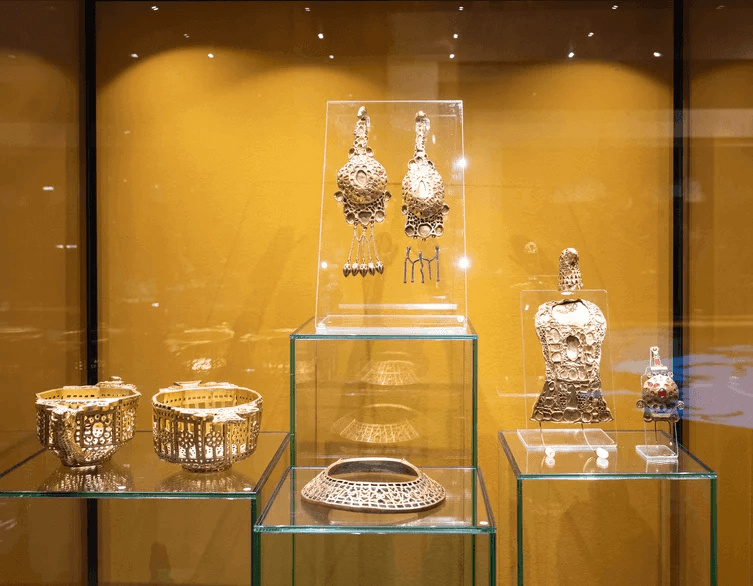
Hungarian National Museum’s Attila Exhibition Wins Exhibition of the Year 2026
What makes a ruler remembered for more than 1,600 years feel relevant today? At the Hungarian National Museum in Budapest, the answer involved bringing...
Attila: The Hun King Returns to Budapest’s National Museum
Budapest has always been a city where history speaks from every stone and square, but this winter, it does so with the powerful voice of a legend....
Step Into Legend: The Attila Exhibition at the Hungarian National Museum
Discover the Power and Mystery Behind One of History’s Greatest Rulers This winter, Budapest invites you on an extraordinary journey into the age...