One Day, No Buses, No Traffic — Budapest’s Népszínház Street Goes Pedestrian
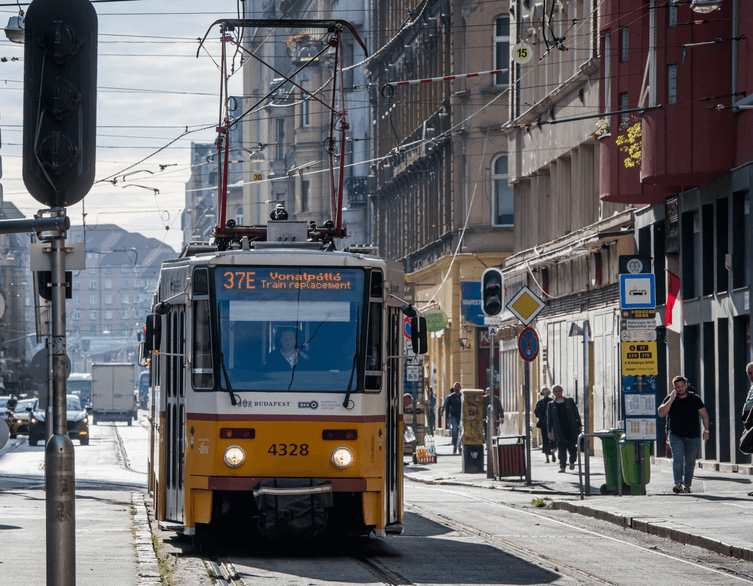
Budapest’s 8th district, Józsefváros, has long been one of the city’s most characterful neighborhoods — gritty, layered with history, and slowly but surely finding its footing as a genuinely livable urban quarter. This Saturday, June 13, something quietly remarkable is happening there, and if you happen to be in Budapest, you really shouldn’t miss it.
A Street Transformed for a Day
For one day only, the stretch of Népszínház Street between Csokonai Street and József Boulevard will be closed to buses and cars. The terminus of the number 99 bus — a chronic source of congestion, noise, and narrow, uncomfortable pavements — will fall silent, and in its place, the street will open up to pedestrians and cyclists. It sounds simple, but the symbolic and practical weight of this experiment is enormous.
The question the organizers are asking is deceptively straightforward: what would this street feel like if it weren’t a traffic bottleneck? What if people could actually use the space rather than just squeeze through it?
The Bigger Picture Behind the Festival
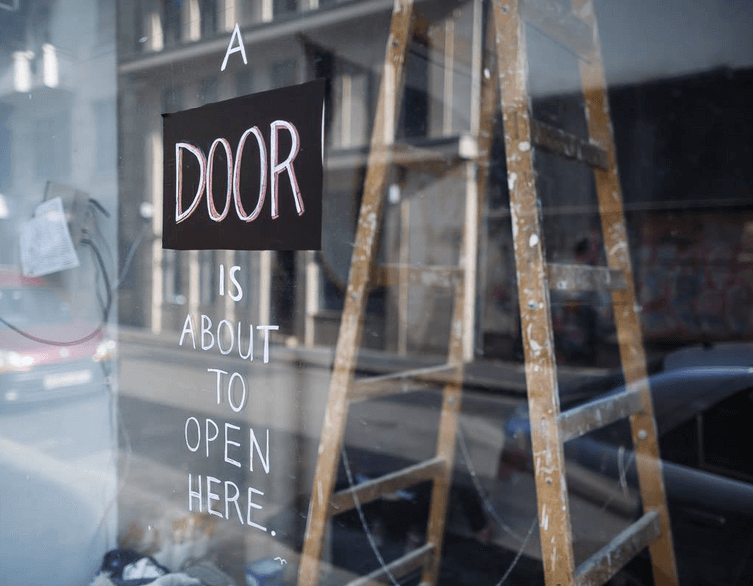
This car-free day is the closing event of Nyitva! — the Open Shops Festival, a series organized between April and June 2026 by KÉK (Contemporary Architecture Centre) and RÉV8, with support from the Józsefváros local government. The festival’s mission has been to breathe new life into the long-vacant storefronts along Népszínház Street, encouraging new businesses to move in and helping the neighborhood rediscover its urban identity.
The timing of this closing day is no coincidence. Just weeks ago, in mid-May 2026, the Józsefváros district leadership reached an agreement with Budapest’s Mayor Gergely Karácsony and the city’s chief director to finally — after decades — relocate the bus terminus away from the Népszínház Street end of József Boulevard. The new terminus for the number 99 bus will be set up at Blaha Lujza Square, a change that will require reorganizing the bus turnaround there and adjusting the route. It’s a meaningful urban planning milestone, and Saturday’s event is a living preview of what that future might look like.
What’s Actually Happening on the Street
The program runs from 10 AM to 7 PM and is packed with activities for all ages and interests. The day kicks off with a collaborative LEGO build where visitors can help recreate the look of the street together with the Tekerd! team — a playful but pointed exercise in imagining urban space differently.
Throughout the day you can join guided street walks that weave together the old and new stories of Népszínház Street, including introductions to the new businesses that have been moving into previously empty shops. If you’re more hands-on, there’s table tennis, foosball, a tug-of-war, and an obstacle course. BKK is running a cycling and wheelchair accessibility challenge, which offers a visceral, empathetic experience of just how important barrier-free urban design really is.
One of the most charming ways to arrive is by nostalgic tram — vintage trams will be running between Blaha Lujza Square and the Hungária tram depot to celebrate the 20th anniversary of the Combino trams, giving visitors a rare and atmospheric way to approach the event.
In the afternoon, Lahmacun Radio will broadcast live from the street, and at 3 PM there’s a conversation with city leaders about the planned redesign of the area — a genuine chance to hear what’s planned and have your voice heard. The evening brings a Hungarian Roma dance house with Fanni Iváncsik, a communal dinner organized by the Mira Intercultural Community, and a closing street dance that will wind its way from the Népszínház Street junction all the way to Teleki Market. The night ends with the Pecha Kucha Night Budapest x Nyitva! festival.
Why This Matters for Budapest
The stretch of Népszínház Street near József Boulevard has been, as the organizers put it, “overloaded” for the past year and a half. Bus storage along a narrow street, pedestrians competing for thin strips of pavement with people waiting for buses, noise, pollution — it adds up to a public space that simply doesn’t serve the people who live and work there. In a city that aspires to be livable and welcoming, that’s a problem worth solving out loud, in public, with an actual experiment rather than just a planning document.
Saturday’s event is, in the best sense, a piece of urban activism wrapped in a party. Come for the dancing, stay for the conversation — and leave with a sense of what Budapest’s streets could become.
The event takes place on Saturday, June 13, from 10 AM to 7 PM on Népszínház Street, between Csokonai Street and József Boulevard, in Józsefváros (8th district), Budapest. Full program details at nyitvafesztival.hu.
Related news
Free Things to Do in Budapest This Weekend: June 12–14, 2026
Budapest has a well-earned reputation for being one of Europe’s most generous cities when it comes to free experiences — and this weekend,...
Your Ultimate Weekend Guide to Budapest: June 12–14, 2026
Budapest rarely does things by halves, and this weekend is proof. Whether you’ve come for the history, the thermal baths, or simply the...

Airbnb in Budapest: What Terézváros’ 2026 Ban Means for Tourists
Budapest’s vibrant inner districts have long been a favorite among travelers, offering historic streets, lively nightlife, and easy access to iconic...
Chairs, Tables, and a Little Bit of Chaos: The Battle Over Budapest’s Outdoor Terraces
If you’ve ever sipped a glass of wine on a sun-drenched terrace in Budapest, watched the city hum around you, and thought this is exactly...
Budapest’s 8th District Is Putting the Brakes on Airbnb
If you’ve ever booked a cozy apartment in Budapest through Airbnb or Booking.com, you’ve probably stayed in one of the city’s inner...
Budapest’s Weirdest Festival: Empty Shops Get a Pop-Up Party in Józsefváros
Imagine strolling through Budapest’s gritty, charming streets and stumbling upon a festival where the stars aren’t bands or food stalls,...