Budapest’s Metro Line 3 Is Getting Longer, Thanks to EU Funding
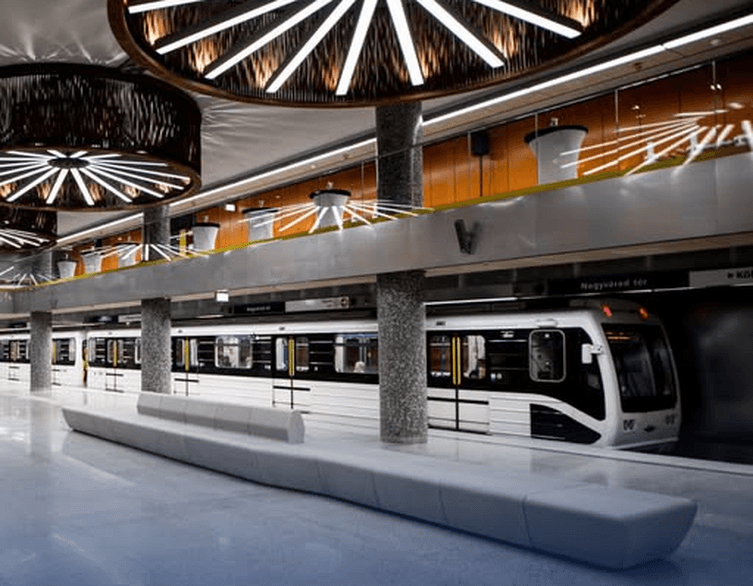
If you’ve spent any time riding the Budapest metro, you already know Line 3 (the blue line) as the backbone connecting the northern and southern edges of the city. Now there’s genuinely exciting news for anyone who loves watching a city’s transport network grow: Hungary’s government has confirmed that Metro Line 3 will be extended northward, with the project financed through European Union funds. For travelers who base themselves in Budapest for extended stays, or who keep coming back to explore new neighborhoods, this is the kind of infrastructure upgrade that quietly makes a city easier to love.
The announcement came from Prime Minister Péter Magyar and Transport Minister Dávid Vitézy during a press briefing unveiling a sweeping national railway investment package. While much of that package focuses on regional and long-distance rail, the metro extension is the piece that will matter most directly to anyone navigating Budapest itself.
What’s Actually Being Built
The original vision called for extending Line 3 all the way to Káposztásmegyer, a residential district in the far north of the city. For now, budget and timeline constraints mean the initial phase will stop at Rákospalota-Újpest railway station instead, but city officials are quick to point out that this is still a major step forward, not a compromise. Budapest’s Mayor Gergely Karácsony called it a “historic day” for Hungarian public transport, noting that stopping the extension at Rákospalota-Újpest actually makes strategic sense because it allows the metro project to be coordinated with related suburban rail developments in the same area.
That coordination matters more than it might seem at first glance. Rákospalota-Újpest is one of Budapest’s oldest railway stations, and it’s already slated for a comprehensive renovation as part of a broader modernization of the surrounding suburban rail line. Combining the metro extension with this existing station upgrade means the investment serves two groups of passengers at once: people traveling within Budapest and commuters arriving from the wider agglomeration beyond the city limits.
Part of a Much Bigger Railway Push
The Metro Line 3 extension isn’t happening in isolation. It’s one piece of a newly unveiled, multi-year railway development program that Prime Minister Magyar described as running across several government terms, with a total budget approaching 3,500 billion forints. This so-called Baross Gábor Railway Development Plan covers track reconstruction, electrification projects, new locomotives and carriages, upgraded suburban HÉV trains, and even new tram-train networks connecting the capital to surrounding towns.
Best deals of Budapest








According to officials, the first visible results of this broader program should start appearing within two to three years, with the full rollout stretching across the next two to six years. For a city that has seen relatively little metro expansion in recent years, this represents one of the more ambitious transport investment periods Budapest has experienced in some time.
Why This Matters If You’re Visiting Budapest
Tourists exploring Budapest typically stick to the city’s dense, walkable core, the Castle District, the Danube embankments, Andrássy Avenue, and the areas around the Great Market Hall. But an expanded Line 3 opens up easier access to Budapest’s northern districts, which tend to see far fewer visitors and offer a more local, less touristy slice of the city. If you enjoy wandering beyond the postcard sights, having a direct metro connection stretching further north gives you one more reason to venture into neighborhoods most guidebooks skip over entirely.
It’s also a reminder that Budapest’s public transport network, already one of the most extensive and affordable in Central Europe, keeps evolving. The city’s metro system dates back to 1896 with its original line (the oldest on the European continent, after London), and this latest extension continues a long tradition of steady, deliberate growth.
The Bigger Picture for Hungary’s Transport Network
Beyond the metro, this railway package fits into a broader pattern of infrastructure investment across Hungary. Just this past year, plans have moved forward on the Southern Circle Railway project around Ferencváros station, a major upgrade to the Kelenföld-Népliget rail corridor, and even a long-discussed high-speed rail link to Budapest Airport. Officials have framed the railway push not simply as a transport issue but as a matter of national economic strategy, arguing that better rail connections directly affect regional competitiveness, workforce mobility, and Hungary’s broader economic performance.
For now, travelers visiting Budapest won’t notice construction crews breaking ground overnight. Metro extensions and station renovations take years to materialize. But for anyone planning repeat visits to Budapest in the years ahead, or simply curious about how the city is investing in its future, this EU-backed expansion of Metro Line 3 is a promising sign that Budapest’s transport network is only going to get more connected.
Related news
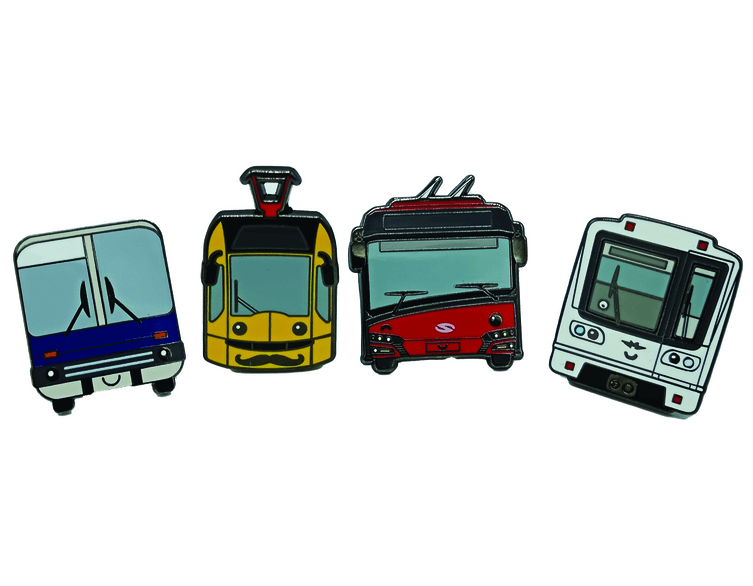
Take a Piece of Budapest’s Transport History Home With You
If you’ve spent any time riding Budapest’s trams, buses, or the quirky cogwheel railway up to the Buda Hills, you’ve probably noticed...
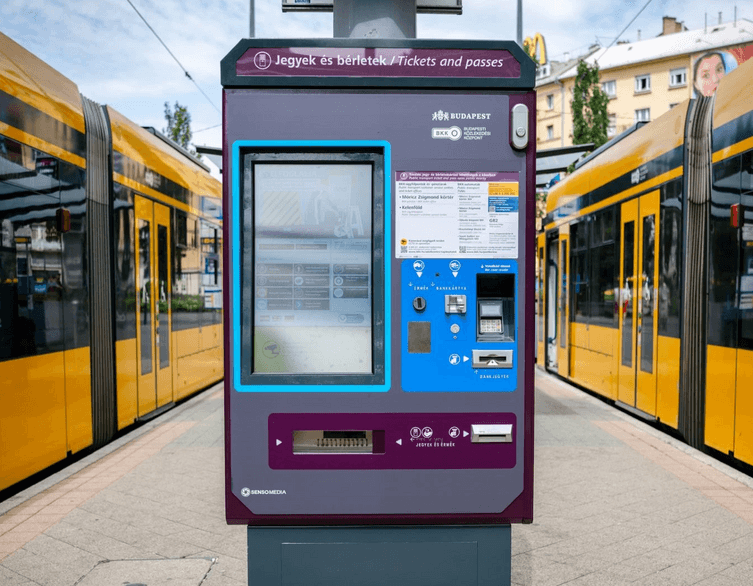
Budapest Rolls Out Sleek New Ticket Machines at Five More Metro Stops
If you’re planning to explore Budapest by public transport this summer, getting around just got a little bit easier. The Budapest Transport...
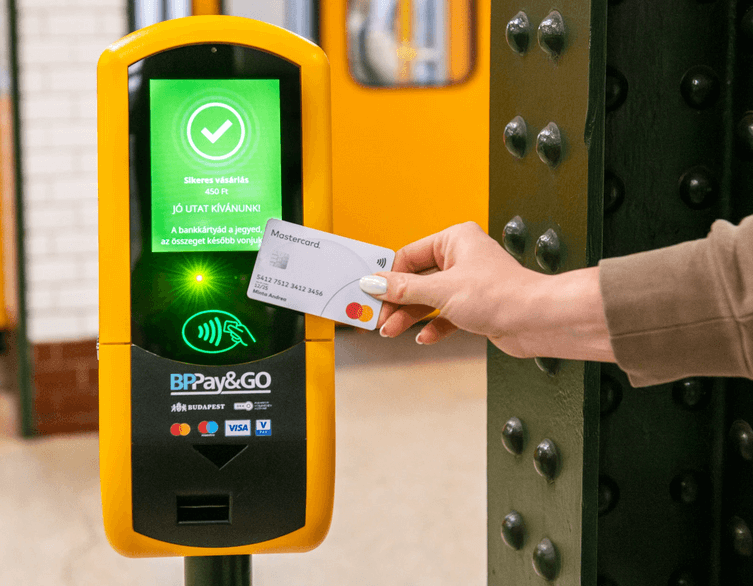
How to Ride Budapest’s Metro Like a Local: Your Guide to Pay&GO Contactless Ticketing
Getting around Budapest just got a whole lot easier. As of April 22, 2026, visitors to the Hungarian capital can hop on any metro line without hunting...
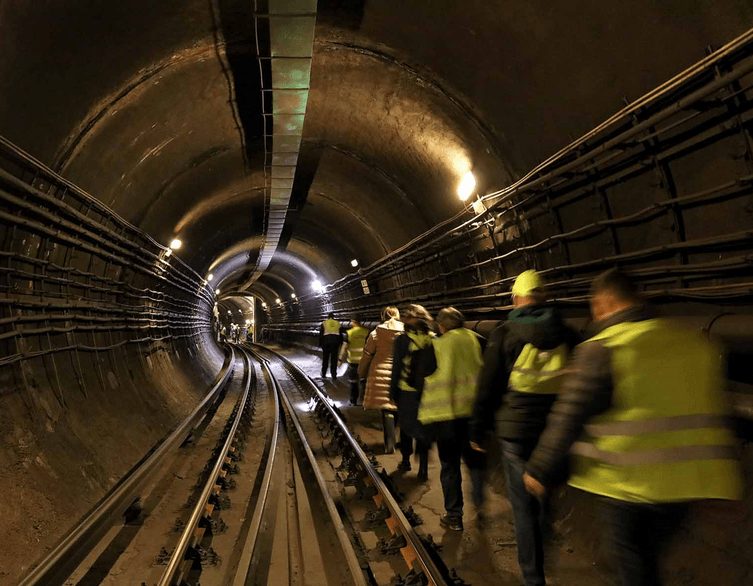
Budapest Metro’s Night Shift: The Hidden World Keeping the City Moving
When you step onto a Budapest metro platform in the morning rush hour and hop aboard a clean, smoothly running train, you’re experiencing the...