Rainy Days in Budapest: Weather Outlook and Where Your Tap Water Comes From
If you’re in Budapest this weekend, pack an umbrella and a warm layer. The rain that has soaked Hungary lately also tells a surprisingly interesting story about the city’s drinking water.
A Stormy Autumn Surprise
Late November in Budapest usually means quiet, foggy, grey days, but the weather has had other ideas. A cyclone has swept across the country, bringing rain almost everywhere over the past 24 hours. The heaviest rain fell in the south of Transdanubia (Southern Transdanubia), where several places got more than 30 millimetres. In the south, the wind picked up too, with gusts of 70–80 km/h in places.
The air feels more like summer than late autumn. Unusually mild, moist air has drifted in from the south, and cold air higher up has made the atmosphere unstable. That recipe means lightning and gusty winds are possible in several places, not just the odd drizzle. For a country that has just lived through a long, severe drought, it’s welcome news. The relief took until almost the middle of autumn to arrive.
What to Expect This Weekend
The cyclone is moving away, so on Friday the sun should break through in many places. Scattered showers and even an isolated thunderstorm are still possible, so keep that umbrella handy. Thunderstorms look unlikely over the weekend, though a few scattered showers may still pop up. On Sunday afternoon, widespread rain could return. Frosty mornings are also creeping back, so dress in layers: a waterproof jacket for the day and a hat and gloves for early starts.
Best deals of Budapest












Because the forecast can shift quickly in this kind of changeable weather, check an updated forecast before you plan outdoor sightseeing. A wet Sunday afternoon is also a good excuse to duck into a museum, a café or one of Budapest’s thermal baths.
Why Rain Matters for Budapest’s Water
Here’s the fun fact for curious travellers. Budapest’s drinking water comes from bank-filtered wells, which means the water is mostly Danube water that has seeped through the gravel and sand layers of the riverbed and riverbank before it reaches the wells. In other words, the city’s tap water has already been through a giant natural filter.
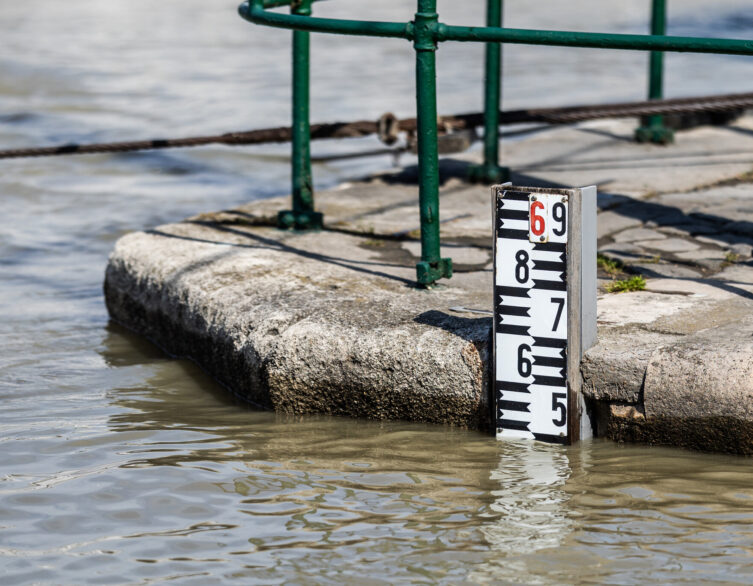
That also explains why it matters where the rain falls. Rain on the Danube’s catchment area upstream of Budapest flows into the river and its tributaries, raising the flow. Higher water levels help replenish the bank-filtered water sources. A shower right over the city, on the other hand, doesn’t by itself send more water to the wells.
Weather affects water supply in another way, too: how we use it. In summer, rainy and cooler days mean less garden watering and fewer pools being filled, which eases the load on the network. So a grey day can bring relief in two ways, through the natural water cycle and through our own habits. So next time you fill your bottle from the tap in Budapest, you’ll know a bit of the river and a lot of gravel were involved.
Make the Most of a Wet Weekend
Even if the clouds roll in, Budapest never switches off. Pick a cosy café, a museum visit or a long soak in a thermal bath, and let the rain do its thing. Just remember the forecast, keep your layers handy and check conditions on the day.
Related news

Immersive Light Events in Budapest: What’s On in Winter 2026–27
Follow the White Rabbit across Margaret Island, see City Park from a glowing Ferris wheel or spend a cold afternoon inside Van Gogh’s The Starry...

Ice Skating in Budapest This Winter 2026: Where to Glide, Spin and Warm Up
Budapest’s 2026–2027 skating season offers historic outdoor rinks, cosy covered ones and a festive market with free ice. This guide groups...

Exhibitions in Budapest This Winter 2026: Art, Photography, History and Unexpected Discoveries
A bronze Apollo rediscovered under the wrong identity, Freddie Mercury’s personal belongings, recreations of Tutankhamun’s treasures and objects...