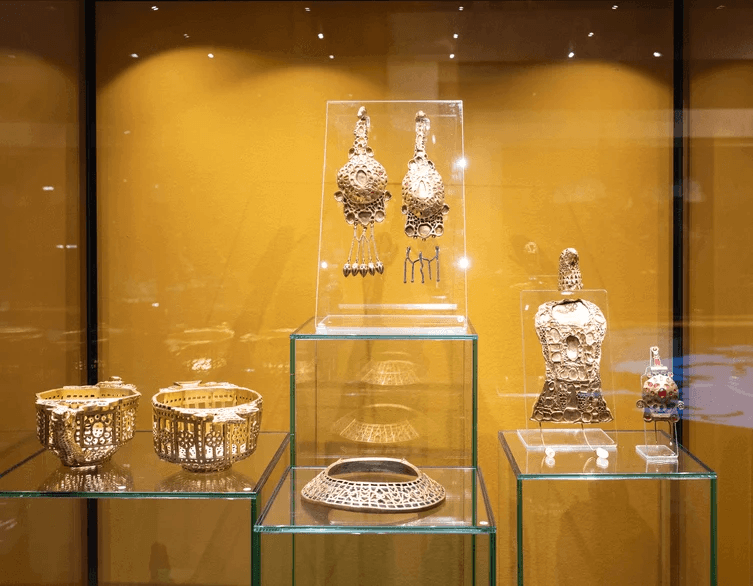
Light/Refraction: The Jagiellonian Age Exhibition at the Hungarian National Museum
From 24 November 2026 to 4 April 2027, the Hungarian National Museum hosts “Fény/Törés – A Jagellók Mohácsig (1490–1526)”, which you can think of as “Light/Refraction: The Jagiellonians up to Mohács”. The exhibition looks at the decades between King Matthias Corvinus and the catastrophic Battle of Mohács. It shows how rich, connected and culturally vibrant Hungary was in that period.
A Fresh Look at a Misjudged Era
For centuries, the Jagiellonian era has had a gloomy reputation in Hungary. The defeat at Mohács in 1526 was often blamed on a failing state or weak leaders, and the negative image of kings Vladislaus II and Louis II has lingered. This exhibition takes the opposite view. Its main message is that Mohács wasn’t the result of internal decline. It was the tragic outcome of a radical shift in the balance of power across 16th-century Europe.
The show draws on 330 objects borrowed from 53 Hungarian and international institutions. It fills the museum’s Palatine Joseph Halls, and it arrives as the museum celebrates its 225th birthday.
Treasures You Will See
Some of the loans are rarely seen. Visitors can get close to the childhood armour of Louis II, which comes from the Kunsthistorisches Museum in Vienna. The museum’s own collection adds a ceremonial papal sword that Pope Julius II gave to Vladislaus II in 1509. There is also a portrait of Louis II that has never been shown in Hungary before. Other highlights include a cloak and a shirt traditionally linked to Queen Mary, along with a diamond ring attributed to her. You can even take part in a medieval-style tournament.
Best deals of Budapest







The exhibition also covers faith and art. It features items linked to Cardinal Tamás Bakócz, the powerful archbishop and chancellor, as well as chalices, devotional objects and early signs of the Reformation. For the first time, visitors can see parts of the richly carved Nyírbátor stalls, which were restored for this show. The exhibition also explores how Gothic and Renaissance styles lived side by side and shaped each other in this period.
Hungary in a Global Story
Few people realise that the Kingdom of Hungary produced most of Europe’s precious metal in this era. Mines were run with Fugger money, Thurzó engineering and cutting-edge machinery. The show follows copper from Banská Bystrica (Besztercebánya) as far as the cargo of a shipwreck off the coast of Namibia, which shows how far Hungarian raw materials travelled, even to India. Cattle trade was another pillar of the economy. Together, these stories present Hungary as a key hub of raw materials and capital in the early modern world, not as a remote frontier land.
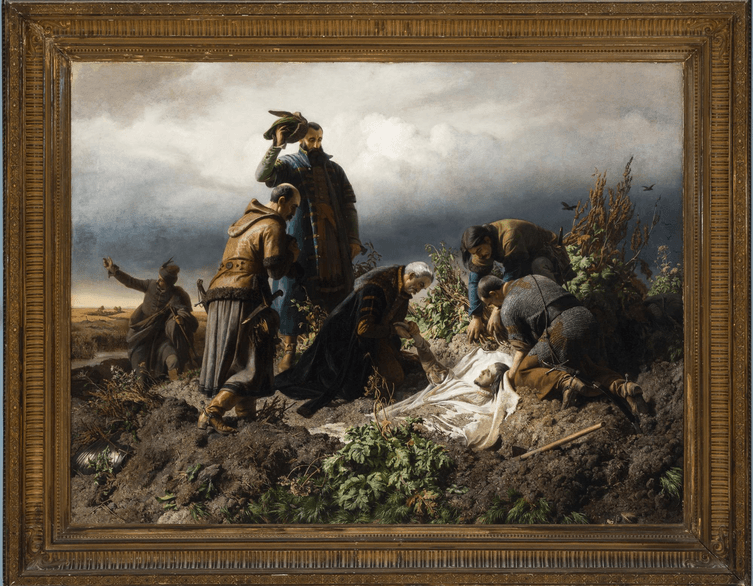
The final part turns to the road to Mohács. The fall of Belgrade (Nándorfehérvár) to the Ottomans in 1521 weakened the country’s defences. The 1526 tragedy comes to life through weapons, period flyers, interactive installations and relics. The closing section looks at how the battle was remembered, including the heroic cult of Louis II that his widow Queen Mary began and that 19th-century painting later made famous.
Visiting the Museum
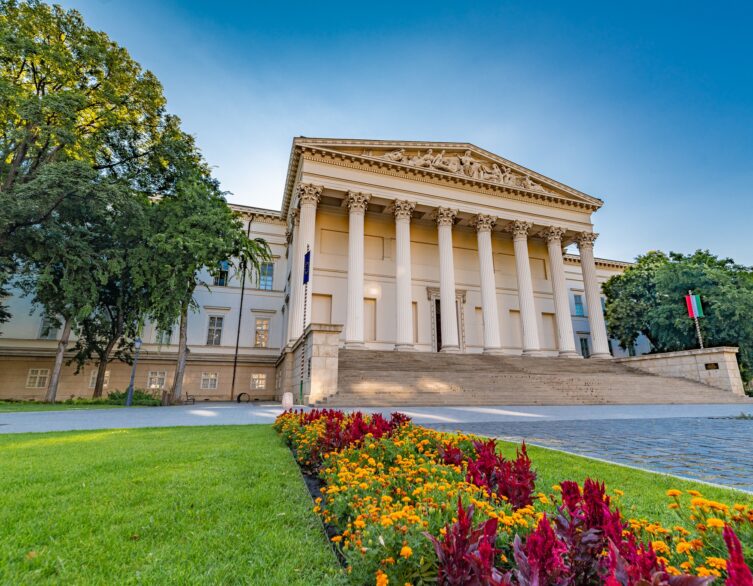
The Hungarian National Museum stands at Múzeum Boulevard 14–16, in the 8th district, close to the Small Boulevard and the Kálvin Square area. It’s open Tuesday to Sunday from 10:00 to 18:00 and closed on Mondays. The ticket office closes at 17:00, and the exhibitions start closing at 17:30, so arrive with plenty of time. Holiday hours can differ, so check the museum’s website before you go, along with the current ticket price for the temporary exhibition. After your visit, the nearby streets have plenty of cafés, and the museum’s garden is a pleasant place to stroll when the weather is dry.
Key Event Details
- Exhibition: Fény/Törés – A Jagellók Mohácsig (1490–1526) (“Light/Refraction – The Jagiellonians up to Mohács”)
- Dates: 24 November 2026 to 4 April 2027
- Venue: Hungarian National Museum, Palatine Joseph Halls, Múzeum Boulevard 14–16, Budapest, 1088
- Opening hours: Tuesday to Sunday, 10:00–18:00, closed on Mondays
- Ticket office: Closes at 17:00
- Size: 330 objects from 53 institutions
- Highlights: Louis II’s childhood armour, the 1509 papal ceremonial sword, a never-before-shown portrait of Louis II, objects linked to Queen Mary and the restored Nyírbátor stalls
Related attractions
Related news