Getting Around Budapest in 2026: How BKK’s 16 Years of Change Make Your Trip Easier
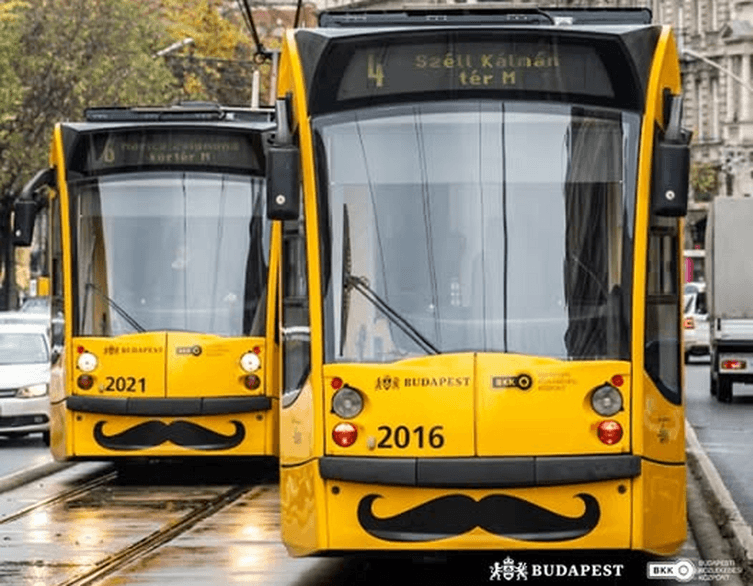
Budapest’s public transport is now modern, easy for visitors to use and cheap by European standards. The Budapest Centre for Transport (BKK) has just turned 16, and almost everything a tourist needs has changed since 2010.
A Birthday and a New Chapter
BKK has been organising transport in the Hungarian capital for 16 years. It is about to take on a bigger role as a regional transport organiser, so it will coordinate travel across the wider Budapest area, not only inside the city limits. For visitors, this should mean smoother connections to destinations beyond the capital over time. Looking back at how much has changed is a good way to see why the city is so easy to explore today.
Know When Your Bus Is Coming
Sixteen years ago, you would have squinted at a paper timetable stuck to a bus stop. Traffic changes were announced on notices taped up there, if they were announced at all. Now you can open the free BudapestGO app and watch your bus move across the map. Real-time electronic displays at stops show the same information, and the app can send personalised alerts to your phone.
BudapestGO does more than tell you when to leave. You can plan routes, check service updates and buy tickets in the same place. It works on more than 300 routes across the capital . Its tickets work on all BKK lines . If you need a hand with it, our guide to the app’s latest features is worth a read, since the app now sends expiry reminders for tickets and passes .
Best deals of Budapest












Tickets and Passes Without the Hassle
Budapest used to have outdated ticket machines that often didn’t work. Today the machines are touchscreen, work around the clock and accept bank cards. You can also buy everything on your phone, even from bed.
The app sells 30-minute tickets for 600 HUF and 90-minute tickets for 850 HUF. You can change vehicles as often as you like, and you can finish a journey you started inside the time limit . If you plan a busy sightseeing day, a 24-hour or 72-hour travelcard is usually better value. Recent price lists put them at about 2,750 HUF and 5,750 HUF . Prices change from time to time, so check the current fares on the BKK website or in the app before you buy.
You can also validate a digital ticket at the metro by holding your phone up to the NFC sticker at the station entrance . Some visitors prefer the Budapest Card, which bundles public transport with museum entries and discounts .
Riding the Metro
Sixteen years ago, Budapest had only three metro lines. Today the M4 line also runs, and it is driverless and fully automated. The M3 line has been completely renovated and made accessible. On the M4 you can enjoy the quiet, smooth ride and the modern stations on your way to places such as Kálvin Square and the Rákóczi Square area.
Accessible and Greener Journeys
Getting on board used to mean climbing steps. Today every bus, most trolleybuses and a growing number of trams are accessible. That helps travellers with luggage, pushchairs or wheelchairs as much as anyone else.
The city’s trolleybuses can now run on battery power away from the overhead wires. The electric bus fleet is also growing, replacing ageing diesel buses and helping to cut emissions and improve air quality. A new purchase is in preparation, and it will be the largest electric bus order in the capital’s history.
Cycling, the Airport and Taxis
You no longer need to bring your own bike. MOL Bubi, the city’s bike-sharing system, has more than 700 stations and includes electric-assist bikes you can pick up within minutes. It’s a pleasant way to cover the distance between the Danube embankments and City Park.
Getting in from the airport is also simpler. The 100E Airport Express links Liszt Ferenc International Airport and the city centre directly. It runs around the clock and ends at Deák Ferenc Square, and the journey takes about 40 minutes depending on traffic . It uses its own special ticket, which costs 2,500 HUF, or 1,000 HUF with a Budapest-pass. You can pay by tapping a bank card on board . The standard 24-hour and 72-hour travelcards don’t cover it .
Taxis have also improved. They are now all yellow, with official regulated tariffs, so you know what to expect. It is still worth ordering through an app or a reputable company, because overcharging by a few drivers remains a risk for tourists .
Crossing the Danube on the Chain Bridge
The Chain Bridge, the city’s most beautiful and best-known bridge, used to carry cars. Today it has been restored to its historic splendour and is given over to public transport, cyclists and pedestrians, and buses run on it more reliably. Walking across at sunset, with Buda Castle on one side and the Parliament on the other, is one of the best free things you can do in Budapest.
A City Built for People
Over the past 16 years, bus lanes and traffic lights that give priority to public transport have made buses and trams faster and more predictable. More surface crossings have replaced underpasses, which saves time and energy. Planners also involve residents more often in public consultations about new developments.
Perhaps the biggest shift is in how Budapest sees its streets. They are less like traffic corridors and more like living spaces with room for community life, green areas and services. For you, that means lively, walkable neighbourhoods that are fun to wander.
A Few Money-Saving Tips
Children under 14 now travel free in Budapest, which helps families, though check the conditions for visitors before you rely on it. The 100E is free for people over 65, according to BKK . Anyone with a travelcard should remember it won’t cover the airport bus.
Related news
Movember in Budapest: Why November Is About More Than Mustaches
Visit Budapest in November and you may spot a few more mustaches than usual, including on the city’s yellow trams. Budapest’s transport...

Budapest’s 100E Airport Express Gets New Buses with More Room for Luggage
Travelling between Budapest Airport and the city centre with a suitcase is getting a little easier. Brand-new buses began entering service on the...
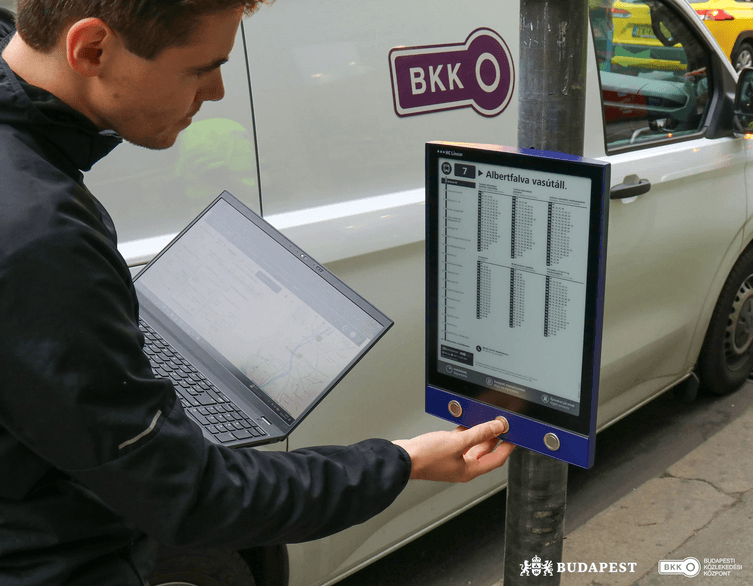
Budapest Installs 61 New Digital Timetable Displays: What Visitors Need to Know
Waiting for a bus or tram in an unfamiliar city often comes with a familiar question: is the service running on time, or has something changed? Budapest’s...
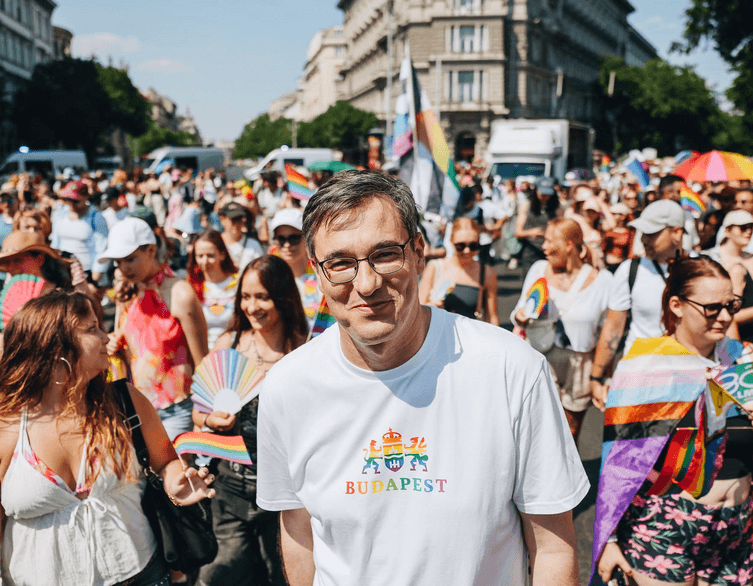
Budapest’s Next Chapter: Greener Parks, Better Transport and a Revamped Riverside
Budapest is preparing for a new wave of urban development, with plans to transform its riverside, refresh major public spaces and improve public...
Budapest Cracks Down on Smoking at Public Transport Stops
If you’re planning to light up a cigarette while waiting for your tram, bus, or metro in Budapest, think again. The city has ramped up enforcement...
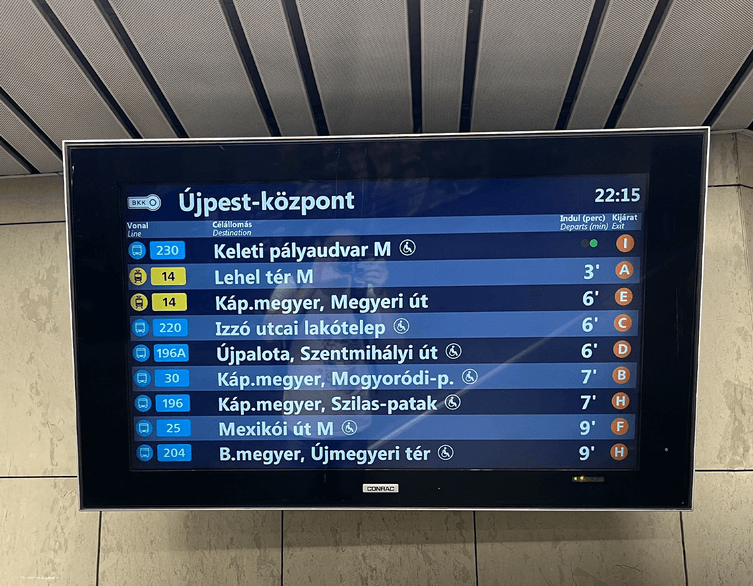
Clearer Stops, Real-Time Screens, and Accessible Rides: Budapest Upgrades Public Transport
Getting around Budapest by bus, tram, or metro is about to become a lot less confusing for visitors, thanks to a wave of new passenger information...