Green Budapest: How the City’s Young People Are Cooling Down the Capital
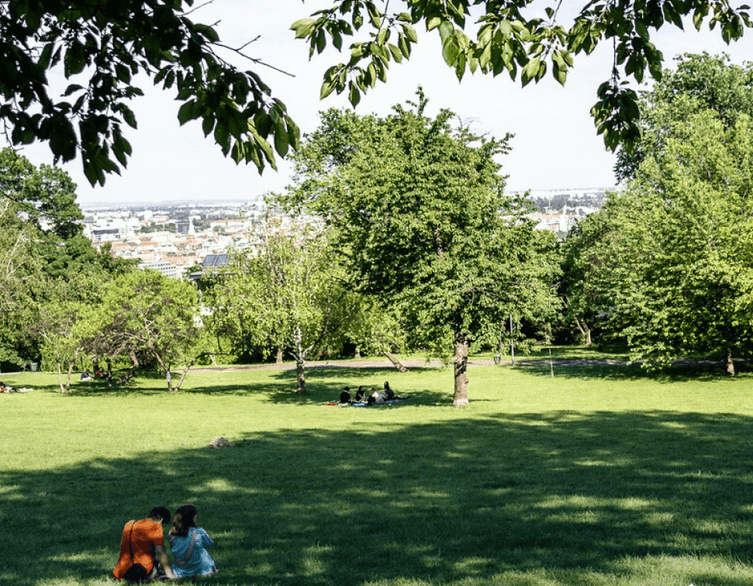
Budapest has just handed out roughly 15 million forints (about 48,000 US dollars) to 15 youth-led climate projects. If you visit in 2027, you may spot some of them in the city’s schoolyards, tram corridors and public parks.
A Fund Built by and for Young People
The City of Budapest runs a Youth Climate Action Fund, backed by the Bloomberg Philanthropies Youth Climate Action Fund. Groups of 15 to 24-year-olds could apply until September 30 with ideas for making city life more sustainable and softening the effects of climate change. Each group asked for between 500,000 and 1.5 million forints and had to submit a detailed budget.
Of the 21 applications received, a six-member jury picked 15. The Budapest General Assembly approved the decision on October 30, 2026. Winners must finish their projects by April 1, 2027. They also get mentoring and support from city experts along the way.
Best deals of Budapest













The aim goes beyond environmental results. City officials want young people to take an active part in shaping Budapest’s future and to gain first-hand experience of local civic life.
Projects You Might Notice on Your Trip
The winning ideas are varied. Some are about greening schoolyards and terraces, community composting, clothes-swap and repair workshops, and planting greenery at public transport stops. Others are about mapping the city’s water-retention potential. A few stand out for visitors.
The jury ranked the “Life Ring” project (Életgyűrű) from the Settlement Development Association best. It will turn the ground around trees in kindergarten and school yards into small permaculture ecosystems. Pollinator-friendly plants, bird baths and bat boxes will improve water retention, biodiversity and the local microclimate. It received 900,000 forints.
If you ride Budapest’s yellow trams, the Petrik Foundation’s “Greenway” project may interest you. It will compare air pollution along traditional tram tracks and grass-covered ones. It will test whether greening the lines can cut particulate pollution and help the city adapt to a warmer climate. It received 823,000 forints.
The “Cool Stops” project (Hűvös megállók) comes from students at the Kőrösi Csoma Sándor Bilingual Baptist Secondary School. They plan to put planter boxes at public transport stops to fight the urban heat island effect, and they will hold workshops and talks on climate adaptation. After a hot summer day of sightseeing, a greener tram stop could be a welcome change. The grant is 700,000 forints.
Giving Old Clothes and Attics a Second Life
The Hungarian Red Cross Budapest Organisation’s “Heroes of Clothes” (Ruhák hősei) project promotes mindful clothing use through clothes-swap events and creative repair workshops. It received 1,050,000 forints. The Artemisszió Foundation is running a similar clothes-swap and repair programme as part of its sustainable lifestyle campaign.
The most experimental winner may be “Attic in the Attic” (Padlás a padláson), from the Bercsényi Architecture College Foundation. It will convert an unused attic into a year-round community space. Instead of heating the whole attic, the team will build small, temperate units to save energy. The jury praised its innovative approach, and it received the largest grant, 1,350,000 forints.
Other Winners Worth Knowing
Several other teams are tackling everyday sustainability. Student dormitories will get zero-waste kitchen kits and composters. A school terrace in Budapest will be greened with drought-tolerant plants, rainwater collectors and solar-powered irrigation. Young people in Pestszentimre, in the city’s outer districts, will organise litter-picking drives. In Óbuda, the Táborhegy Park will be surveyed with drones and LIDAR to map its water resources. Other projects use short films, social media and training courses to bring climate topics to young people.
Seeing Green Budapest Yourself
Budapest is already a good city for low-impact travel. Public transport covers most sights, and the city’s parks, riverbanks and Buda hills are easy to reach on foot. Climate-conscious visitors can choose trams, metro and walking over taxis. Winter visitors are less likely to see the new greenery, because these projects are due for completion by spring 2027. The city plans to report on the teams’ progress in the coming months, so check back to see what has appeared. A spring or summer trip would be the best time to see the results.
Related news
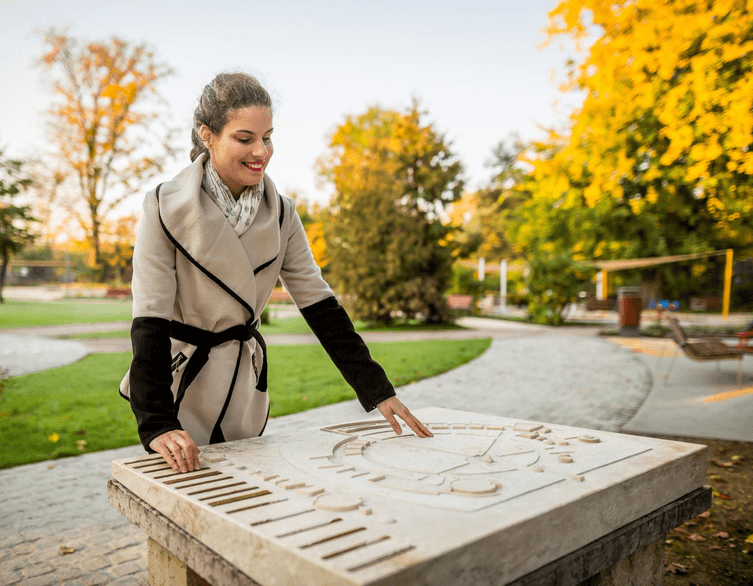
A Greener Budapest: How Trees, Rainwater and Healthier Soil Could Transform the City
A shady street can make all the difference when you’re exploring Budapest on a warm afternoon. But the capital’s trees and planted spaces do...

Budapest’s Next Chapter: Greener Parks, Better Transport and a Revamped Riverside
Budapest is preparing for a new wave of urban development, with plans to transform its riverside, refresh major public spaces and improve public...
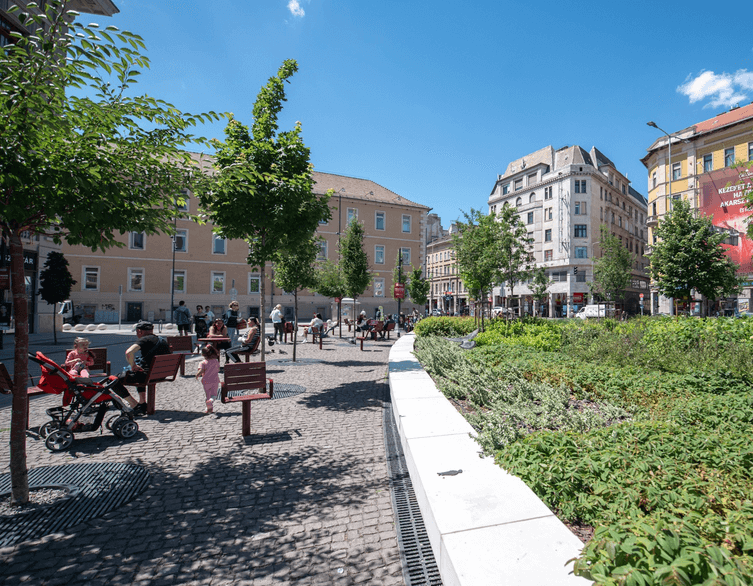
Budapest’s Green Future: The City Turns Into a “Sponge City”
Budapest has just taken a major step toward becoming one of Europe’s most climate-resilient capitals, and it’s a story worth knowing...
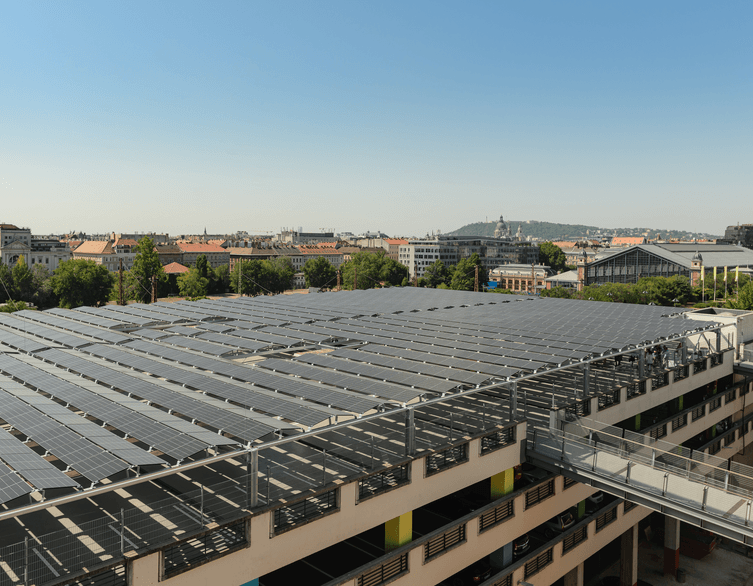
Westend Goes Green: Budapest’s Biggest Rooftop Solar Park Opens Above One of the City’s Favorite Malls
If you’ve ever browsed the shops at Westend Shopping Center in Budapest, you might not realize that just above your head now sits the city’s...

Making Budapest Greener by Introducing LOGI Points
Budapest has always been a city that surprises its visitors. Beyond the grand Parliament building, the steaming thermal baths, and the ruin bars...