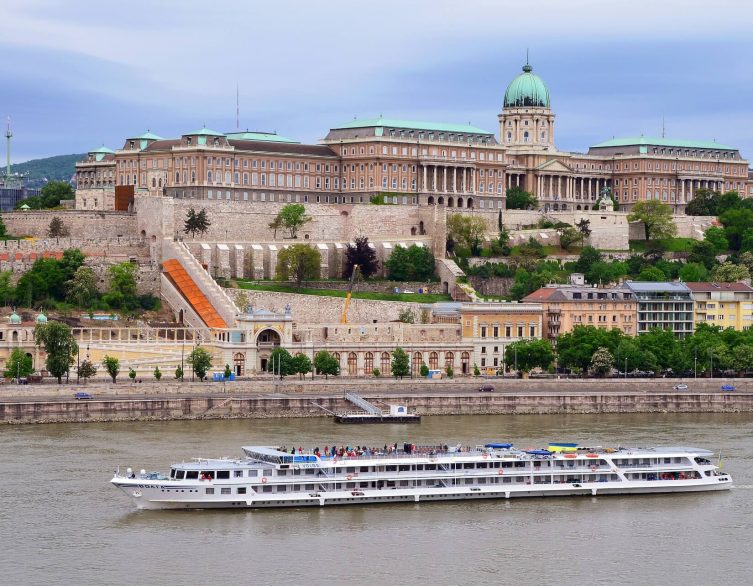
Airbnb Ban in Buda Castle from 2028: What Travellers Need to Know

Buda Castle is about to become a no-Airbnb zone. The District I council has voted to ban short-term apartment rentals in the Castle District from 1 January 2028, so if you dream of waking up under the Buda hill, here’s what is changing.
What Has Been Decided
On 19 November, the representatives of Budapest’s District I (Buda Castle and its surroundings) adopted a decree on short-term rentals, the kind of stays most people know as Airbnb. The decree takes effect on 1 January 2027. In the Castle District (Várnegyed), the full ban follows a year later, on 1 January 2028.
There’s a grace period. Private and other accommodations registered by 31 December can keep operating until the end of 2027. After that, no more short-term stays in the Castle District. The council says the goal is to protect residents’ peace and the residential character of the neighbourhood, and to bring more balance to tourism. It also pointed out that UNESCO sets the preservation of residential use in historic districts for just two cities, Venice and Budapest.
Beyond the Castle Walls
Outside the Castle District, the rules are more nuanced. For flats in condominium-type buildings, accommodations registered by 31 December can continue until the end of 2027 without the building’s consent. From 1 January 2028, the owner will need the condominium’s approval. The same applies to housing cooperatives and to jointly owned residential buildings with at least three flats that haven’t been converted into condominiums. Condominiums may also decide locally on the number of rental days or other limits.
Best deals of Budapest













In buildings that aren’t condominium-type, short-term accommodation can continue all year round. The district clerk will check compliance. Rule-breakers can face a fine of up to 200,000 forints for individuals and sole traders and up to 2 million forints for companies and other organisations. The clerk can also order a 45-day temporary closure of the property.
How Many Rentals Are We Talking About?
According to the preliminary impact assessment, District I has 420 registered private and other accommodations, and only 19 of them are in the Castle District. So this is a targeted change, not the end of staying in the neighbourhood. For comparison, the district surveyed locals earlier this year. Of the 4,053 residents who voted out of roughly 24,000 living in the district, 58.6 percent supported a full ban. Support was highest in the Castle area, at over 66 percent.
It’s Part of a Bigger Trend
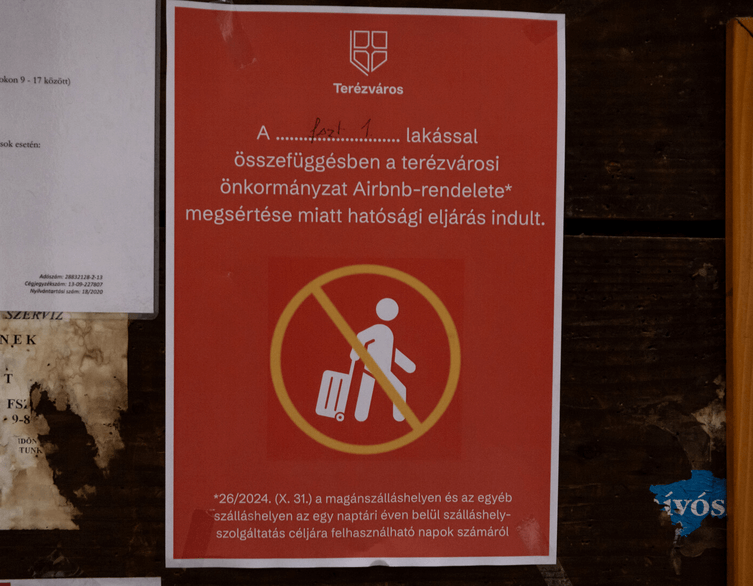
District I isn’t the first. Theresa Town (District VI, Terézváros) was the pioneer. After a local vote in 2024, it banned short-term rentals completely from 1 January 2026. District XIII announced in early September that it would also regulate short-term rentals.
What It Means for Your Trip
For visitors planning a trip in 2026 or 2027, nothing changes right away, and the registered rentals in the Castle District can keep operating until the end of 2027. If you’re booking for 2028 or later, expect fewer apartment options on Castle Hill and in Theresa Town, and always check that your listing is legal and registered. Hotels and other traditional accommodation aren’t covered by this decree, and Budapest has plenty of choice across the city.
Many visitors will still enjoy the Castle District as a day-trip destination, with its cobbled streets, panoramic views and historic atmosphere. Policies like these are meant to keep it a living neighbourhood, not just a postcard. Rules can change, so check the latest local regulations before you book.
Related news
Airbnb’s New Cleaning Rules: What Budapest Visitors Need to Know
Your last morning in Budapest should be about enjoying breakfast or taking one final walk—not working through a lengthy checkout chore list. Airbnb...
Terézváros’ Airbnb Ban One Year On: Lower Rents and What It Means for Your Budapest Stay
If you’ve been apartment hunting for your Budapest trip and noticed that the elegant streets around Andrássy Avenue have far fewer short-term...

Buda Castle District Puts Airbnb’s Future to a Public Vote — What It Means for Your Budapest Trip
If you’re dreaming of waking up in a cozy apartment just steps from Buda Castle, Fisherman’s Bastion, or Matthias Church, pay close attention:...
Józsefváros Is Cracking Down on Airbnb: What Tourists Need to Know Before They Book
If you’re planning a trip to Budapest and considering an Airbnb, there’s some news worth knowing about. The Hungarian capital is quietly...
Related attractions