Floralia 2026: Rome Comes Alive in Budapest This Weekend
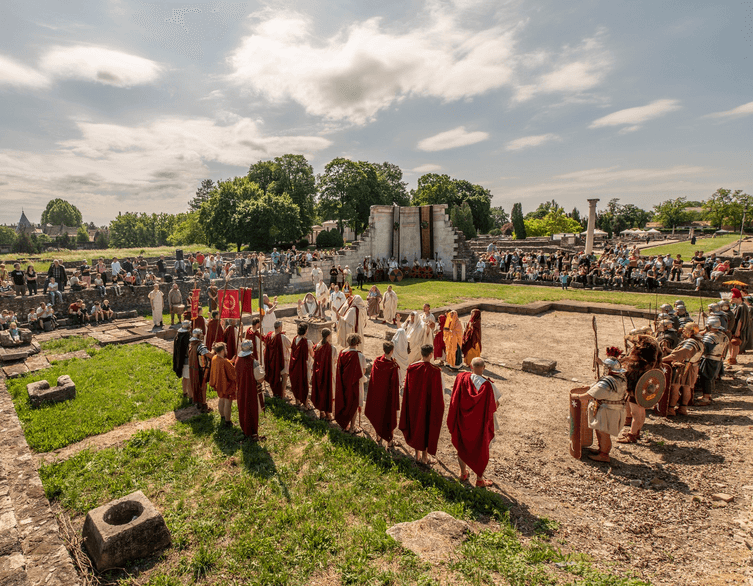
Forget time machines — Budapest has something better. On May 9th and 10th, the ancient ruins of Aquincum Archaeological Park in the city’s Óbuda district transform into a living, breathing Roman city, complete with toga-clad citizens, gladiator fights, prophecy-telling priestesses, and enough ancient drama to make your history teacher weep with joy. This is Floralia, Budapest’s Roman Spring Festival, and it’s celebrating its 35th edition in 2026.
What on Earth Is Floralia?
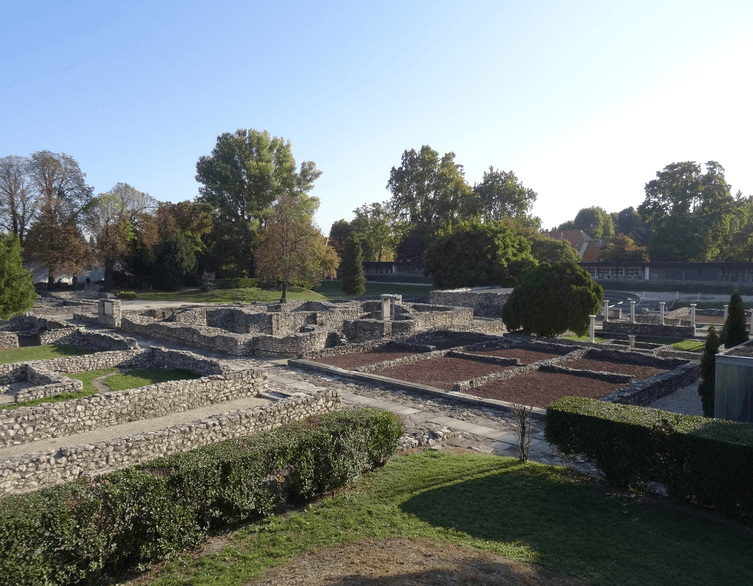
Floralia was a real festival in ancient Rome, held in honour of Flora, the goddess of flowers and spring. Fast forward two millennia and Budapest has turned it into one of the city’s most beloved annual events. The Aquincum Museum and Archaeological Park — built on the ruins of what was once a thriving Roman provincial capital — provides a jaw-droppingly authentic backdrop that no film set could replicate. Wandering through 2,000-year-old stone walls while legionaries march past you is, to put it mildly, a memorable Saturday afternoon.
The Opening Ceremony: Flowers, Togas, and Pure Theatre
The festivities kick off at 11:00 AM on both days with an opening dance, a festive procession through the flower-adorned ruins, and a ritual ceremony in honour of the goddess Flora herself. Think of it as a parade, but with better costumes and considerably more incense. Once the goddess has been suitably honoured, the full festival springs into action across the entire archaeological park, with continuous programming running all the way through to 6:00 PM.
Gladiators, Legions, and Ancient Athletes
Let’s be honest — the gladiators are the headline act. Two different gladiatorial groups take to the arena across the weekend: Familia Gladiatoria performs at 1:30 PM and Collegium Gladiatorium at 4:00 PM, with real demonstrations of ancient combat techniques that will have you simultaneously grateful and slightly relieved you weren’t born in the 2nd century AD. The Roman legionaries are also out in force, showing exactly why they conquered most of the known world, while a Germanic living history group provides the barbarian perspective. For those preferring their ancient sports a little less stabby, there’s also a recreation of the Olympic Games at noon, where you can cheer on ancient athletes doing ancient athletic things.
Archaeology for People Who Think Archaeology Is Boring (It Isn’t)
Floralia has a quietly brilliant way of making history genuinely fascinating. Expert archaeologists give talks throughout the day on topics ranging from the lives of Roman women and the secrets of Pannonian wardrobes to the cultural history of Roman latrines — yes, really, and yes, it’s exactly as entertaining as it sounds. There’s also a guided tour of Aquincum’s civilian town, a walk through the exhibition on the Sarmatians who lived just next door to the Roman city, and a session on ancient birds as archaeological finds, timed to mark Hungary’s Birds and Trees Day. For those who’ve always wanted to speak like Caesar, there’s a crash course in Latin at 12:30 PM and again at 4:00 PM — no prior toga ownership required. On Sunday at noon, there is also a dedicated English-language guided tour of Roman life in Aquincum, a perfect option for visitors who’d rather not guess at the Hungarian commentary.
Best deals of Budapest











Mystery, Magic, and the Mithras Cult
If archaeology lectures aren’t mysterious enough for you, Floralia goes full ancient mysticism. From 2:00 PM onwards, the Priestess of Isis will be telling fortunes — because apparently even the Romans couldn’t resist a good prophecy. There’s also a dedicated session on the Mithras mystery cult, one of antiquity’s most secretive religious brotherhoods, as well as explorations into ancient perfumes, medicinal herbs, and the life-giving grain that kept the empire fed. It’s the kind of afternoon that makes you question everything you thought you knew about the ancient world.
For Families: Kids Go Full Roman
Floralia is genuinely brilliant for children, and not just because of the gladiators. Young visitors can take a bravery challenge, go on a treasure hunt, and try their hand at ancient crafts like mosaic-making, calligraphy, and painting under the guidance of “ancient masters.” The Térszínház theatre company performs mythological stories for kids throughout both days — tales of brave warrior girl Atalanta on Sunday and myths about the trickster god Hermes on Saturday, complete with appropriately dramatic storytelling. On Saturday evening, adults are treated to a performance of Socrates’ Defence Speech by the same theatre group, which is about as culturally packed as an evening gets.
Tickets, Getting There, and the Parking Trick
The festival runs from 10:00 AM to 6:00 PM on both Saturday May 9th and Sunday May 10th at the Aquincum Museum and Archaeological Park, Szentendrei út 135, in Budapest’s 3rd district. Tickets are priced at 3,500 HUF per adult per day, with discounted rates of 1,750 HUF for students and pensioners, and a family ticket (2 adults + 2 children) for 8,750 HUF. Group discounts apply for parties of 20 or more. Children under 6 and visitors over 70 get in free, as do people with disabilities and their companions.
Getting there without a car is surprisingly easy. The HÉV suburban railway line H5 stops right at Aquincum station, just a few minutes’ walk from the park — arguably the most scenic commute to a Roman ruin you’ll ever make. Bus lines 34, 106, and 134 also stop nearby at Záhony utca. If you’re driving, note that the museum’s own parking is limited, but the Auchan supermarket car park directly across the street has reserved spaces for festival visitors. Tickets are available at the Aquincum Museum box office and online at aquincum.jegy.hu, and given that this festival draws serious crowds, booking ahead is genuinely good advice.
Floralia is also part of the Budapest Spring Festival programme, so if you’re in town for that wider cultural season, this fits perfectly into the mix — and frankly, there are worse ways to spend a May weekend than watching gladiators fight in a 2,000-year-old Roman ruin.
Related events
Related attractions