Budapest Is Going Wild — Nearly 1 Million Square Metres of Wildflowers Are Taking Over the City
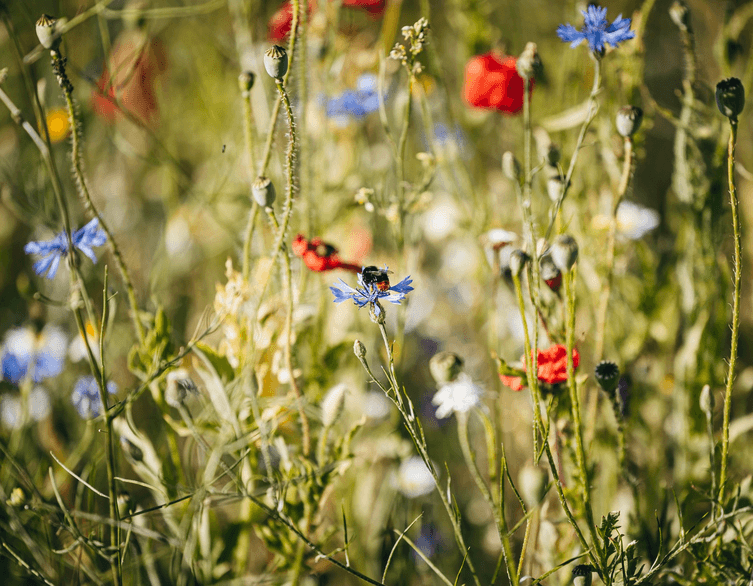
If you’ve been to Budapest before and remember neatly trimmed, sterile grass strips along the boulevards, brace yourself — the city has been quietly staging a green rebellion, and in 2026 it’s reached record-breaking proportions. We’re talking nearly one million square metres of wildflower meadows blooming across the Hungarian capital. That’s not a typo. That’s roughly 140 football pitches of buzzing, swaying, colour-popping nature, right in the middle of a major European city.
And the best part? You’re visiting at exactly the right time.
From Lawn Mower to Nature Lover
It all started back in 2021, when Budapest’s city government decided to rethink how it manages its green spaces. Instead of relentlessly mowing every patch of grass five to seven times a year — which, let’s be honest, is about as exciting for wildlife as a concrete parking lot — the city designated special areas where wildflowers would be allowed to grow, bloom, seed, and basically do their own thing. In that first year alone, 22 “insect-friendly” green surfaces were selected across parks and roadside green strips, covering more than 28 hectares.
Fast-forward to 2026, and the programme has grown into something genuinely extraordinary. The Wildflowering Budapest initiative now covers nearly 100 hectares of near-natural meadow-style grassland — up from around 72 hectares in 2025. Meanwhile, the city’s bee meadows, managed separately by Budapest’s public parks authority BKM-Főkert, have expanded to close to 1 million square metres, compared to 716,000 last year. The momentum here is unmistakable.
The Science Behind the Beautiful Mess
These meadows might look delightfully unkempt, but there’s serious ecological thinking behind every un-mowed blade of grass. Areas within the Wildflowering Budapest programme are only cut once or twice a year — just enough to keep things tidy along paths and steps, but leaving plenty of time for plants to flower, set seed, and attract pollinators. Taller grass also retains significantly more moisture, helping the city cope with increasingly intense summer droughts.
The city even developed its own bespoke seed blend: the Budapest Seed Mix, created in collaboration with ecologists. It comes in two versions — the Meadow mix, featuring 49 native annual and perennial species, and the Light mix, a gentler blend designed for smaller or more public-facing spots. In 2026, several new areas across the city are being overseeded with this mix, from Gizella Promenade in the 9th district to the stunning grounds near the Dominican Monastery on Margaret Island.
Where to Spot the Wildflowers
The meadows are literally everywhere — which makes spontaneous wildflower-spotting one of the best free activities in Budapest this spring and summer. Here are some of the most rewarding spots to keep on your radar.
Gellért Hill is probably the most dramatic location: the southern and northern slopes below the Citadel are part of the programme, and some sections actually contain strictly protected plant species. Wandering up through the terraced hillside and stumbling across rare wildflowers with a panorama of the Danube behind you is, frankly, an unreasonable amount of magic for a single afternoon.
The Aquincum Meadow in the 3rd district — right next to the Roman ruins of Aquincum in Old Buda — is another gem. Imagine lounging on a wildflower-dotted meadow while ancient amphitheatre walls peek out from behind the grass. History and biodiversity don’t always overlap this elegantly.
Best deals of Budapest











People’s Park (Népliget), one of the largest parks in Budapest, has designated wildflower sections too, and its sheer size makes it perfect for a long, lazy green afternoon. Margaret Island — always a favourite among both locals and tourists — contributes through the grounds of the old Dominican Monastery and the Royal Courtyard, where wildflower seeding is taking place in 2026.
Don’t overlook the less touristy spots either. The long green median strip along Hunyadi János Road in the 11th district, the roadside meadows along Szerémi Road, and the slopes around Rákóczi Bridge on both the Buda and Pest sides all feature wildflower areas that burst into colour from May onward — and are completely free to walk past, pause at, or photograph to your heart’s content.
A City That’s Serious About Bees
Beneath all the pretty flowers, there’s a genuine conservation mission at work. Budapest is part of the EU-funded Biodiverse City LIFE project, which focuses on restoring valuable Pannonian grassland habitats — essentially the natural ecosystem that existed in this part of Europe long before the city was built. The programme works to re-establish traditional land use methods, improve water retention, and create wildlife corridors linking the Buda Hills, the Danube riverbanks, and the urban parks on both sides of the river.
Small wooden bee hotels have also started appearing on trees across the city’s parks, part of the international UrbanBEE scientific project. So if you spot what looks like a quirky birdhouse nailed to a tree in a Budapest park, look closer. It’s almost certainly hosting dozens of solitary bee species that most people have never even heard of. Budapest is that kind of city now.
Watch the Colours Change Week by Week
One of the most charming aspects of the Wildflowering Budapest programme is that it’s genuinely dynamic. From May onwards, a different colour dominates the meadows each week as different species come into bloom in sequence. One week it might be the golden yellow of buttercups; the next, a wash of purple wild sage or white yarrow. If you’re visiting between May and September, the show will be different depending on exactly when you arrive — which is, frankly, a brilliant excuse to come back.
The city has gone to considerable lengths to make sure these areas don’t look simply abandoned. Edges along footpaths, steps, and roads are neatly trimmed, so the wildflower patches feel deliberate and designed rather than neglected. Think of it as Budapest’s outdoor floral art installation — one that changes its palette every week and covers close to a hundred hectares.
Beyond the Wildflowers: Budapest in Full Bloom
The wildflower programme is just one chapter in Budapest’s broader spring story. The cherry blossoms along the Tóth Árpád Promenade at Buda Castle draw visitors every April, and the ELTE Botanical Gardens hosts an annual Sakura celebration inspired by Japanese Ohanami traditions. City Park, one of the oldest public parks in the world, is lush and photogenic in spring, sitting right next to the iconic Széchenyi Thermal Baths and the fairy-tale silhouette of Vajdahunyad Castle.
A Green City Worth Slowing Down For
Budapest has always rewarded the visitors who are willing to wander without an agenda — to duck into a side street, sit in a courtyard, or take the long way around the hill. The Wildflowering Budapest programme fits that spirit perfectly. These meadows aren’t ticketed attractions or Instagram stunts; they’re woven into the everyday fabric of the city, along its roads, in its parks, beside its ancient ruins and riverbanks. You’ll encounter them naturally, often when you’re on your way to somewhere else entirely.
And that, perhaps, is the whole point. A city going wild isn’t just good for the bees. It’s good for anyone paying attention.
Related news
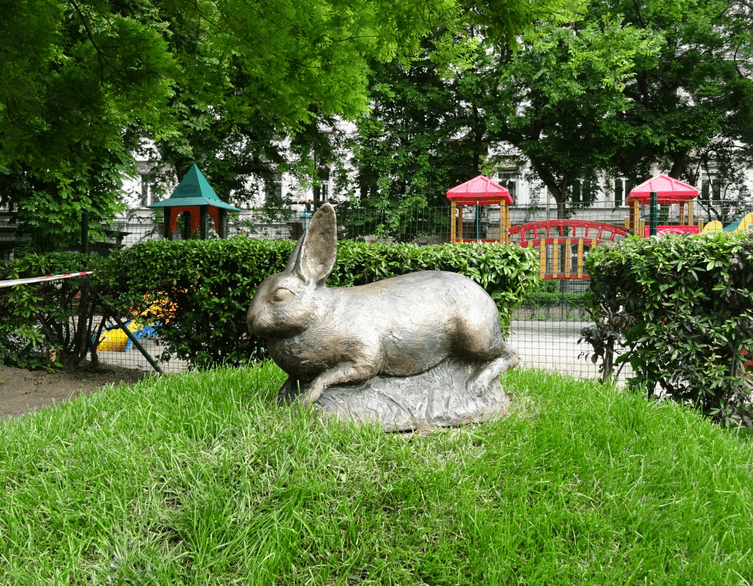
The Best Parks for a Picnic in Budapest in 2026 — A Visitor’s Guide to Eating Outdoors in the Hungarian Capital
Budapest is one of those cities that becomes almost impossibly beautiful when the sun comes out. The light bouncing off the Danube, the green hills...

Green Ways to Explore Budapest: Your Guide to Eco-Friendly Transport
Earth Day is a great reminder that protecting our planet doesn’t require grand gestures. In fact, some of the most meaningful changes start...
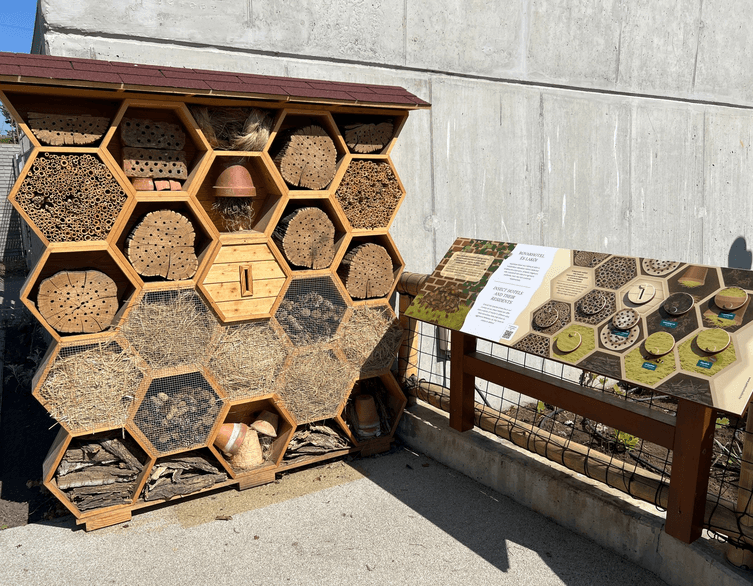
Bees, Butterflies, and Budapest: The Zoo’s New Pollinator Garden Is Worth a Visit
When most visitors picture the Budapest Zoo & Botanical Garden, they think of exotic animals, century-old Art Nouveau pavilions, and the lush...
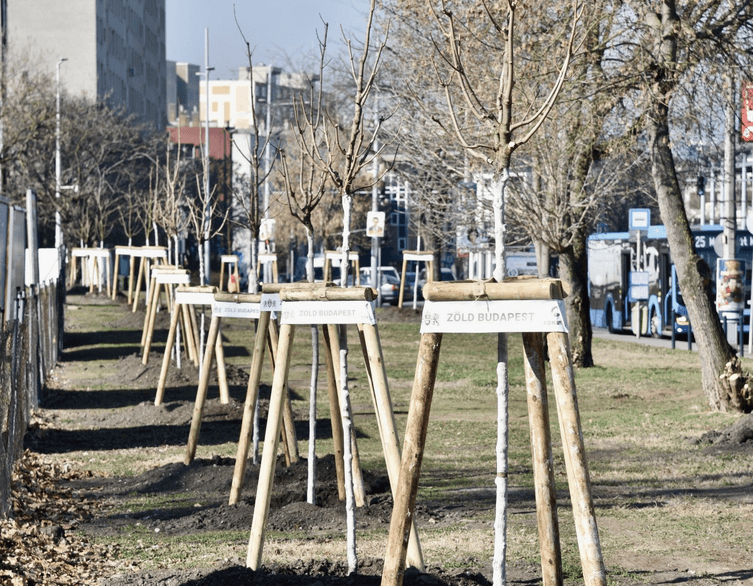
Budapest Is Getting Greener: Over 560 New Trees Planted Across the City This Spring
If you’re visiting Budapest this spring, you might notice something fresh in the air — and not just the warmer temperatures. The city is...
Grow Your Own Hungarian Meadow: The Budapest Seed Mix Story
Let’s Get Those Hands Dirty in Budapest’s Urban Wilds Ready to channel your inner garden gnome? In Budapest, they’ve launched something truly...