Sziget Festival 2026 Is Back — And It’s Going Back to Its Roots

If you’ve ever dreamed of spending a week on a tropical island surrounded by world-class music, jaw-dropping art, circus performers, and tens of thousands of like-minded souls from across the globe — congratulations, your dreams are surprisingly achievable and they’re called Sziget. Budapest’s legendary Island of Freedom returns in 2026, and this year the story behind the comeback is almost as exciting as the festival itself.
A Festival Snatched from the Jaws of Cancellation
Let’s set the scene: Sziget Festival had a genuinely dramatic near-death experience before its 2026 comeback. The Luxembourg-based foreign owner, Superstruct Entertainment — itself acquired by American investment giant KKR in 2023 — decided it was done taking risks in Hungary and walked away. Festival founder Károly Gerendai stepped in to buy it back, but needed a better land-use agreement from the City of Budapest to make the numbers work. The city council failed to vote it through — not once, but multiple times — with both major political factions abstaining. Things looked grim. Then, almost overnight, a very public handshake between Gerendai and opposition politician Péter Magyar went viral, both sides declared a compromise had been reached, and just like that, Sziget was back.
The festival has now returned to Hungarian hands, with management holding a 70% ownership stake and a consortium of major suppliers and professional partners sharing the remaining 30% — each holding between 1% and 5%. As Gerendai himself put it, those partners have a very clear business interest in keeping Sziget alive, since a healthy chunk of their annual income depends on it. Smart, collaborative, and frankly the kind of ownership structure that gives a festival actual soul.
A New Vision for the Island of Freedom
The foreign ownership years left Sziget in a bit of an identity crisis, and Gerendai is refreshingly candid about it. The festival had drifted toward a model of booking the same international headliners that dozens of other festivals across Europe were also booking — which meant Hungarians didn’t feel it was theirs anymore, and foreigners didn’t see enough reason to make a special trip. The new vision fixes both problems at once: make Sziget uniquely Hungarian and uniquely unmissable.
For international visitors, that’s genuinely exciting news. The pitch is simple — yes, you’ll see global superstars you love, but you’ll see them in a setting that’s completely unlike anything else on the festival circuit, with a cultural depth, a citywide festival ecosystem, and a Hungarian spirit that simply can’t be replicated anywhere else. Sziget is still ranked among the top 10 international festivals in the world, and the new team is determined to make sure it stays there by being the best, not just one of the best.
The Dates, the Island, and How to Get There
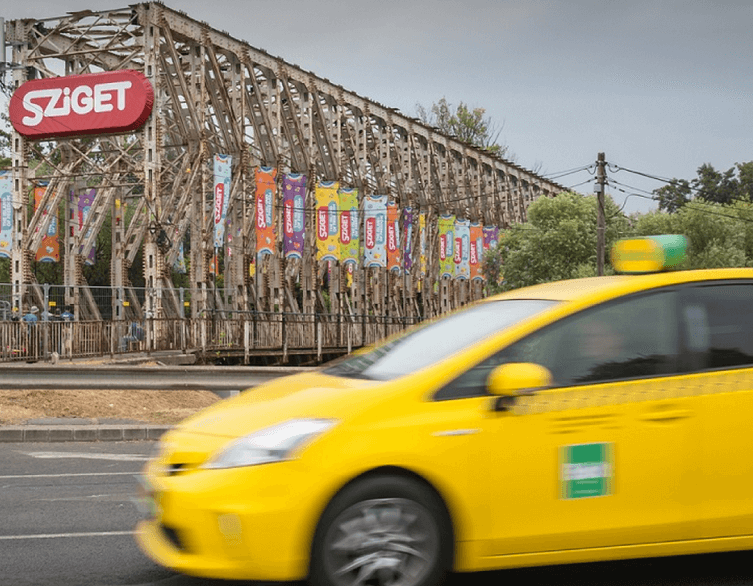
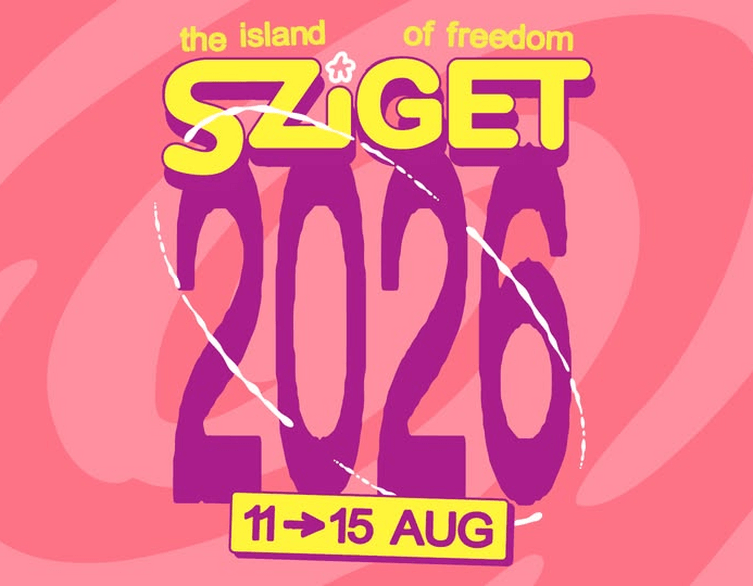
Sziget 2026 runs from August 11 to 15 on Óbuda Island, a lush, 100-hectare slice of the Danube sitting right in the heart of Budapest. There’s also a Zero Day on August 10 — more on that shortly. The easiest way to reach the island is by HÉV suburban railway line H5, hopping off at Filatorigát station and walking to the main K-Bridge entrance. Buses 226 and 111 also serve the area from central Budapest. If you’re feeling adventurous, the organisers have even announced guided bike tours from Vienna and Bratislava this year.
Best deals of Budapest










Five-day passes start from €379, with 3-day options from €269 and day tickets from €99. Students with a valid student card who also hold a Budapest public transport pass can get in at half price — a very welcome gesture. Bolt is the official taxi partner of the festival, with dedicated pick-up points at the K-Bridge main entrance and the H-Bridge for VIP guests, and on-site coordinators to help you get home safely after the last act closes.
Zero Day: A Full-Blown Nostalgia Trip With a Very Late Bedtime
Before the main festival even opens its gates, Sziget 2026 fires its most sentimental shot yet. On August 10 — Zero Day — the organisers are throwing what can only be described as a love letter to the festival’s own history: a night of legendary returning acts who have collectively rocked Óbuda Island across three decades, followed by one of the longest and most affectionately ridiculous afterparties in Sziget memory.
The headline of the evening belongs to Faithless, the British electronic music institution that has become genuinely inseparable from the mythology of this island. They first played Sziget way back in 1999, returned in 2001 for what became the first ever sold-out Main Stage show in the festival’s history, and came back a total of five times through 2010 — each appearance setting new crowd records. If you weren’t there, you’ve almost certainly heard people talk about those nights with a slightly glazed look in their eyes. Now you get to make your own glazed memory.
Joining them is Morcheeba, the British triphop pioneers who first played the island in 2001 with a show that has been talked about ever since. Their languid, hypnotic sound is the kind that feels custom-made for a warm August evening by the Danube, and they’re an act that newer festival generations are discovering with genuine delight.
Completing the nostalgic lineup is none other than Goran Bregović and His Wedding & Funeral Orchestra — and this one comes with a particularly poetic detail. Bregović first took the Sziget Main Stage on August 10, 2006, which means his 2026 Zero Day performance lands on the exact 20th anniversary of that debut. Twenty years of brass sections, Balkan fire, and a crowd that cannot physically stand still. If that doesn’t make you emotional, you may need to check your pulse.
After the Concerts: Welcome to the Táncdalfesztivál
The organisers know perfectly well that sending nostalgic festivalgoers home after the last Main Stage chord would be a crime, so they’ve arranged something wonderfully chaotic for the small hours. The Revolut Stage transforms into a late-night audiovideodisco extravaganza called Sziget Táncdalfesztivál ’26, a modernised resurrection of the beloved Song Contest tent that old-school Sziget visitors will remember fondly.
The whole affair is hosted by Janklovics Péter — the star of arguably the most famous Sziget advertisement ever made — and is joined by a rotating cast of Hungarian musical legends, including the iconic György Korda. Think glitter, era-defining hits, and the kind of communal joy that only happens when three generations of festivalgoers discover they all know the same words to the same songs.
Zero Day tickets start from just 22,900 HUF, and if you already have a full festival pass, you can join the party early with a move-in ticket. Consider it the warm-up act to end all warm-up acts.
The Headline Acts: Something for Everyone
The 2026 Main Stage lineup reads like a fever dream of modern music. Skrillex closes the festival as Saturday night headliner, while Bring Me The Horizon, Florence + the Machine, Twenty One Pilots, Lewis Capaldi, Zara Larsson, Skepta, Jorja Smith, and Tash Sultana are among the confirmed names. The Revolut Stage brings a different flavour, with Soulwax, Underworld, Nia Archives, Parcels, and 2manydjs on the bill.
Electronic music lovers have a dedicated triangle of venues — the Yettel Colosseum, BOLT Night Stage, and the brand-new Arzenál × Turbina Der Klub — hosting the likes of Peggy Gou, Richie Hawtin, Sara Landry, Dixon, and WhoMadeWho. And for the first time, Budapest Park gets its own dedicated stage — the Budapest Park Stage by Johnnie Walker — showcasing the very best of the Hungarian music scene, from legendary acts like Kispál és a Borz and Tankcsapda to contemporary favourites like Blahalouisiana and Platon Karataev. The closing concert of the entire festival will be performed by Müller Péter Sziámi, one of Sziget’s own co-founders.
Eleven Districts of Pure Discovery
One of the most exciting structural changes to Sziget 2026 is the expansion to eleven distinct districts, each functioning like its own mini-festival within the big one. Heading north, the Wonderland district brings together the Magic Mirror queer club, the Lightstage, and the Art Garden. Moving south, the dropYard becomes its own full hip-hop neighbourhood for the first time, complete with a graffiti wall where you can try your hand at spray art (water-based, washable paint — no worries), a halfpipe with daily shows by world and European champion skaters and BMX riders, and a cypher space dedicated to breaking.
The Jardin des Arts — or Garden of Arts — is a complex performing arts district where contemporary circus, dance, and audio-visual productions collide. Le Grand Theatre hosts nightly large-scale productions for over 1,500 spectators, while Le Dôme is a stunning new dome structure that transforms into a full 360-degree audio-visual experience after dark. Street theatre productions roam the entire festival grounds, and you might find yourself suddenly surrounded by the wolves of Spain’s La FAM Teatre or pulled into the orbit of French acrobats spinning through the air. The We Are Family zone offers creative programming for families and younger visitors, while the Field of Sports has you covered if you feel the urge to be active between concerts.
The SZociety Movement: More Than Just a Party
Sziget has always stood for something beyond the music, winning the European Festival Awards “Take a Stand” prize twice for its social initiatives. In 2026, the festival launches the SZociety Movement and the SZiget SZociety Foundation, addressing one of the defining challenges of today’s generation: the mental health crisis among young people aged 16–25.
The initiative is built around a beautifully simple idea — the “experience capital” cycle. Instead of cash donations, businesses and cultural institutions contribute their own capacity: concert tickets, off-season hotel weekends, restaurant dinners. These become fuel for the mental health professionals and volunteers working on the front lines, particularly those serving disadvantaged young people with limited access to help. The annual SZuper SZociety Award, given out on the Main Stage during the festival, puts the spotlight on school psychologists, civil organisations, and digital creators who are actually making a difference — with young people themselves having a decisive vote in who wins.
Food, Drink, and Keeping It Green
Sziget’s culinary offering in 2026 spans everything from budget-friendly street food to fine dining courtesy of the Costes Group in the VIP section. Thai, French, Italian, Japanese, Mexican, and Greek kitchens sit alongside a proudly Hungarian food offering, and vegetarian, vegan, and allergen-free options are wider than ever. Every day before 6 PM, all drinks are 10% cheaper — so there’s a very good reason to arrive early. A brand-new Food Market with breakfast options and premium vibes adds a relaxed communal hub to the mix, and the JótéKonyha food truck — run by the Hungarian Food Bank — serves affordable savoury and sweet pies, with every purchase directly supporting food rescue efforts.
On the sustainability front, the island will be dust-free thanks to a watering partnership with the City of Budapest using Danube water, and a successful tent deposit scheme from 2025 — which dramatically cut the number of abandoned tents — continues this year. Donated tents go to the Hungarian Maltese Charity Service, and torn ones become upcycled products. A new comprehensive waste management reform also comes into effect in 2026, with broader recycling streams and stricter supplier responsibility.
The Bigger Picture: Sziget and Budapest as One Experience
Perhaps the most exciting new initiative is Sziget City, a project that weaves the festival into Budapest’s wider cultural fabric. City venues including the Turbina, Arzenál, Budapest Park, and the Bartók Quarter are all joining the ecosystem, with events and tie-ins happening in the city before and during the festival. Lupa Beach offers free admission to festival pass holders for five days. And the festival is again preparing special City Pass packages with BKK, the Budapest transport authority, bundling public transport and city services at discounted rates to make the whole Budapest experience even more seamless for international visitors.
Sziget has always been more than a festival — it’s a reason to fall in love with Budapest. In 2026, with its founder back at the helm, its identity renewed, and an island full of music, art, circus, food, and genuine human connection waiting for you, that’s truer than ever. The Island of Freedom is calling. The question is: will you answer?
Related news
Sziget City Brings Budapest’s Best Spots Straight to Festival Fans
Sziget Festival has always been about more than just music, and this year it’s launching Sziget City, a new initiative designed to connect...
Sziget Festival 2026: Your Essential Guide to Budapest’s Island of Freedom
If you’re planning a trip to Budapest this summer, chances are you’ve already heard whispers about Sziget Festival. Known affectionately...
Festival Safety in Hungary: A Chill Guide for Tourists Before You Party
Hungary basically runs on festivals — the country has one of the highest numbers of them per capita anywhere in the world. So if you’re heading...

Tash Sultana Cancels Sziget Festival Performance, Pulls Out of All European Dates
If Tash Sultana was on your must-see list for Sziget Festival this year, it’s time to update your festival planner. The Australian singer-songwriter...

Sziget Festival 2026 Unveils Europe’s First Party-Padel Club
Sziget Festival is famous for turning the Óbuda Island into Europe’s biggest summer party, but this year it’s also reinventing what...
Sziget Festival 2026: How to Get Ready for the Island of Freedom Before You Even Land in Budapest
If you’re planning a trip to Budapest this summer, chances are Sziget Festival is already on your radar. Known affectionately as “The...
Budapest’s Historic K Bridge Set for Major Renovation: Easier and Safer Access to Hajógyári Island Ahead
One of Budapest’s most recognizable yet often overlooked bridges is preparing for a new chapter. The iconic K Bridge, known locally as the Óbuda...

Where to Sleep at Sziget Festival 2025: Your Complete Accommodation Guide
Sziget Festival on Budapest’s Óbuda Island is one of Europe’s biggest and most beloved music and arts festivals, drawing hundreds of...
A Day Unlike Any Other: Budapest’s Sziget Festival Honours the Man Behind Hungary’s Greatest Songs
If you’re planning a trip to Budapest this August, you may want to clear your calendar for the 9th — because something truly special is happening...

Skrillex at Sziget Festival 2026: Why Budapest Is the Place to Be This August
If you are planning a summer trip to Budapest and want to experience one of Europe’s biggest music events, there is now another major reason to...

How to Get 50% Off a Sziget Festival Pass in Budapest — The BudapestGO Student Deal Explained
If you’re a student planning a trip to Budapest in August 2026, you might be sitting on one of the best festival deals in Europe right now....
Sziget Festival 2026: The Delta District Is Back — and It’s Ready to Own the Night
Budapest’s most beloved island party is returning this summer, and the night just got a whole lot wilder. Sziget Festival 2026 runs from August...
Sziget Festival 2026: The Daily Lineup Is Here and Early Bird Tickets Are on Sale Today
Summer just got very real. Sziget Festival has dropped the daily lineup for its 2026 edition, and it is the kind of announcement that makes you open...
Related events