Budapest Is the World’s Best City for Free Walking Tours — Here’s Why You Should Lace Up Your Shoes
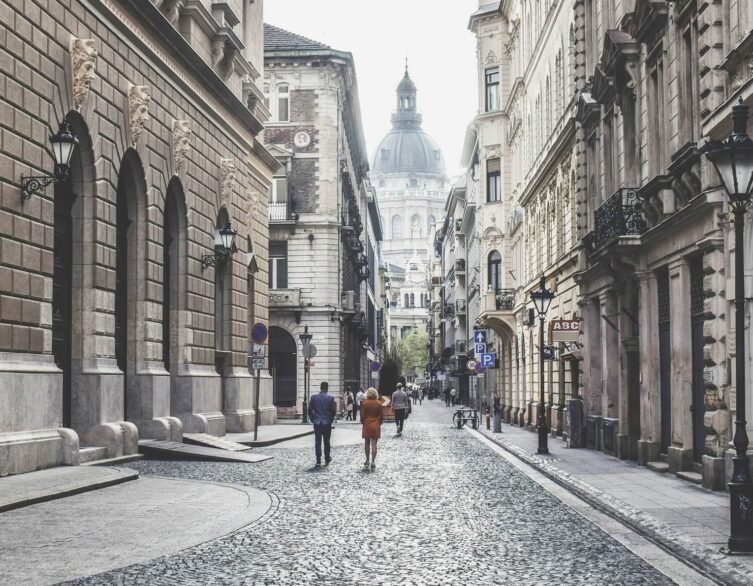
If you’ve ever wandered through a new city and wished you had a knowledgeable local friend to show you around, you’re not alone. Walking tours have become one of the most popular ways to explore urban destinations, and when it comes to the very best city in the world for this kind of experience, one name keeps rising to the top: Budapest. According to Freetour.com — one of the world’s leading platforms for free walking tours operating in 140 countries — Budapest claimed the number one spot in the ranking of the 100 best cities for free walking tours in 2026, beating out Rome, Vienna, and every other major destination on the planet.
What the Data Actually Says
This isn’t just a feel-good accolade based on vague impressions. The ranking was compiled from booking data and traveler reviews drawn from over a million completed trips, reflecting the genuine preferences of real participants who had no incentive to inflate their ratings. As Freetour.com CEO Ignacio Merino Romero put it, “Budapest’s rich history, stunning architecture, vibrant culture, and local cuisine make it a city that is a joy to explore on foot. Over the past few years, the number of searches and bookings for tours and activities on our platform has been growing steadily.” With more than 70 different free walking tours currently available in Budapest through the platform alone — and the vast majority rated above 9.5 out of 10 — the numbers speak for themselves.
Why Budapest Is Made for Walking
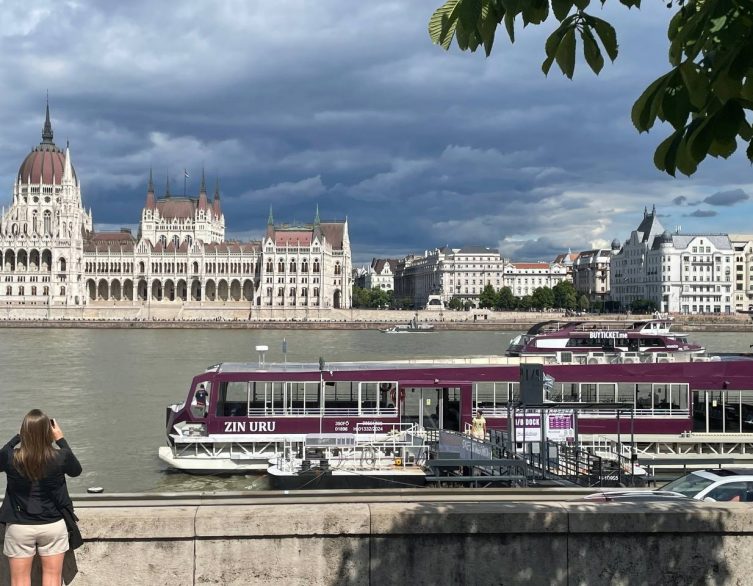
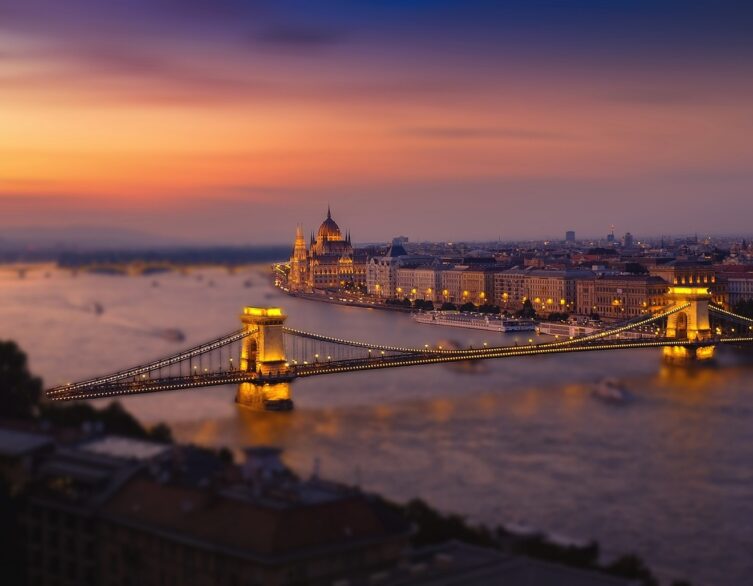
There is something almost uniquely cinematic about exploring Budapest on foot. The city is neatly split down the middle by the Danube River, with hilly, historic Buda on one side and the grand, flat boulevards of Pest on the other. Cross the Chain Bridge on a clear morning and you’ll understand immediately why this city captivates so many visitors. On one bank, medieval Castle Hill rises above the river; on the other, the sweeping façade of the Hungarian Parliament Building stretches along the waterfront.
Best deals of Budapest










Walk a little further and you find yourself in the Jewish Quarter, where ruin bars have sprung up inside the bombed-out shells of pre-war buildings, filling crumbling courtyards with mismatched furniture, street art, and laughter. Stroll down Andrássy Avenue — a UNESCO World Heritage boulevard — and you pass the Hungarian State Opera House, elegant coffee houses, and stunning Neo-Renaissance architecture at every turn. Head toward Saint Stephen’s Basilica and the pedestrian Zrínyi Street leads you there through one of the city’s most charming streetscapes. Budapest rewards the curious walker at every corner.
Free Walking Tours: The Smartest Way to Discover the City
So what exactly is a free walking tour, and why has it become such a beloved format among travelers? The concept is beautifully simple: you join a group led by a local guide, explore the city on foot for two to three hours, and at the end, you tip the guide whatever you feel the experience was worth. No fixed price, no obligation — just honest, performance-based appreciation.
What makes Budapest’s tours stand out is the quality of the guides themselves. Rather than rattling off dry facts and dates, Budapest’s walking tour guides are known for being warm, witty, and genuinely engaging — more like that friend who moved to the city years ago and can’t wait to show you their favorite spots than a formal lecturer with a script. They weave local legends, personal anecdotes, and sharp humor into their storytelling, with the explicit goal of making visitors feel like locals, at least for an afternoon.
Something for Every Kind of Traveler
One of the great strengths of Budapest’s walking tour scene is its sheer variety. Standard city overview tours remain perennially popular, offering an ideal introduction for first-time visitors. But increasingly, it’s the themed tours that are generating the most excitement. History-focused walks dive deep into Budapest’s turbulent past — from the Ottoman occupation to the Cold War — bringing layers of the city’s complex story to life in ways that no museum exhibit can quite replicate.
For those who prefer something a little more whimsical, mini sculpture tours have become a delightful niche, guiding participants through the city’s collection of small, often-overlooked bronze figures tucked into pavements, doorways, and café fronts. And then there are the night tours and ruin bar crawls — guided evening walks that combine the city’s atmospheric after-dark streets with the irreplaceable experience of Budapest’s legendary ruin bar culture. These tours have become a highlight for many visitors, turning what might otherwise be a solo night out into a shared adventure with fellow travelers from around the world.
Budapest’s Tourism Is Booming — and Growing
The city’s dominance in the walking tour world is no coincidence. Budapest welcomed more than 8.1 million visitors in 2025 — a 13% increase on the previous year — with an impressive 87% of those guests arriving from abroad. That figure is expected to climb even higher in 2026, cementing Budapest’s place as one of Europe’s premier travel destinations. Part of what’s driving this growth is a broader shift in traveler behavior: people are increasingly turning away from overcrowded, over-photographed landmarks in favor of more intimate, conversation-driven experiences in cities where they can genuinely connect with the place and its people.
Budapest fits that mood perfectly. It is large enough to offer world-class culture, food, and nightlife, yet human enough in scale to feel navigable and personal. Its streets are endlessly walkable, its history is extraordinary, and its residents have a warmth and dry wit that tends to leave visitors charmed.
How to Join a Free Walking Tour in Budapest
Getting started couldn’t be easier. Platforms like Freetour.com list all available tours with full details, reviews, and a straightforward booking process that takes only a few minutes. Most tours meet at well-known central landmarks — near Saint Stephen’s Basilica, Vörösmarty Square, or the Great Market Hall — making them easy to find even if you’re brand new to the city. Tours typically run in English, though options in other languages are often available too.
The only real advice worth giving is to arrive a few minutes early, wear comfortable shoes, and come with your curiosity switched firmly on. Budapest has centuries of stories to tell, and its walking tour guides are among the best in the world at telling them.
Related news
Budapest Wants to Hear From You: A Weekend Reminder to Look Down at the Sidewalks
Most visitors come to Budapest for the thermal baths, the river views, or the pastries, but there’s a quieter story unfolding right now that’s...
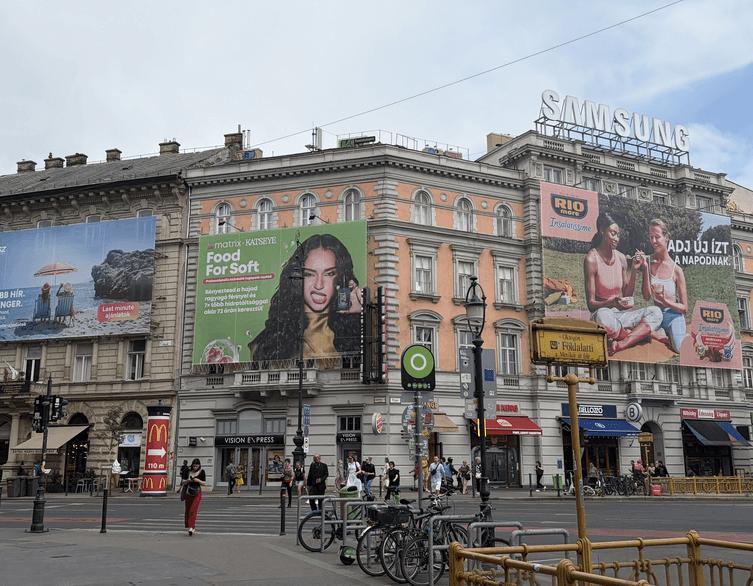
Budapest Without Giant Billboards: A New Era for the City’s Historic Beauty
A Clearer View of Budapest’s Iconic Architecture Budapest is often described as one of Europe’s most beautiful capitals, where grand historic...

Green Ways to Explore Budapest: Your Guide to Eco-Friendly Transport
Earth Day is a great reminder that protecting our planet doesn’t require grand gestures. In fact, some of the most meaningful changes start...

Budapest Spring Festival 2026 – The City’s Biggest Cultural Comeback
There are festivals, and then there is the Budapest Spring Festival. Every May, this city has a way of transforming itself — concert halls fill...
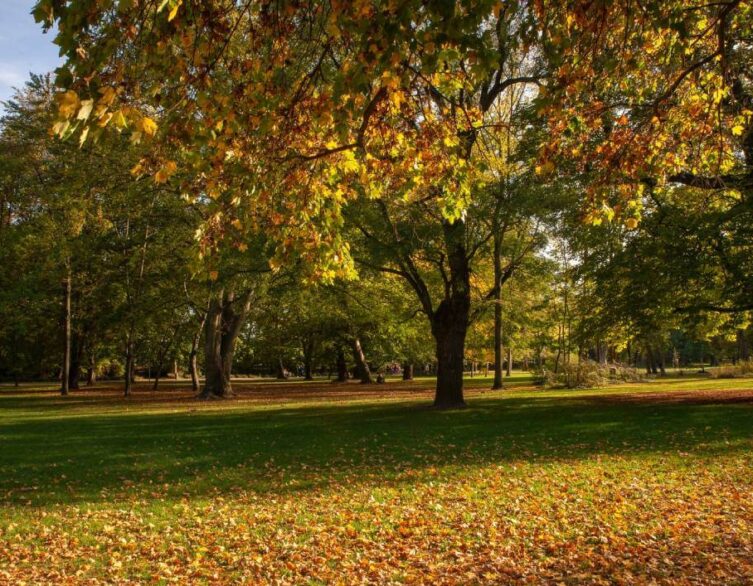
Enjoy A Walk In Budapest This Autumn
Hey there, fellow Budapestians and visitors! Are you looking for some exciting and budget-friendly activities to make the most of this gorgeous autumn...
Budapest is Among the Most Beautiful and Walkable Cities In the World
Hey there! Have you heard the exciting news? Budapest, the stunning capital of Hungary, has been named one of the most beautiful and walkable cities...
Related attractions
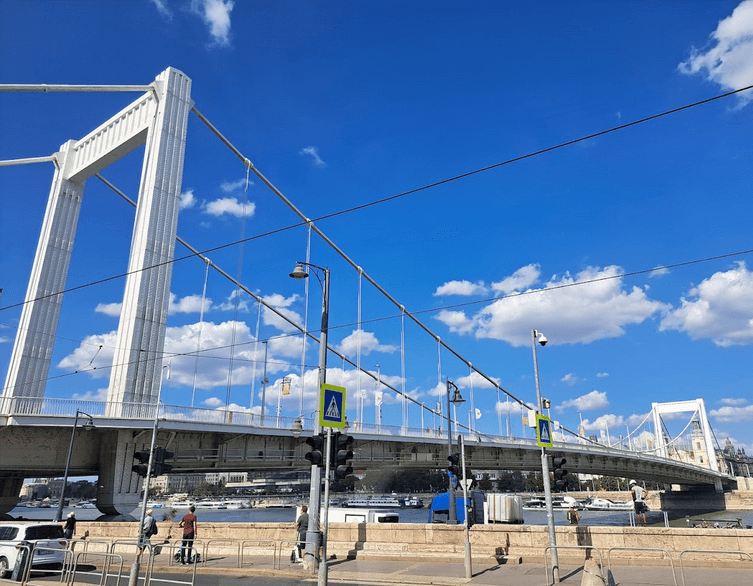
The Bridges of Budapest: A Complete Guide to the Danube’s Most Beautiful Crossings
Budapest’s bridges are far more than mere transportation links – they are the city’s crown jewels, each telling a unique story of engineering...
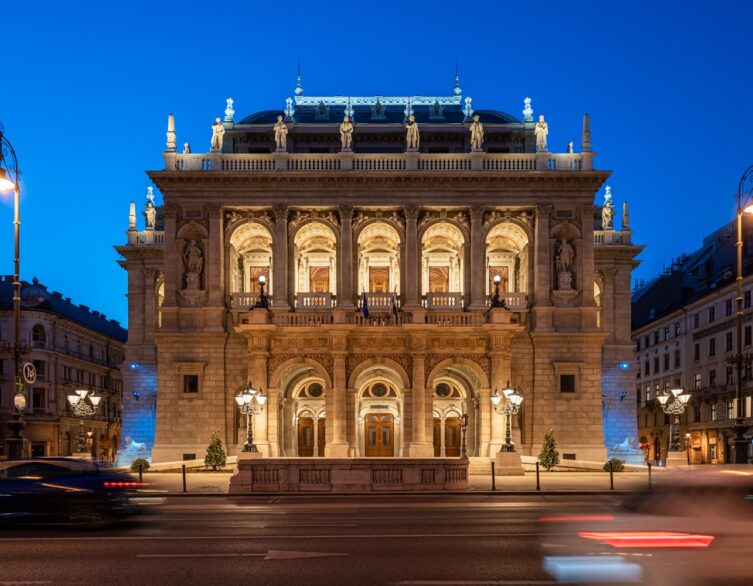
The Hungarian State Opera House: A Cultural Gem in the Heart of Budapest
The Hungarian State Opera House, located on the iconic Andrássy Avenue in central Budapest, is a magnificent neo-Renaissance building that has been...
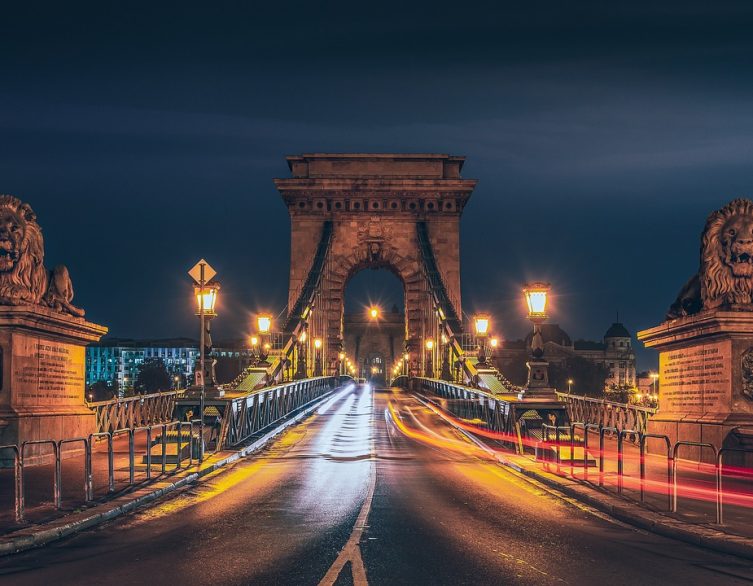
The Iconic Chain Bridge: An Engineering Marvel Connecting Buda and Pest
One of the most famous landmarks in Budapest is the majestic Széchenyi Chain Bridge spanning the Danube River, connecting the historic cities of...
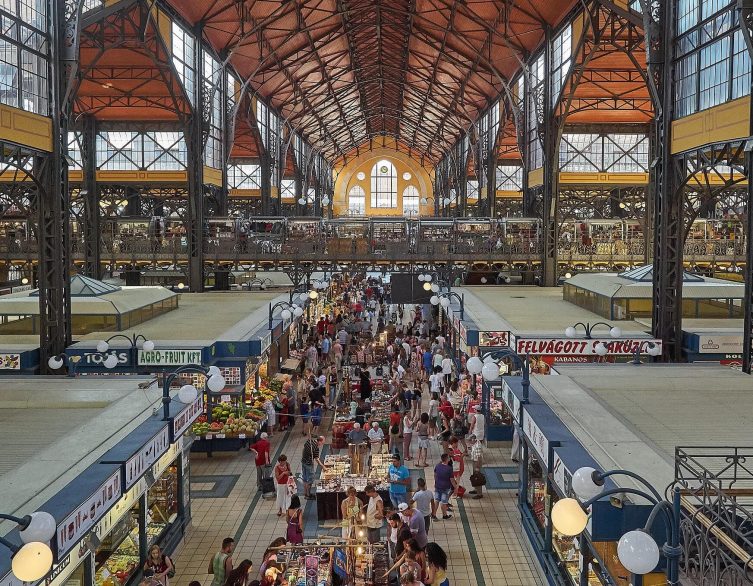
Central Market Hall Budapest: a culinary and cultural treasure
The Central Market Hall, also known as the Great Market Hall or Nagycsarnok, is a historic landmark and a must-visit destination for tourists in...
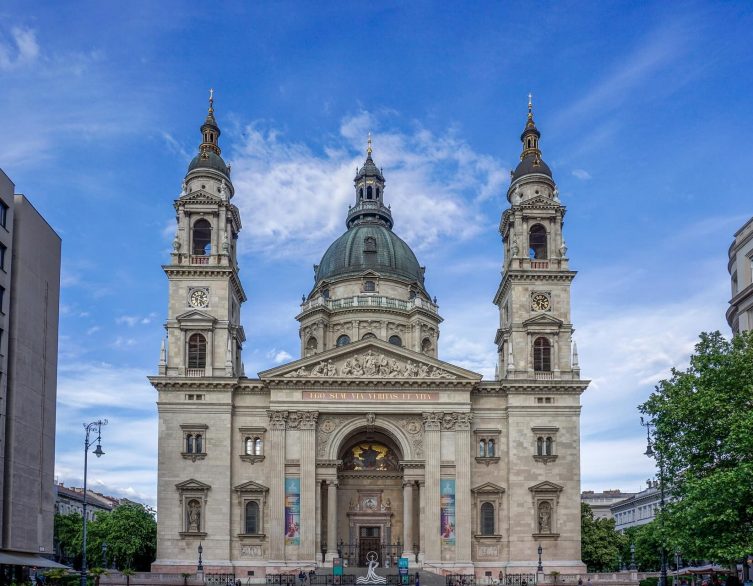
St. Stephen’s Basilica Budapest (Szent István Bazilika) Hungary
Largest church in Hungary Whether you seek spiritual enlightenment, cultural enrichment, or simply a glimpse into Hungary’s past, invites you...
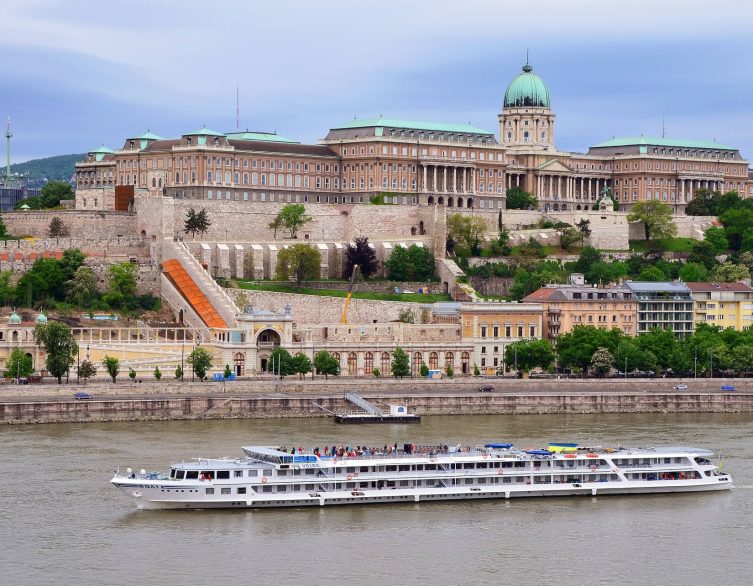
Buda Castle: A timeless icon of Hungarian history in Budapest
Nestled on the western bank of the majestic Danube River in Budapest, Hungary, lies a place that resonates with centuries of history, culture, and...