Dedicated Ones: Hungarian Women Artists at the Hungarian National Gallery
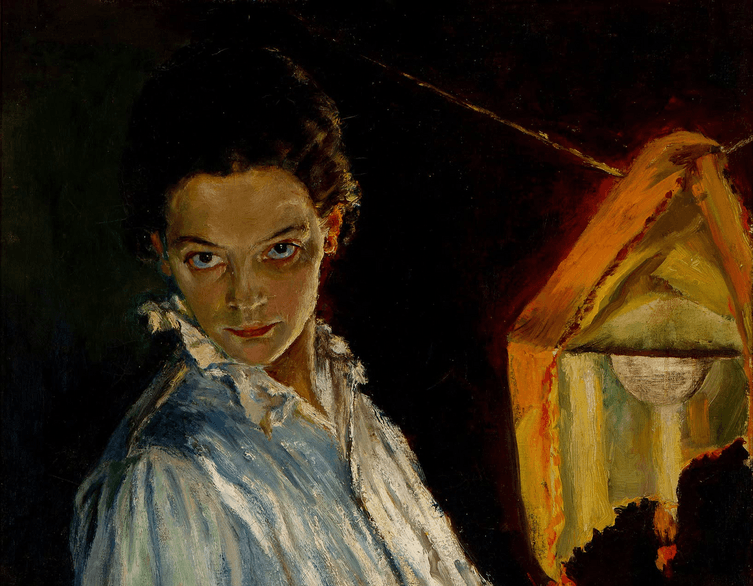
A major exhibition at the Hungarian National Gallery puts Hungarian women artists firmly in the spotlight. Dedicated Ones: Hungarian Women Artists in the First Half of the Twentieth Century brings together more than 130 works by 60 artists, exploring their creativity, determination and efforts to claim a place in an art world long dominated by men.
On view from October 21, 2026, to February 14, 2027, the exhibition introduces internationally recognised names alongside artists whose achievements have gradually faded from public memory. For visitors looking to explore Hungarian art beyond its most familiar figures, it offers a compelling place to start.
Essential Exhibition Details
- Exhibition: Dedicated Ones: Hungarian Women Artists in the First Half of the Twentieth Century.
- Dates: October 21, 2026 – February 14, 2027.
- Venue: Hungarian National Gallery, ground-floor temporary exhibition space.
- What to expect: More than 130 works by 60 artists, featuring art created between 1900 and 1950.
- Entry: Tickets are valid for a specific date and a one-hour arrival window, which does not limit the length of your visit.
- Included with admission: Access to the permanent exhibitions and halls open on the same day.
- Ticket conditions: Purchased tickets are non-refundable and cannot be exchanged for another date or time. Reservations are not available.
- Before visiting: Check the museum’s current opening hours and visitor rules.
A Landmark Exhibition of Hungarian Women Artists
Although interest in Hungarian women artists has grown in recent years, Dedicated Ones marks the first time a Hungarian museum has presented such a large-scale selection examining their work from so many perspectives.
The exhibition combines chronological and thematic sections, guiding visitors through works created between 1900 and 1950. Interiors, nudes, portraits, mothers with children and cityscapes reveal a range of artistic approaches while opening up questions about identity, opportunity and visibility.
You don’t need a background in Hungarian art to connect with the exhibition. At its heart is a relatable story: talented individuals pursuing their ambitions despite the expectations and restrictions placed upon them.
Claiming Space in the Art World
At the end of the nineteenth century, the prevailing belief was that serious artistic achievement belonged to men. Women who made art were often dismissed as amateurs, with prejudice reinforced by arguments that claimed to have a scientific basis.
By the turn of the twentieth century, well-trained women artists were increasingly participating in Hungary’s artists’ colonies, exhibitions and artistic groups. Yet taking part did not mean having a say in how the art world was run. Institutional barriers remained, and the association between artistic genius and masculinity proved difficult to dislodge.
Dedicated Ones follows the ways these artists began to change that situation. Its central theme is the claiming of space, both literally and symbolically: moving beyond the home into public life, mastering genres and techniques previously considered unsuitable for women, and expressing an independent artistic identity.
Celebrated Artists and Overlooked Careers
The selection includes works by Margit Anna, Valéria Dénes, Noémi Ferenczy, Ilka Gedő, Margit Gráber, Erzsébet Korb, Elza Kövesházi Kalmár, Anna Lesznai, Erzsébet Schaár, Piroska Szántó and Júlia Vajda. Visitors can also discover artists associated with the lesser-known New Eight group.
Best deals of Budapest






An international dimension comes through the work of Anna Beöthy-Steiner, Jolán Gross-Bettelheim, Anton Prinner and Judit Reigl, who sought artistic fulfilment abroad and went on to gain international recognition.
Just as importantly, the exhibition revisits careers that were recognised in their own time but later pushed into the background. Artists including Ilona Baranyai, Rózsi Bacher, Mária Barta, Alice Endresz, Lenke Földes and Magda Zemplényi form part of this broader effort to restore overlooked contributions to the history of Hungarian art.
Portraits, Identity and Different Ways of Seeing
Portraiture provides a particularly engaging way into the exhibition’s themes. Featured works include Anna Éber’s Self-Portrait from around 1929, Anna Bartoniek’s Self-Portrait from 1931, and Edit Basch’s portrait of Amrita Sher-Gil from around 1930.
These works sit within a wider exploration of how artists represented themselves, other people and the spaces around them. Across domestic scenes, city views and depictions of the human figure, the exhibition draws attention to perspectives that differ from those of their male contemporaries.
Rather than treating the artists as a single, uniform group, the selection gives visitors room to discover their individual voices and the different paths they followed.
Make Time for a Longer Gallery Visit
The timed-entry system gives you an arrival window rather than a one-hour viewing limit, so there’s no need to rush through the exhibition. Since admission also includes the permanent exhibitions and halls open that day, you can make Dedicated Ones part of a longer visit to the Hungarian National Gallery.
Presented as part of the Liszt Festival International Cultural Festival, the exhibition is curated by Dr Anna Kopócsy, a lecturer at Pázmány Péter Catholic University’s Department of Art History, and Zsófia Drienyovszki, an art historian at the Museum of Fine Arts – Hungarian National Gallery.
For an autumn or winter museum visit in Budapest, it offers the chance to discover remarkable works while learning about the determination it took to create them and bring them into public view.
Related attractions
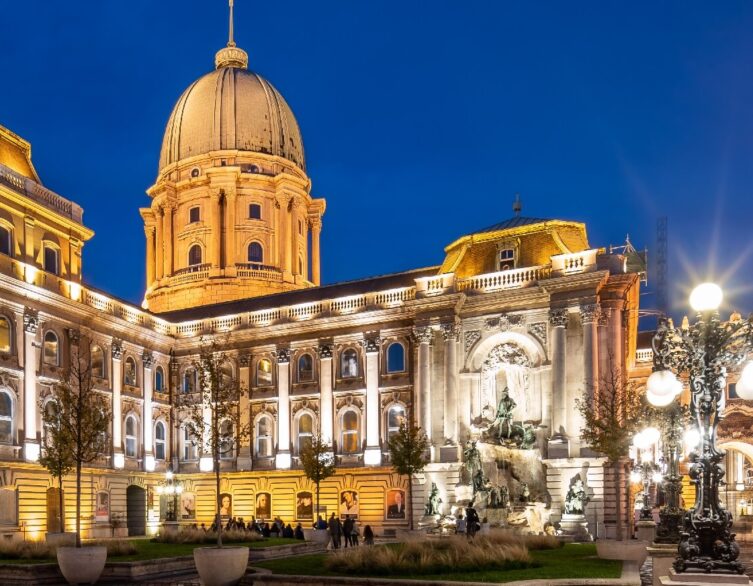
The Hungarian National Gallery in Budapest
Nestled within the historic Buda Castle in Budapest, the Hungarian National Gallery is a treasure trove of Hungarian art, showcasing the country’s...
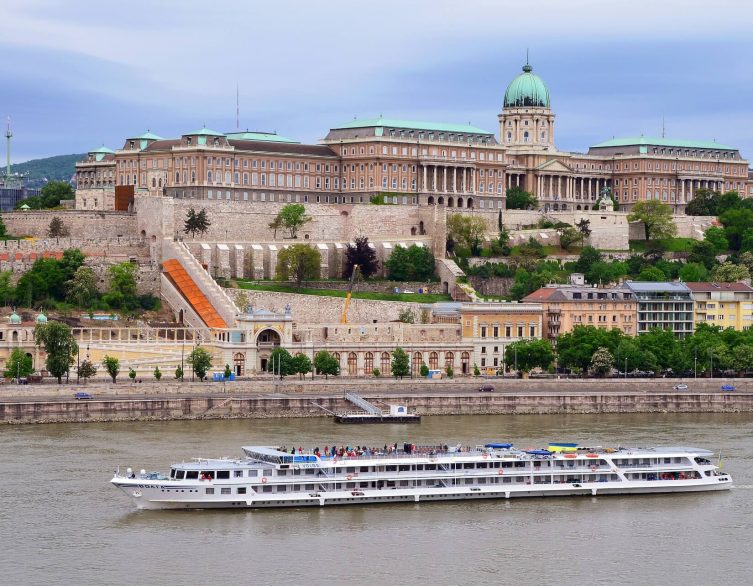
Buda Castle: A timeless icon of Hungarian history in Budapest
Nestled on the western bank of the majestic Danube River in Budapest, Hungary, lies a place that resonates with centuries of history, culture, and...