What’s On: Korea Days – 7th KoreaON, Margaret Island
A Festival Where Korea Meets Budapest
Korea Days – 7th KoreaON is one of those events that tells you a lot about what young people care about in 2026. For one June weekend, Budapest’s Margaret Island turns into a mini‑Seoul: K‑pop booming from the Hyundai Stage, the smell of Korean street food in the air, e‑sports screens glowing, and groups of teens and twenty‑somethings filming content for their socials. All of this happens at Kristály Venue, the now‑traditional home of this ever‑evolving festival.
The event is free to enter, which already makes it accessible to students and young travelers on a budget. But its real draw is how it brings together everything that made Korean culture a global youth phenomenon: music, fashion, beauty, food, gaming and digital storytelling, all in one compact, walkable space.
Why Young People Love KoreaON
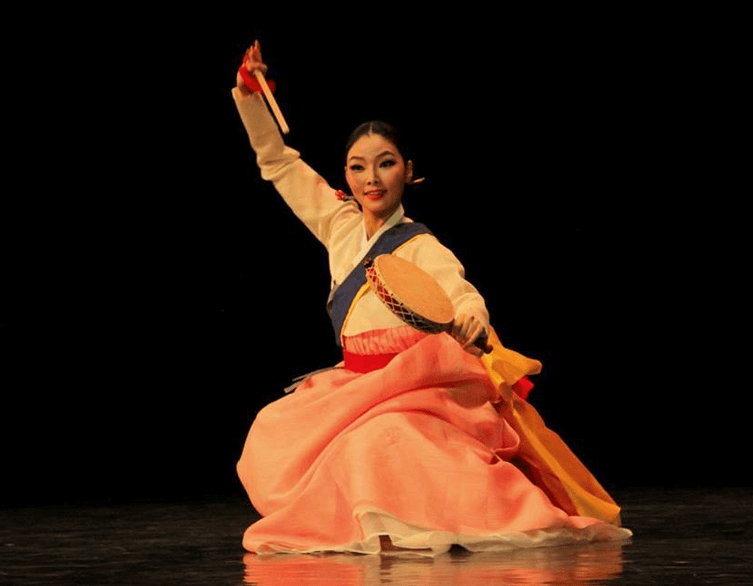
Younger visitors rarely see culture as something separated into “high art” and “pop”. At KoreaON, that blended mindset is the default. You can watch a traditional masked performance by Kkokdu‑gwangdae, then immediately catch a K‑pop dance cover, a taekwondo demo or a crossover musical piece by Dongseo University’s Mutation troupe. It feels natural to move from folk instruments to a K‑pop DJ party, because for this generation, playlists are already that diverse.
The festival also taps into participatory culture. Instead of just seeing idols on a screen, you can join K‑pop dance workshops, learn parts of choreography, and record your own videos. Instead of only scrolling past photos of glowing Korean skin, you can step into the Beauty and Health Zone, talk to experts and actually try products. Instead of only watching gamers stream, you can sit down in the playful zone with e‑sports and baduk, or meet members of the Hungarian e‑sports scene in person. That shift from watching to doing is exactly what makes the festival so attractive.
Culture You Can Touch, Taste and Wear
Korea Days makes Korean culture feel physical and immediate. In the Craft Zone, the “Take the experience home” motto becomes literal: you create your own Korean‑inspired keepsakes, often combining Korean paper art or motifs with Hungarian materials like ceramics or hand‑made paper. It is an ideal space for creative young people who enjoy DIY and want a souvenir that is more meaningful than a mass‑produced keyring.
Gastronomy plays a similar role. Many visitors know kimchi, tteokbokki or Korean fried chicken from dramas, mukbang videos or short clips, but have never tasted them in real life. At the outdoor food area, fusion dishes and snacks connect well‑known Korean flavors with Hungarian seasonal ingredients. When global kimchi ambassador Kim Taeyeon demonstrates summer kimchi made with local vegetables, you can literally taste how two food cultures meet.
Influencers, Identity and Digital Storytelling
KoreaON understands that a huge part of youth culture today is built around online creators. That is why Korean influencers like Jelita Soo and Edmmer appear not as distant celebrities, but as approachable guests who bring their areas of expertise—beauty, fashion, lifestyle, street food—straight to the stage and the audience.
Younger visitors recognize them from YouTube, Instagram or TikTok, and seeing them live gives a sense of validation: the niche interests that once felt “online only” suddenly have a physical space and a real‑life community. Add to this the constant presence of phones and cameras, the chance to take hanbok photos, film dance covers or record funny moments with friends, and you get exactly the kind of “shareable” cultural experience that resonates with today’s youth.
A Bridge Between Generations and Cultures
Beyond the fun, Korea Days has a deeper cultural significance. It is a space where Korean traditions are not put behind glass, but placed next to contemporary trends in a way that feels fresh. It also acts as a bridge: Hungarian and international visitors of all ages watch, listen, taste and talk together, often guided by younger family members who already “speak” the language of K‑pop and K‑culture.
For tourists, this festival is a shortcut to understanding what energizes the younger generation in Budapest and far beyond. For locals, it is a yearly reminder that culture can be dynamic, playful and deeply global—without losing its roots.
Related events