Budapest’s Nostalgia Tram and Bus Schedules This September
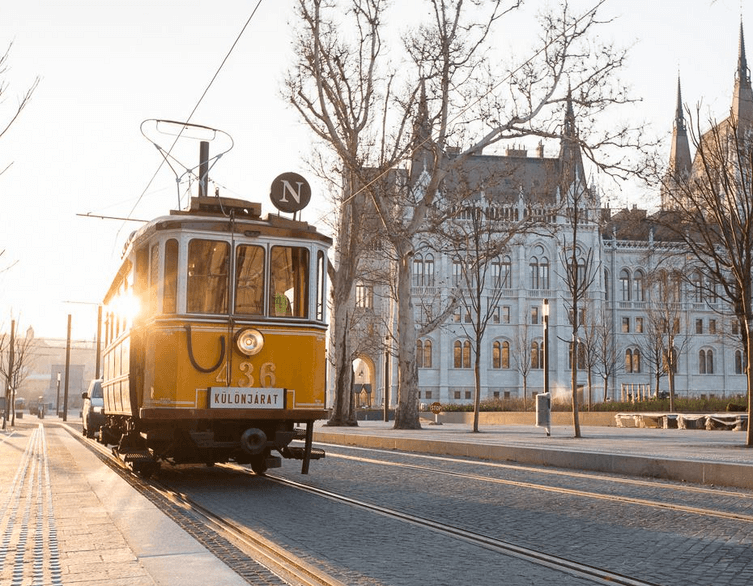
If there’s one experience that captures Budapest’s soul quite unlike anything else, it’s climbing aboard a century-old tram and gliding along the Danube exactly as locals did generations ago. From late April through October, every single weekend, the city turns part of its public transport network into a rolling open-air museum, and it’s one of the most charming, affordable, and genuinely photogenic things a visitor can do while in town.
A Living Piece of Transport History
Budapest’s modern transport story stretches back more than a hundred years, and remarkably, many of the vehicles that once carried locals through their daily lives have survived. Since 2010, BKK, Budapest’s transport authority, has partnered with BKV, the city’s public transport operator, to run these lovingly restored trams, buses, and trolleybuses as part of a scheduled heritage program every summer season. Alongside the true vintage icons, you’ll also spot retro vehicles on the streets, meaning models that are no longer in daily service, or only appear very rarely, giving transport enthusiasts and curious tourists alike a rare glimpse into the city’s past.
What It Costs and How to Buy Tickets
Heritage lines run on their own special pricing rather than the standard fare system. A single nostalgia line ticket costs 600 forints and covers one ride, while a nostalgia day pass costs 2,400 forints and lets you hop on and off every heritage vehicle running that particular day, which is fantastic value if you’re planning to chain together a few different routes. Children up to age 14 travel completely free, and Hungarian schoolchildren simply need to show their student ID to the crew.
Buying tickets couldn’t be more straightforward for a visiting tourist. You can purchase them directly in the BudapestGO app, at any BKK customer service center or ticket office, or straight from the conductor on board, who now also accepts card payments, so there’s no need to fumble with cash or worry about language barriers. One useful distinction to keep in mind is that the true retro vehicles, the ones that occasionally reappear on ordinary routes, are covered by your normal public transport ticket or pass, so you don’t need a separate nostalgia ticket for those.
Best deals of Budapest









The Star of the Show: Tram Line N2
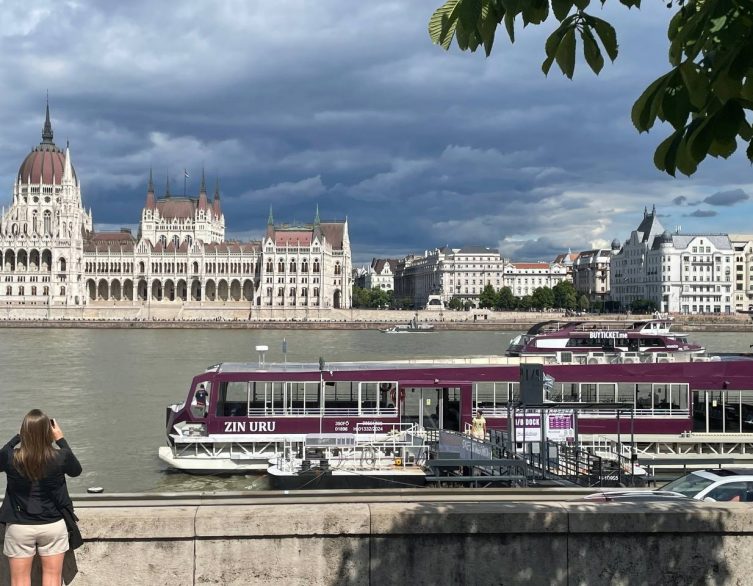
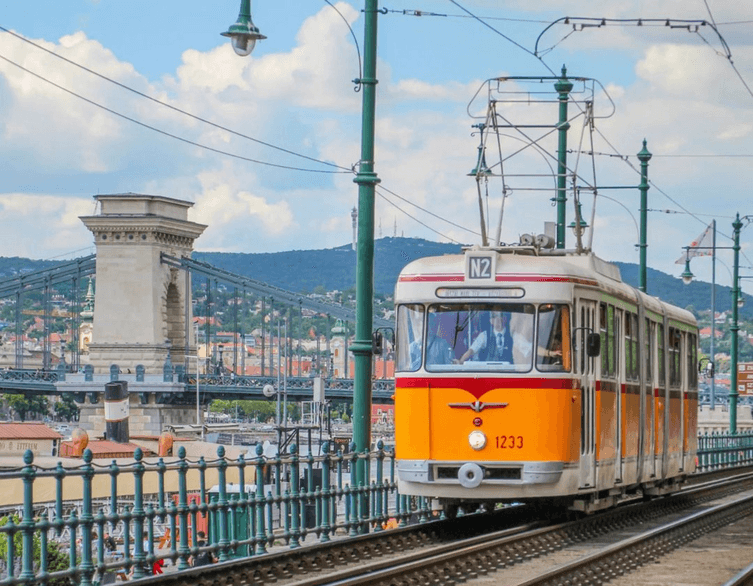
If you only try one heritage route during your stay, make it the N2. This tram line has repeatedly been ranked among the ten most beautiful tram routes in the entire world, and once you’re riding it along the Pest embankment of the Danube, it’s easy to see why. The route glides past the neo-Gothic grandeur of the Hungarian Parliament Building, offers postcard views of the Buda Castle district and Gellért Hill across the river, and passes beneath some of the city’s most iconic bridges. The vehicles themselves rotate through the season and include genuine antiques like the wooden-framed 611 tram, the steel-framed 2624, the 1939-built 1522, and the distinctively named “Bengáli” tram, so lucky visitors might catch a slightly different piece of history depending on which weekend they ride.
Exploring Buda’s Riverfront on the N18 and N19
For those staying on the Buda side or keen to see a different angle of the city, the N18 and N19 heritage trams are well worth seeking out. The N18 winds its way from Szent János Hospital through Széll Kálmán Square, Krisztina Boulevard, and Szent Gellért Square, threading past the shady trees of Városmajor Park before opening onto a stunning Danube-side stretch that continues all the way to Csóka Street in Kelenföld. The N19, meanwhile, traces the unmatched panorama of the Buda riverbank, passing grand historic buildings, famous thermal baths, covered market halls, bridges, and leafy parks along the way. Riders on this route can also pop into the Little Underground Railway Museum at Deák Ferenc Square or check out the Buda Castle Funicular near Clark Ádám Square, both easy add-ons to an already scenic ride.
Vintage Buses and a Retro Cable Car Ride
Trams aren’t the only way to experience Budapest’s transport heritage. The N109 heritage bus route takes passengers along the Bem Quay for spectacular views of the Parliament Building and the Danube promenade, then continues onto Bajcsy-Zsilinszky Road through some of downtown’s liveliest streets. On sunny days, an open-top cabrio bus sometimes runs this exact route, letting you feel the breeze while soaking in the skyline. Meanwhile, the N4 heritage bus crosses the city from Zugló all the way to the Buda hills, stopping near landmarks like the Budapest Zoo, Heroes’ Square, the Hungarian State Opera House, and the Chain Bridge before terminating at the Zugliget Chairlift, from which the summit of János Hill is just a short ride away. The N4 typically runs every Sunday from late May through the end of September, aboard genuinely iconic Ikarus buses that once formed the backbone of the city’s fleet.
Planning Your Ride This September
Heritage services run right through the fall, so if you’re visiting Budapest in September, there’s still plenty to catch. Weekends throughout the month feature a rotating cast of vintage trams on the N2, wooden and steel-framed classics on lines like N18 and N56, retro Ikarus buses on N4, and even a rare vintage trolleybus appearance on select Sundays. Some Fridays even bring out a green Vienna-style rack-and-pinion nostalgia trailer on route N60, a real curiosity for anyone interested in transport history. Because exact vehicles and days shift slightly from week to week, it’s worth checking the current schedule on BKK’s official website or in the BudapestGO app shortly before you plan your ride, so you know exactly which historic vehicle you’ll be climbing aboard.
Why It’s Worth Your Time
Beyond the novelty factor, riding one of Budapest’s nostalgia lines is simply one of the most relaxed, low-cost ways to sightsee in the city. Instead of rushing between landmarks, you get to sit back on a creaky leather seat, hear the old-fashioned bell clang as the doors close, and watch the Danube, the bridges, and the castle district drift past at an unhurried pace. It’s an experience that appeals equally to design lovers, history buffs, families traveling with children, and anyone who simply wants a memorable, budget-friendly afternoon that feels entirely different from the average city tour.
Related news
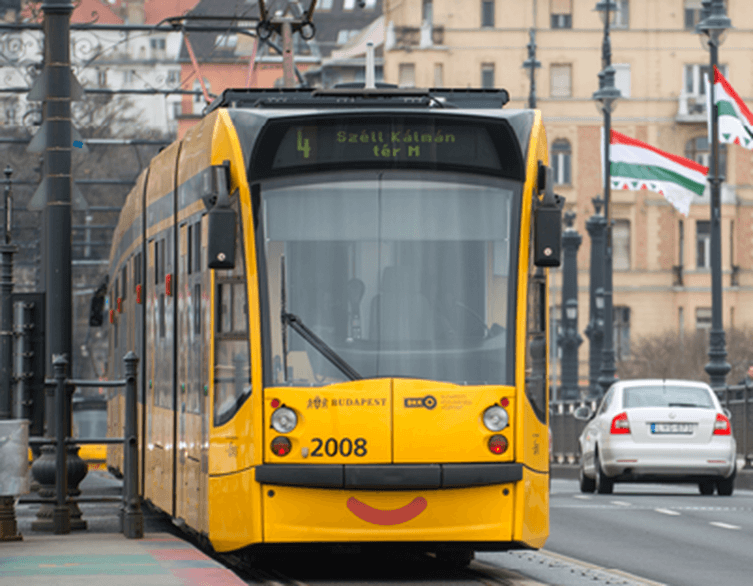
Budapest’s Iconic Tram 4-6 Is Getting a Facelift: What Visitors Need to Know
If you’re planning a trip to Budapest between late September and late November 2026, there’s an important change to your city transport...

Summer’s Grip on Budapest Is About to Loosen: What Visitors Should Know About Next Week’s Cooling Trend
If you’ve been soaking up Budapest’s late summer sunshine and wondering whether to pack that light jacket, now’s a good time to...
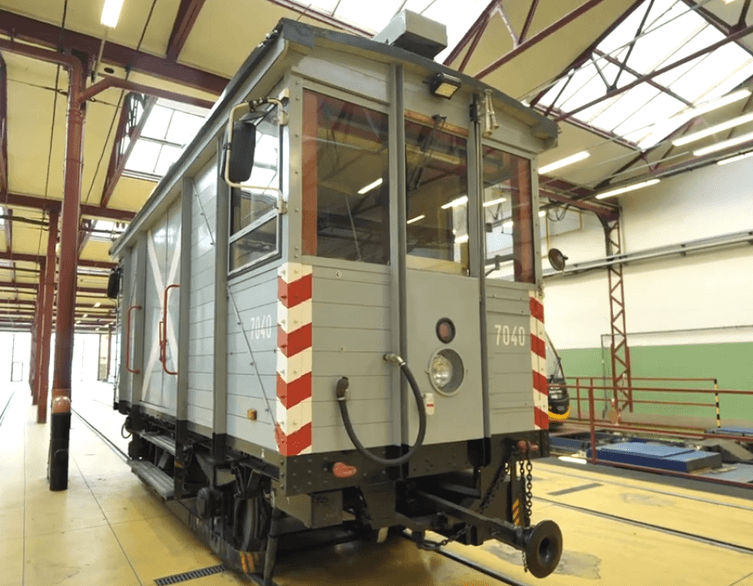
Meet the Muki: Budapest’s 100-Year-Old Freight Trams That Just Went Viral
Budapest is famous for many things — its thermal baths, grand architecture, ruin bars, and the Danube views that stop you in your tracks. But tucked...
Budapest’s Giant Caterpillar Turns 20: The Remarkable Story of the Combino Tram
If you’ve ever ridden the iconic tram lines 4 or 6 along Budapest’s Grand Boulevard, you’ve almost certainly found yourself inside...
The 4/6 Tram: Budapest’s Yellow Heartbeat on Rails
If you’ve spent more than a day in Budapest, you’ve already seen it — the bright yellow trams gliding down the Grand Boulevard, filled with...
Budapest’s Iconic Tram Network: A Scenic and Convenient Way to Get Around
When it comes to exploring Budapest, there’s no better way to see the city than by hopping on one of its iconic trams. With over 40 tram lines,...