Free Entry Tomorrow: Discover Ottoman-Era Budapest at the Castle Museum in Buda Castle
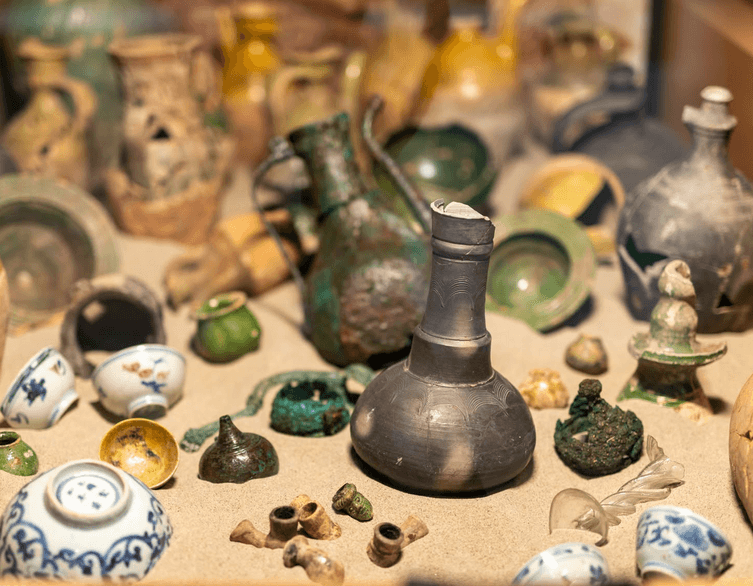
Tomorrow, 17 November, the Budapest History Museum’s Castle Museum in Buda Castle is free to visit as part of Budapest’s birthday celebrations. It’s the perfect moment to see A City on the Front Line – Buda and Pest under Ottoman Rule, 1526–1686, a temporary exhibition running until 18 April 2027.
Celebrate Budapest’s Birthday for Free
Budapest is celebrating its birthday, and the museum is joining in. On 17 November the doors are open to everyone, with no ticket needed. If you’re in the city this week, you can start the day with a walk up Castle Hill and then spend a few hours in the Royal Palace, one of the grandest settings for a museum anywhere in Europe. It’s worth arriving early, since free days tend to draw a crowd.
A City Between Two Empires
The exhibition marks the 500th anniversary of the Battle of Mohács and the first Ottoman occupation of Buda in 1526. It helps to keep two dates apart. After the defeat at Mohács, Sultan Suleiman’s forces took Buda and set it on fire. They left a few weeks later. Lasting Ottoman rule began only in 1541 and ended with the recapture of Buda in 1686.
Between those dates, the former royal seat became a key battleground between the Habsburg and Ottoman empires. Fortifications mattered more and more, and some of the defences still shape the look of Buda Castle today. The exhibition doesn’t stop at sieges, though. It’s just as curious about how people lived inside the walls.
Mosques, Baths and Busy Markets
It’s easy to picture Ottoman Buda as nothing but soldiers and cannons, but the new rulers also brought new institutions and ways of life. Mosques and tombs appeared, along with Islamic schools and inns for travelling merchants. Bathhouses were built, and so was the first permanent link between Buda and Pest, a bridge of boats. If you’ve ever soaked in one of Budapest’s thermal baths, you’ve experienced a tradition that grew strongly during this era.
The old and the new often lived side by side. Newcomers kept using the stoves they found in Buda’s houses, and the homes of the period held Hungarian, Balkan and Ottoman objects together. Markets were busy too. Goods came from Hungarian towns, the Balkans and Istanbul, and archaeologists have even found objects from China and Vietnam.
What You’ll See Inside
The core of the show is the Budapest History Museum’s own archaeological collection, including many finds that have spent years in storage. Loans from other museums fill in the picture. Display cases hold pottery, tiles, baking dishes, weapons, sword hilts, silver spoons, charters and period images. Some tools connected to counterfeiting show the less law-abiding side of everyday life, while human remains show the direct marks of wartime violence.
Best deals of Budapest









Two highlights come from the story of Buda’s Ottoman rulers. One is a group of finds from the former palace of the pashas, uncovered during the renovation of the Carmelite Monastery. The other is the grave goods of the last pasha of Buda.
Siege Scenes Brought to Life
Short films made with historical re-enactors show Ottoman clothing and how it was worn. The finale is the siege of 1686. A detailed engraving by Giovanni Domenico Fontana is animated, so soldiers move, cannons fire and horses appear in the battle scene. You can also see a contemporary report from The London Gazette, which shows how closely the fight for Buda was followed across Europe.
The ending isn’t only a victory story. The siege caused heavy destruction and broke the community that had been developing in the city. Buda was rebuilt in the following decades with a new population.
Visiting With Family
The exhibition comes with a free, playful booklet that helps visitors find their way through the themes, and it gives younger guests something to hold on to. If you’re bringing children, remember that the war theme includes finds with human remains and traces of injuries.
Practical Information
The exhibition is in the Castle Museum, Building E of the Royal Palace, at 2 St George’s Square, Budapest 1014. It’s open every day from 10:00 to 18:00, with last admission and ticket office closing at 17:30. The museum is closed on 24, 25 and 26 December. On 31 December it’s open from 10:00 to 14:00, and on 1 January 2027 from 12:00 to 18:00. Opening hours can differ on holidays, so check before you go.
The exhibition was curated by archaeologist Dr Adrienn Papp and historian Dr Balázs Sudár, and designed by Lajos Czeglédi.
A walk through Buda Castle is much richer once you know who lived behind its walls. With free entry tomorrow, you have a good reason to go and find out.
Related events