The ARC Poster Exhibition Brings Its Boldest Edition Yet to Budapest
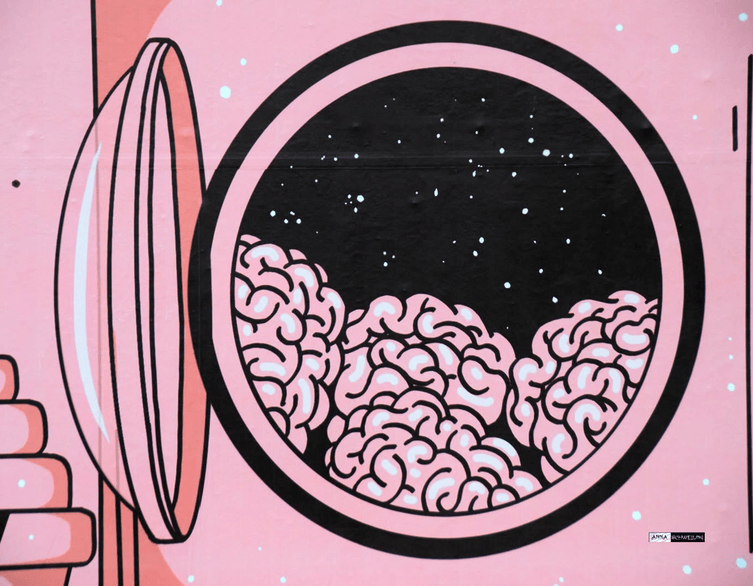
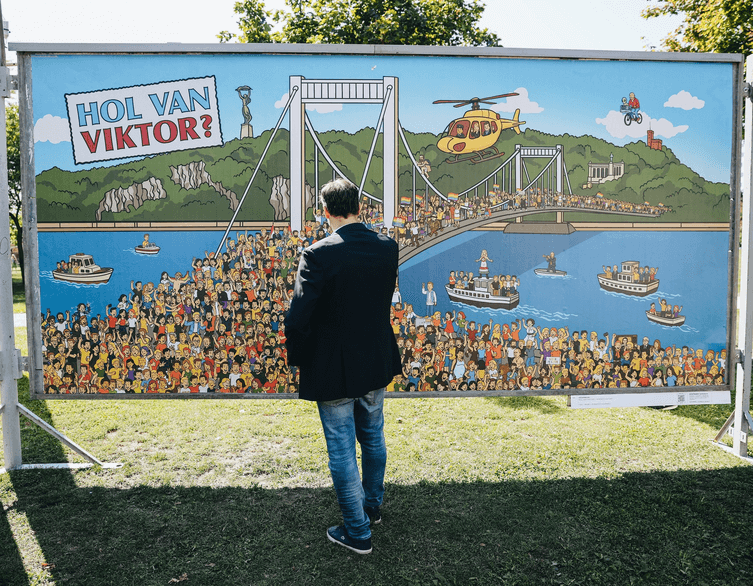
If you happen to be strolling near the Buda side of Petőfi Bridge this autumn, don’t be surprised to find yourself surrounded by dozens of giant, thought-provoking posters lining an open-air parking lot. This is the 26th edition of the ARC Exhibition, Hungary’s most visited public art event, and it’s running now through October 18, completely free and open around the clock.
What Exactly Is the ARC Exhibition
ARC has been a fixture of Budapest’s cultural calendar since 2000, when a group of young graphic designers and socially engaged organizers decided to turn giant billboard formats, normally reserved for advertising, into a canvas for public opinion instead. Anyone can submit a poster, on any topic, with no restrictions on style or message, and every year a jury selects the strongest entries for public display. This year alone drew 920 submissions from artists and amateurs alike, and ninety of them made the final cut. Over the past quarter century, ARC has grown into something bigger than an art show: it’s a barometer of what’s on the Hungarian public’s mind, cited in the press, discussed on social media, and quoted long after the posters come down. It has earned its reputation as the most visited open-air exhibition in the country.
This Year’s Theme and Standout Work
The 2026 edition carries the title “Idegrendszerváltás,” a wordplay that roughly translates to “nervous system change” or “change of nerves,” a wry nod to the political tension many Hungarians have lived through over the past several years. Looking back at the posters now, well past the country’s spring elections, the collection reads as a kind of collective decompression, addressing not just politics but also climate change, artificial intelligence, women’s rights, and social inequality. The top prize this year went to Johanna Kügerl for her piece “Fejben dől el” (“It’s Decided in the Head”), a work that stood out among the jury for its sharp, memorable take on the exhibition’s central theme. Even with a somewhat uneven overall quality compared to past editions, several posters still manage to surprise, unsettle, or simply charm visitors walking the rows.
Best deals of Budapest








A Brand New Location This Year
For anyone who’s visited ARC before, take note: the exhibition has moved. For years, ARC called Bikás Park in the Újbuda district home, hosting its month-long outdoor display on the grass there. That changed this year out of necessity, and the show has relocated to a parking area next to Building E of the Budapest University of Technology and Economics, right at the Buda foot of Petőfi Bridge, at Goldmann György tér 3 in the 11th district. It’s a compact, gravelly lot rather than a park, and the tighter footprint means the posters feel more crowded together than in previous years. Worth knowing before you go: the loose, deep gravel surface makes the site tricky to navigate with a stroller, nearly impossible with a rolling suitcase, and completely inaccessible for wheelchair users, an unfortunate side effect of the forced venue change rather than any oversight by the organizers. Cyclists, on the other hand, can still get around just fine.
Getting There and What to Expect
The easiest way to reach the exhibition is by tram: lines 4 and 6 stop right at the Petőfi Bridge Buda bridgehead, putting you just steps from the entrance. Like every ARC exhibition before it, this one is free to enter and open non-stop, day and night, so there’s no need to plan around opening hours or buy a ticket in advance. That said, if you’re hoping to view the posters after dark, it’s worth double-checking beforehand that lighting at the new site is fully operational, since the unconventional venue faced some early setup issues with its evening illumination shortly after opening.
Whether you’re an art lover looking for something unconventional to add to your Budapest itinerary, or simply curious about the mood and concerns shaping Hungarian public life right now, the ARC Exhibition offers a rare, unfiltered look at how a city talks to itself. Bring comfortable shoes, give yourself at least half an hour to walk the full display, and don’t rush past the smaller, quieter pieces tucked between the bigger, louder statements. You have until October 18 to see it for yourself before the space returns to being just another parking lot.
Related news
Related events