Clocks Go Back in Budapest This October
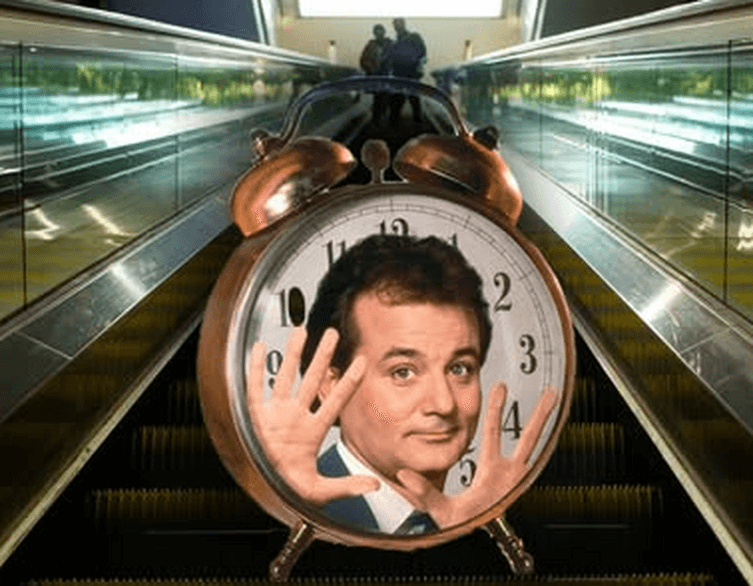
Travelers planning a Budapest trip this autumn should mark one small but important detail on their itinerary: on the night of October 25, 2026, Hungary switches from summer time back to winter time, and clocks move back one hour, from 3:00 a.m. to 2:00 a.m. It’s a minor scheduling quirk, but it can quietly affect everything from museum opening hours to your flight connections, so it’s worth understanding before you land.
What Actually Happens That Night
Like the rest of the European Union, Hungary observes the end of daylight saving time on the last Sunday of October every year, and in 2026 that falls on October 25. Under the current EU-wide rules, summer time always begins on the last Sunday of March and ends on the last Sunday of October. In Hungary specifically, clocks jump forward from 2:00 a.m. to 3:00 a.m. in spring, then fall back from 3:00 a.m. to 2:00 a.m. in autumn. In practical terms, this means the night of October 25 brings one extra hour of sleep. The upside for visitors is brighter mornings for a while afterward, since sunrise and sunset both shift an hour earlier on the clock. If you’re out enjoying Budapest’s nightlife that weekend, expect bars and venues open past midnight to essentially get a bonus hour before closing.
For anyone flying into Budapest from the United Kingdom or elsewhere in Europe, the good news is that the clock change happens on the same date across the whole EU, so there’s no confusion about time zones within Europe itself. Travelers connecting through North America should pay closer attention, though. The United States and Canada don’t switch back until a week later, on November 1, which creates a temporary one-hour gap between Budapest and cities like New York or Toronto for those seven days. Double-checking flight times and meeting schedules during that window is a smart move.
Why Europe Still Changes the Clocks
If you’ve been following the news, you might recall that the European Union has talked about scrapping the twice-yearly clock change for years now, and it’s a topic that keeps resurfacing without ever quite reaching a conclusion. Back in 2018, the European Commission first proposed ending the seasonal time switch entirely, following a public consultation in which roughly 4.6 million people took part, with 84 percent in favor of abolishing it. The European Parliament backed the idea in 2019, and for a while it genuinely looked like a done deal. But member states could never agree on which permanent time, summer or winter, each country should keep, and the deadlock dragged on for years. Eventually, in spring 2025, the European Commission withdrew its own proposal to abolish the biannual clock change altogether, effectively resetting the conversation.
Best deals of Budapest









More recently, Poland used its 2025 presidency of the Council of the EU to push the issue back onto the table, floating the idea of a two-year trial period with permanent summer time across the bloc. Rather than committing immediately, EU states asked for more data first, which led the European Commission to launch a fresh study in February 2026, examining ten different scenarios for the future of European timekeeping, with results expected by the end of the year.
The Clock-Change Calendar Through 2031
In a clear signal of how long this debate might drag on, the European Commission has now published the official dates for daylight saving time all the way through 2031. After the switch back to winter time on October 25, 2026, the coming years will follow this pattern: 2027 will see summer time begin on March 28 and end October 31, 2028 runs from March 26 to October 29, 2029 from March 25 to October 28, 2030 from March 31 to October 27, and 2031 from March 30 to October 26.
That said, this calendar is based purely on the rules currently in force, so it isn’t a guarantee that Europe will still be changing its clocks in 2031. If EU lawmakers manage to agree on new legislation before then, the twice-yearly switch could be scrapped much sooner. Many Hungarians would welcome that outcome: a 2023 survey by pollster Pulzus found that 83 percent of Hungarians would prefer to settle permanently on one time system, whether summer or winter, while only 17 percent wanted to keep switching clocks twice a year as they do now.
Why It’s More Complicated Than It Sounds
Scrapping the clock change might sound like a simple fix, but the real complication lies in coordination. Under past proposals, each EU country would be free to choose its own permanent time zone, summer or winter, and without careful alignment between neighbors, that freedom could easily create new time differences between countries that share a border. For a continent whose transport networks, supply chains, and single market depend on synchronized schedules, that’s a bigger headache than it first appears, which is exactly why the European Commission’s ongoing study also weighs the effects on energy consumption, public health, sleep patterns, and the broader economy before any final rule changes.
For now, the one certain thing on the calendar is October 25, 2026, the date Budapest and the rest of Europe set their clocks back for winter. Whether that turns out to be one of the last such changes, or simply another entry in a debate that has already run for the better part of a decade, remains genuinely uncertain, even to the EU itself.