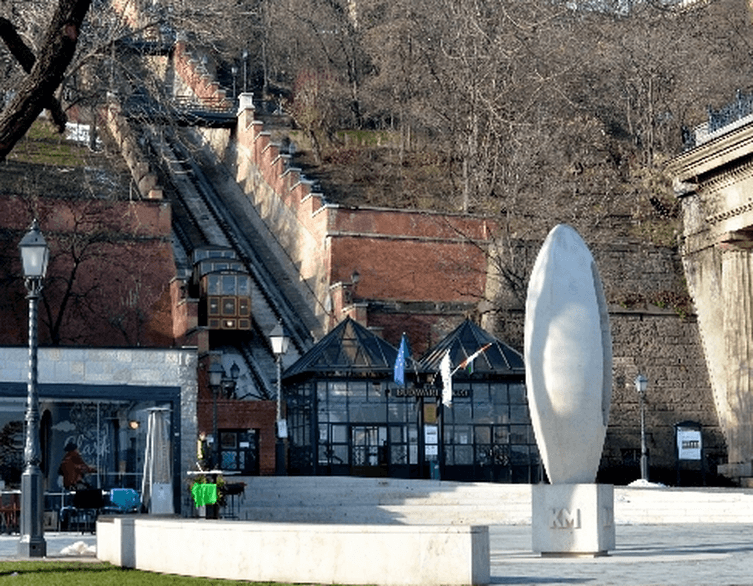
Buda Castle Funicular: Riding History Up to the Castle District
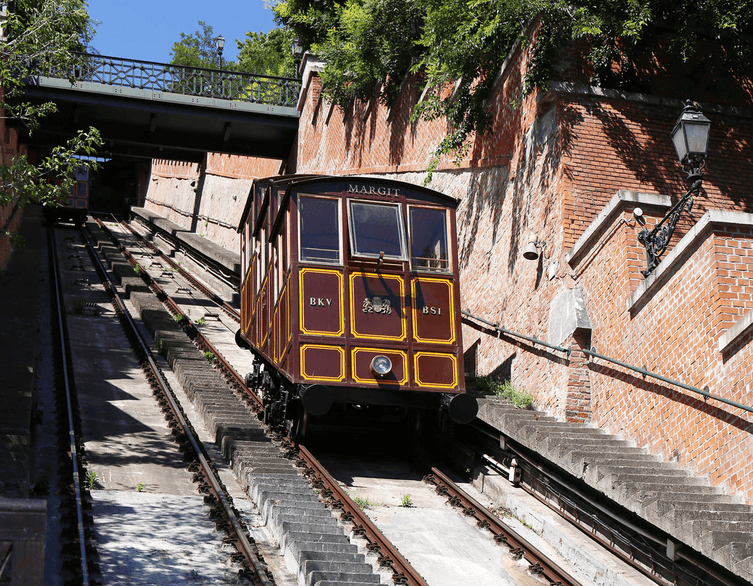
Tucked at the foot of Castle Hill, right beside the Chain Bridge, sits one of Budapest’s most charming little rides: the Buda Castle Funicular, known to locals as the Budavári Sikló. In under two minutes, this candy-striped, cliff-hugging railway hauls you up from the Danube riverbank straight into the heart of the Castle District, and the ride itself has become just as much a Budapest icon as the panorama waiting at the top.
A UNESCO Landmark That’s Older Than You’d Think
This funicular isn’t just a quaint tourist gimmick, it’s a genuine piece of engineering history. It first opened on March 2, 1870, making it the second funicular railway ever built in Europe, following only the one in Lyon, France. The idea came from Count Ödön Széchenyi, son of the famous statesman Count István Széchenyi, who wanted an easier way for Budapest’s residents to reach the government offices and castle theatre perched above the river. For decades it ran on a clever counterbalance system using two steam-powered cars nicknamed Margit and Gellért.
World War II brought that story to a temporary halt: the funicular was severely damaged by bombing in December 1944 and sat dormant for decades afterward, with various proposals, including replacing it with an escalator, floated and ultimately rejected. It wasn’t until 1986 that a full reconstruction brought it back to life with modern safety systems while preserving its 19th-century character. The following year, in 1987, the funicular earned its place on the UNESCO World Heritage List, recognized as part of the Buda Castle Quarter and the Danube riverbank ensemble. Today, at 156 years old, it still ferries around 1.5 million passengers annually up and down its compact 95-meter track, climbing roughly 50 meters in elevation in about 90 seconds.
New Discount for Hungarian Residents
If you’re traveling with Hungarian friends or family, there’s a fresh perk worth knowing about. As of this year, anyone holding a Hungarian address card can ride the funicular at a notably reduced rate. A standard one-way ticket, normally 4,500 forints, drops to 2,500 forints, while a return ticket falls from 5,500 to 3,000 forints. Children between 3 and 14 can stack an additional 50 percent discount on top of the already reduced child fare when using an address card. The catch for international visitors: this discounted rate is only available in person at the on-site ticket office, and it does require proof of Hungarian residency, so it won’t apply to most foreign tourists, but it’s a nice bit of local color to know about, and a good excuse to team up with any Budapest-based friends for the ride.
Best deals of Budapest








What Foreign Visitors Should Expect to Pay
For international tourists without a Hungarian address card, the standard fares apply: 4,500 forints for a one-way adult ticket and 5,500 forints for a round trip, with reduced pricing of 2,000 forints one-way and 3,000 forints round trip for children aged 3 to 14. Kids under three ride for free. If you’re planning to pair the funicular with a Danube sightseeing cruise, combined tickets are also available, and Budapest Card Plus holders get one free round trip included with their card. Only Hungarian forints are accepted at the ticket booth, so it’s worth having cash or a card ready in the local currency before you queue.
Maintenance Closure to Note Before You Go
Here’s a detail that could easily catch travelers off guard: the Buda Castle Funicular will be closed for scheduled maintenance from October 5 through October 16, 2026. If your Budapest trip falls within that window, you’ll need an alternative route up to Castle Hill, and honestly, there’s no shortage of good ones. A pleasant, moderately inclined staircase and footpath run alongside the funicular’s track, and various bus routes also connect the riverside to the Castle District. Outside of this specific closure, the funicular also observes a recurring maintenance pattern on Mondays of odd-numbered weeks, except when that Monday falls on a public holiday, in which case the closure shifts to the next working day. Since maintenance schedules can occasionally shift, it’s worth checking the official BKV website shortly before your visit to confirm current opening hours.
Making the Most of Your Ride
Under normal operating conditions, the funicular runs daily from 8 a.m. to 10 p.m., with the ticket office closing at 9:50 p.m., and cars depart every five to ten minutes depending on demand. The ride itself faces the Danube, so try to grab a spot by the window on the way up for sweeping views over the river, the Chain Bridge, and the Pest skyline as you climb. It’s a short ride, but a genuinely scenic one, and arriving at the top puts you right at the edge of Buda Castle, within easy walking distance of the Royal Palace, Matthias Church, and the Fisherman’s Bastion.
Given the queues that can build up during peak travel season, especially around midday, arriving early in the morning or later in the afternoon tends to mean a shorter wait and a calmer ride. Whether you’re squeezing it into a half-day Castle Hill itinerary or simply want a fun, historic way to avoid the climb on foot, riding this 156-year-old funicular remains one of the most memorable few minutes you’ll spend in Budapest.
Related news
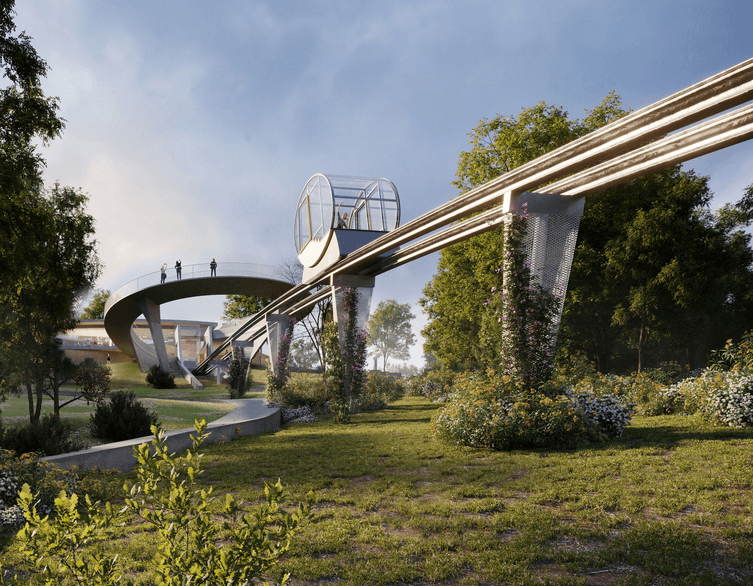
Budapest’s Citadella Is Back — and Now the City Is Dreaming of a Funicular to Reach It
After more than a decade behind scaffolding and construction fences, one of Budapest’s most iconic hilltop landmarks has finally reopened its...
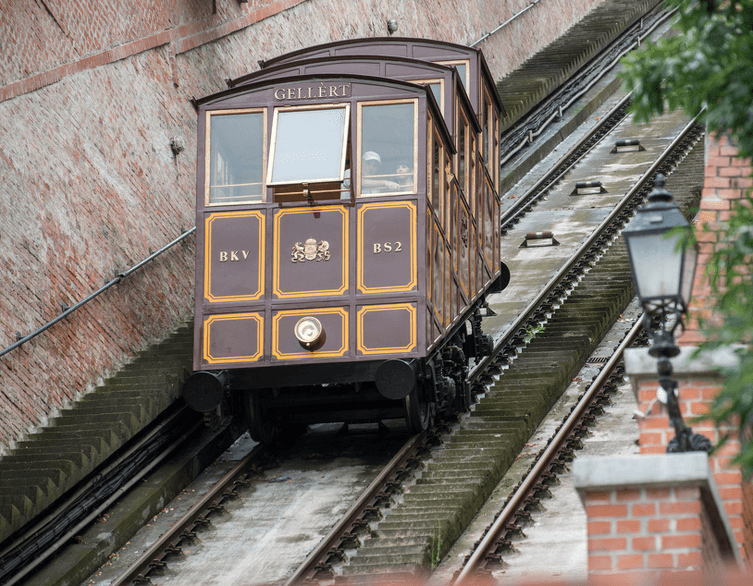
Ride the Buda Castle Funicular: Budapest’s Most Scenic Way to Reach Castle Hill
If you’re visiting Budapest and want to make the most of your time without breaking a sweat — literally — the Buda Castle Funicular (Budavári...
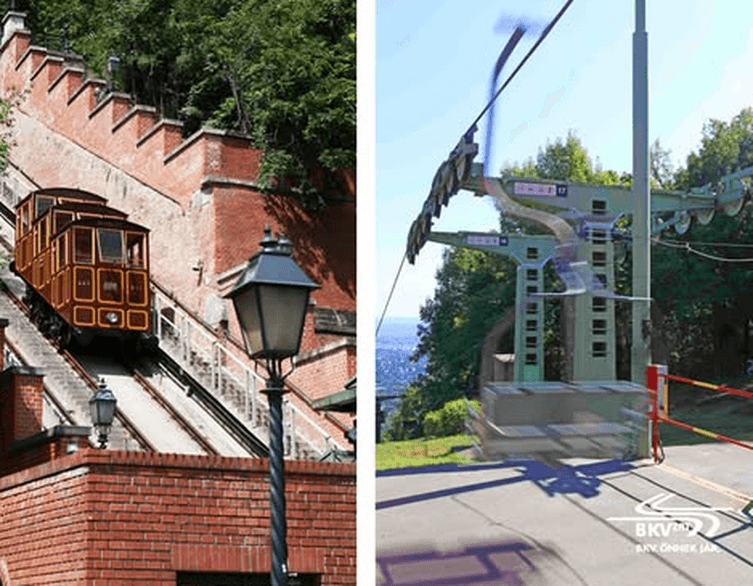
Budapest’s Iconic Cable Rides: Funicular and Chairlift Updates for 2026
From February 1, 2026, Budapest’s Buda Castle Funicular and Zugliget Chairlift introduce a more flexible ticket system with one-way options...
Related attractions